By Bill S. Mikhail
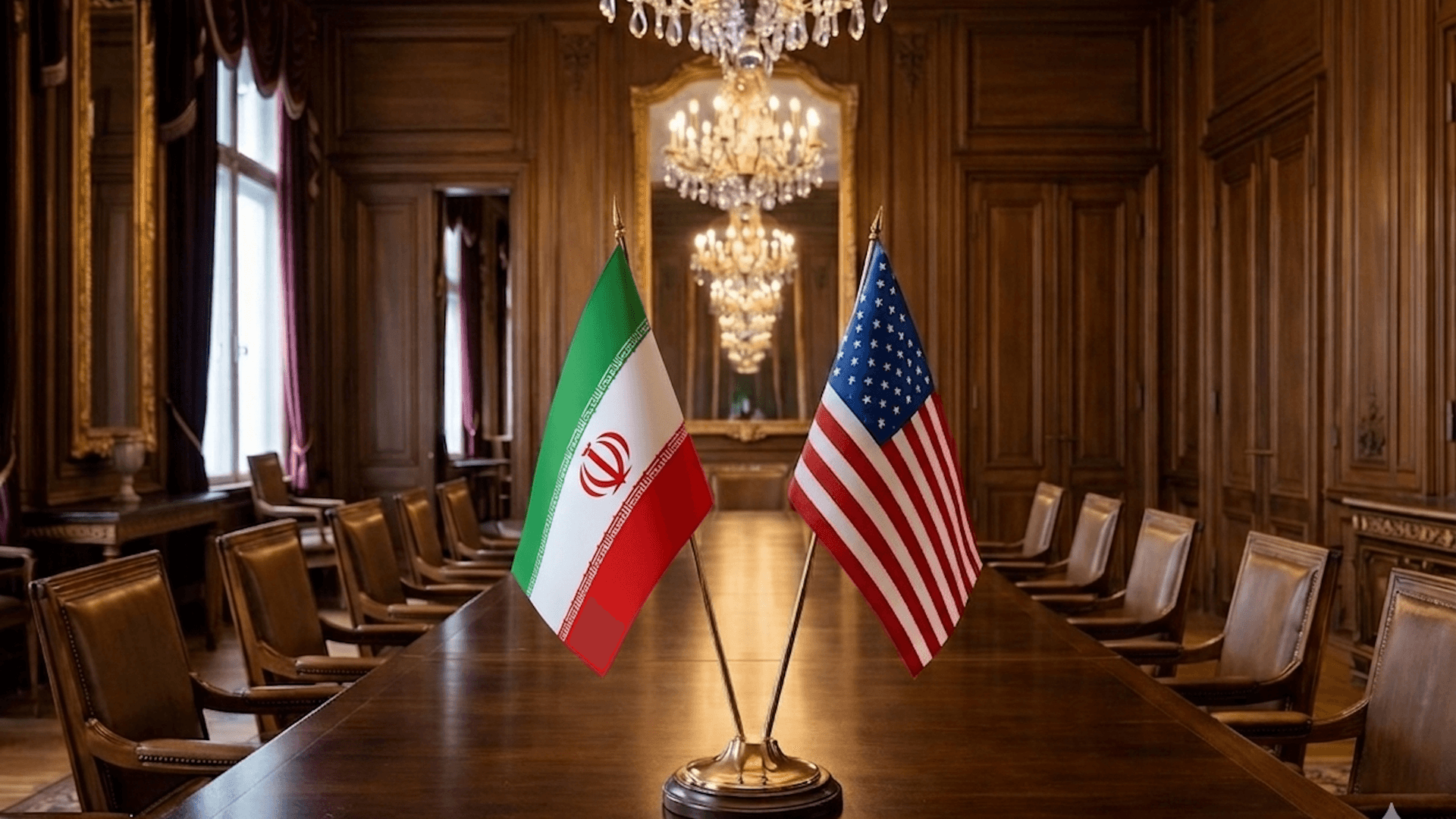
A new era of U.S.-Iranian relations has begun with the signing of the memorandum of understanding between the two countries. But, the word “new,” must be cast only when it departs from the previous phase of American-Iranian military tensions which lasted for a little over one hundred days in the winter and spring of 2026. America’s competition with Iran is continuing with varying degrees of rivalry, and by applying many political and diplomatic standards.
There are risks, perils, and opportunities in that memo. However, most of its elements support the American national interest. President Trump was able to terminate the war, and his style of diplomacy is flexible since he changes his views to render what he sees as the best options for his country. In other words, President Trump is not a war monger. He was successful in his confrontation with Iran because he established a universal strategic consensus that resulted in having both Russia and China endorse him to end the blockade of the Strait of Hormuz immediately. The Gulf War of 2026 was not Third World III.
He employs his advisers very well and there is a good division of labor among his foreign policy principals in how to handle Iran. Iran lost because it is hated by the Arab World which condemned Iran’s attacks against the Arab Gulf nations. The Arab Gulf states are stable and are stronger now than when Iran launched its missiles against them. Perhaps, the biggest strategic bonus is that Iran will not procure a nuclear weapon because Iran is monitored closely by so many countries and organizations.
That Memorandum of Understanding will never evolve to become a final peace accord since peace will never happen between Washington and Tehran. Another unwritten dimension of that agreement is the U.S. belief that force can be used against Iran when it does not abide by the agreement. While Pakistan will continue to play the role of mediator between the U.S. and Iran, this is not stipulated in the memo. Another important point is the economy of Iran. It is in shambles and Iran was motivated to sign this agreement with the U.S. to rescue its economy. Therefore, the memorandum of understanding is more a code of conduct than a formal contract between Washington and Tehran.
There is a willingness on the part of President Trump to address the American public and the world about the memorandum of understanding. On the other hand, the Government of Iran has no willingness to present that agreement for open discussion fearing that such a national dialogue could lead to the expressions of opposing views to the government. The Mullahs will display their passion for declaring a victory over the United States. One strategic point emerging from this MOU is that it makes Iran a nation state that in order to survive must not meddle in the affairs of other countries. This entails an end to Iran’s messianic missions that undermined so many regions.
The agreement is like a game to perform. Pakistan will always induce Iran to accept the American proposals. After an initial rejection and much hesitation the Iranian Government agrees to the U.S. demands. New areas of interest could be found but many difficult files will persist any improvement especially the right of Iran to enrich uranium. Many ideas to reform the state and society in Iran might develop as the negotiations go on, yet this will not be a great deal of progress to change a theocracy.
There will be many conferences and symposiums to study the process of the American-Iranian talks. Nevertheless, these academic panels will never have the authority to make peace or war between America and Iran. The fact is that President Trump has the authority to decide the future of Iran. He is focused on force as he negotiates with the Iranians. He is the first President to beef up the Carter Doctrine with real military material. The 15,000 U.S. military personnel stationed in the Arabian Gulf are willing to execute any military operations against the Islamic regime in Iran if orders are given to them.
Peace between Washington and Tehran and the potential of big American investments in Iran are inadequate, and even misleading terms. For whether the foundations of the Islamic Republic will be propelled by a short-term ceasefire or not, the memo does touch the inner heart of the question of the serious domestic troubles inside Iran. The supreme inquiry for ninety million Iranians at present is whether the time has come to secure a safe and temporary reprieve for their families from the huge errors of the regime of the Ayatollahs. The sufferings of the Iranian people seem to be increasing rather than tending to an end, and this is a problem to which the Trump Administration cannot close its eyes to, without becoming faithless to the great principles of the Declaration of Independence. The utilization of American military and economic power is still the ultimate reality in the tense and precarious relations between the United States and the Islamic Republic of Iran.