By Julia Rota
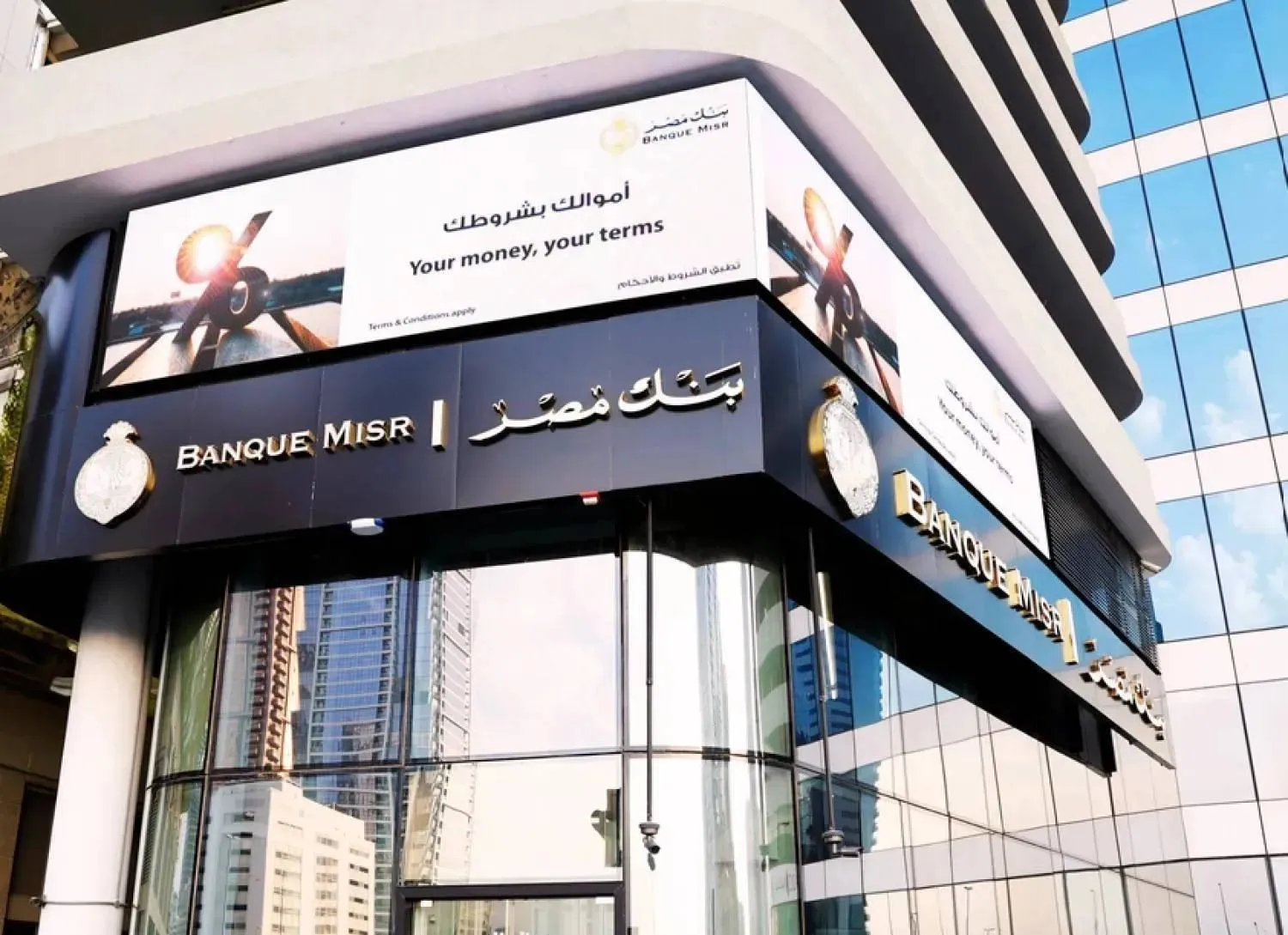
Washington does not need to sanction a country to reach the money moving inside it. That is the real story behind the U.S. move involving Banque Misr’s operations in the United Arab Emirates. The action proposed by the U.S. Financial Crimes Enforcement Network, FinCEN, is not a sanction against the UAE. It is not a sanction against Egypt. And it does not target Banque Misr globally. It focuses specifically on Banque Misr’s five branches operating in the UAE and proposes restricting their access to correspondent accounts at U.S. financial institutions, alongside enhanced due-diligence requirements. But behind the technical language lies a much bigger geopolitical message. FinCEN says Banque Misr UAE represents what it considers a “critical access point to U.S. dollars” for illicit Iranian finance. That sentence tells us almost everything. Washington is not targeting the UAE. Washington is targeting a financial node it believes Iran has been able to exploit inside the UAE.
THE UAE IS NOT THE TARGET
A bank operating in the UAE is not the UAE government. A suspicious financial transaction moving through an institution regulated in the Emirates does not automatically constitute Emirati policy. Otherwise, every major financial center — from New York and London to Singapore and Dubai — would become politically responsible for every illicit network attempting to penetrate its banking system. That is not how global finance works. The UAE has built extraordinary economic influence by becoming one of the most connected centers for trade, investment and capital in the world. But connectivity creates exposure. The same financial infrastructure that attracts legitimate international capital can also attract networks seeking to evade sanctions. The real test of a global financial center is therefore not whether someone attempts to exploit it. The test is whether the system can detect the activity, stop it and hold those responsible accountable. That context matters. In February 2024, the Financial Action Task Force removed the UAE from increased monitoring after recognizing significant progress in strengthening its anti-money-laundering and counterterrorist-financing framework. The Banque Misr case therefore should not be turned into an indictment of the UAE. It should be understood as a test of the financial system operating inside it.
IRAN DOESN’T JUST NEED MONEY. IT NEEDS A ROAD.
This is where the story becomes much bigger than one Egyptian bank or five branches in the Emirates. Iran has spent years learning how to survive financial isolation. Sanctions force Tehran to search constantly for front companies, intermediaries, trading networks, foreign currencies, financial institutions and jurisdictions capable of connecting a sanctioned economy to the international financial system. Iran does not simply need money. It needs a road for the money to travel. And modern American sanctions increasingly target that road. If Washington concludes that a bank outside the United States has become a gateway through which Iranian-linked networks can access dollars, it does not necessarily need to attack the entire jurisdiction. It can attack the gateway. That is precisely where American financial power becomes geopolitical power.
THE DOLLAR IS NOT JUST A CURRENCY. IT IS INFRASTRUCTURE.
For years, predictions about “the end of the dollar” have become fashionable. Yet cases like this demonstrate why those predictions remain premature. America’s financial power does not come simply from issuing the world’s dominant reserve currency. It comes from controlling critical parts of the infrastructure through which that currency moves. Correspondent banking matters. Dollar clearing matters. Access to American financial institutions matters. A bank may sit in Abu Dhabi or Dubai, a company may be registered elsewhere, an intermediary may operate from another jurisdiction and the ultimate beneficiary may be thousands of miles away. But if the transaction needs access to the U.S. financial system, Washington can still have a hand on the switch. America does not need to control the bank. It needs leverage over the door the bank uses to enter the dollar system. Traditional sovereignty was defined by territory and borders. Financial sovereignty is increasingly defined by control over networks, payment systems and access points.
There is also a paradox Washington should not ignore. Every time the United States weaponizes access to its financial system, it demonstrates the extraordinary power of the dollar. But every demonstration of that power gives other governments another reason to reduce their dependence on a single point of financial vulnerability. That does not mean the dollar disappears tomorrow. It means more countries will experiment with alternative payment systems, diversify reserves, expand local-currency settlements and build financial channels designed to reduce their exposure to U.S. jurisdiction. They are not necessarily searching for a replacement for the dollar. They are searching for a way around the chokepoint.
THE UAE FACES A TEST — NOT AN INDICTMENT
For the UAE, the strategic challenge is clear. It must remain what has made it successful: open, connected, global and attractive to international capital. But openness cannot become vulnerability. The answer is not to close the market. It is stronger compliance, better identification of beneficial ownership, aggressive enforcement against institutions that violate the rules and continued cooperation with international partners. Banque Misr faces a different test. If Washington’s proposal becomes final, the bank will need to demonstrate that its compliance architecture can prevent its channels from being exploited by illicit financial networks.
Iran faces the largest challenge of all. Every time Washington closes one financial node, Tehran will search for another. Every time one route disappears, another will be tested. This is what modern financial warfare increasingly looks like: one network closing the roads while another tries to rebuild them.
That is why the Banque Misr case should not be reduced to a misleading headline about sanctions on the UAE or an American confrontation with Egypt. The real story is much larger. It is about who controls the gateways of global finance. Washington has once again demonstrated that it does not need to own a foreign bank, control a foreign government or physically operate inside another country’s financial system to exercise power over the movement of money. Sometimes it only needs control over the door.
Those who own the money may possess the wealth. But those who control the road the money must travel possess the power.