By Tumwesigye Anslem
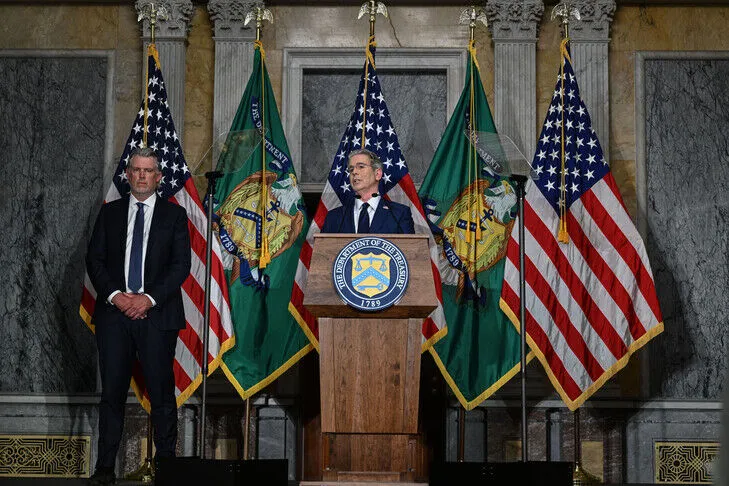
Washington has opened a new front against Iran. This time, the weapon is not a bomber or a missile—it is the U.S. dollar and access to the global financial system. Treasury Secretary Scott Bessent has unveiled “Operation Economic Outcast,” a sweeping Trump administration campaign designed to isolate Tehran economically and force governments, banks and companies around the world to choose between doing business with Iran and maintaining access to the American financial system. This is bigger than another sanctions package. It represents an attempt to change the economics of dealing with Iran altogether.
From Maximum Pressure to Economic Isolation
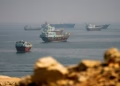
The campaign targets nearly 60 Iran-linked individuals, entities and vessels connected to nuclear, missile, cyber and oil networks. But its real power lies beyond the Iranian entities themselves. The pressure extends to international brokerage networks, financial intermediaries and shadow-fleet operations linked to China, Hong Kong, the UAE, Singapore, Switzerland and Europe. Sectors including shipping, technology, aviation, gold and digital assets could also face secondary sanctions. The message is deliberately simple: help Tehran evade American pressure, and you could jeopardize your own access to the U.S. financial system. A foreign bank does not have to agree with Trump’s Iran policy to fear losing dollar access. A shipping company does not have to support Washington politically to understand the consequences of American sanctions.
China Is the Real Test
The most consequential target is not necessarily Iran itself. It is the international infrastructure that allows Iran to continue trading—and especially its relationship with China. China remains a critical buyer of Iranian oil. If Washington aggressively targets the financial institutions, refiners, traders and shipping networks facilitating that commerce, Tehran could find its most important economic escape route increasingly expensive and dangerous. Trump’s strategy is therefore moving from sanctioning Iran to sanctioning the ecosystem that keeps Iran alive.
Economic Deterrence After Military Pressure
The timing is equally important. The Trump administration is presenting the economic offensive as the next stage of a broader confrontation in which Iran’s military and nuclear capabilities have already come under enormous pressure. Now Washington is turning toward the regime’s financial arteries. Iran can rebuild installations, replace commanders and reorganize military units. But rebuilding an international financial network becomes far more difficult when banks, governments, insurers, shipping companies and commodity traders fear becoming targets themselves. This is where American economic power becomes strategic power.
The Barrack Question
The harder policy toward Tehran also raises questions about discipline inside the administration. Laura Loomer reported, citing an unnamed source, that Ambassador Tom Barrack is facing internal criticism and that discussions have taken place about potentially recalling him amid concerns over his approach to regional policy and Turkey-Israel tensions. Those claims remain unconfirmed, and no official recall has been announced. Yet the controversy highlights a larger issue: a strategy built around maximum pressure requires a clear and unified American message. Washington cannot demand that allies choose sides while sending contradictory signals about its own regional priorities.
Trump’s Message Goes Beyond Tehran
Operation Economic Outcast ultimately represents something larger than sanctions. Washington is telling Tehran that its remaining economic lifelines are now targets. But it is simultaneously sending another message to the world: If you finance Iran, move its oil, hide its transactions or help it circumvent sanctions, the cost may no longer fall only on Tehran. It may fall on you. That is the strategic evolution in Trump’s Iran policy. Military power attacks Iran’s capabilities. Operation Economic Outcast attacks its ability to survive economically—and the international network willing to keep it alive.