By Sally Goldman
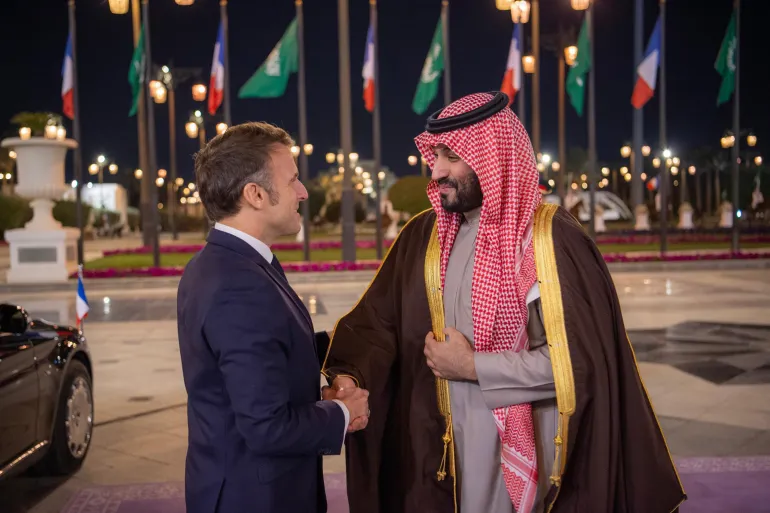
Saudi Crown Prince Mohammed bin Salman’s visit to Paris on August 23–24 should not be measured by ceremony alone. It comes at a moment when the Middle East is being reshaped by war, energy insecurity and a rapidly changing balance of power.
The central question is no longer simply what Riyadh and Paris will sign. It is what they intend to build together for the day after the regional crisis.
President Emmanuel Macron and Crown Prince Mohammed bin Salman are convening the first Saudi-French Strategic Partnership Council, moving the relationship beyond political dialogue toward a more institutional strategic partnership.
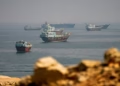
Energy is at the heart of that transformation. The crisis surrounding Iran and the Strait of Hormuz has demonstrated that Gulf security and European energy security can no longer be separated. The strategic question is therefore changing: not only how to protect Hormuz, but how to reduce the ability of any single maritime chokepoint to hold the global economy hostage.
This is one reason Paris increasingly needs Riyadh.
Saudi Arabia today is far more than an energy supplier, defense customer or source of capital. It combines financial power, geographic position, regional influence and an expanding ability to communicate with competing international actors. France brings something different: a permanent seat on the UN Security Council, military capabilities, influence inside Europe and longstanding political networks across the Middle East.
This is becoming an exchange of strategic leverage rather than simply an exchange of commercial interests.
The economic dimension of the visit reinforces that point. A Saudi-French investment roundtable has brought together senior officials and business leaders, while major investment agreements demonstrate that Saudi capital is increasingly becoming part of France’s own economic calculations.
The relationship is also changing in defense. Riyadh no longer wants merely to purchase weapons. Under Vision 2030, it increasingly seeks technology transfer, localization, training, maintenance and domestic industrial capacity.
The relevant question is therefore no longer: What can France sell Saudi Arabia? It is: What can France build with Saudi Arabia?
That same logic extends to technology, transportation, entertainment and investment. Saudi Arabia has choices, and international companies increasingly have to compete not merely for Saudi contracts but for a place inside the Kingdom’s economic transformation.
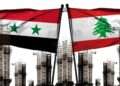
Yet the biggest test remains geopolitical. Iran, Lebanon, Syria, Gaza, the Red Sea and the future of a two-state solution are all part of the Saudi-French conversation. Riyadh does not want to wait until the current crisis ends to discover what the next Middle East will look like. It wants to be inside the room where that future is negotiated.
France faces a similar challenge. Paris does not want Europe to arrive after other powers have already written the rules of the post-crisis regional order.
This explains the deeper significance of Mohammed bin Salman’s visit. Saudi Arabia is not looking for an alternative to Washington. It is building a broader network of strategic relationships that gives Riyadh greater room to maneuver while maintaining its essential partnership with the United States.
France, meanwhile, is seeking to preserve European influence in a region where economic power, energy corridors and security partnerships are being rapidly redefined.
Saudi Arabia did not come to Paris looking for a place in Europe. It arrived at a moment when Europe itself increasingly needs Riyadh.
The agreements signed in Paris may measure the success of this visit. But the real measure will be whether Saudi Arabia and France can turn their relationship into a durable network of energy, defense, investment and diplomatic power capable of influencing what comes next in the Middle East.