The Capitol Institute
In a rare cross-party gathering that included Lebanese voices, Israeli lawmakers convened today for the fourth conference of the Knesset Caucus for the Advancement of Regional Security. Titled “Lebanon: Between a Security Challenge and a Diplomatic Opportunity,” the event highlighted a mix of cautious optimism for peace and firm calls for robust security measures, set against the backdrop of an emerging U.S.-Iran agreement.
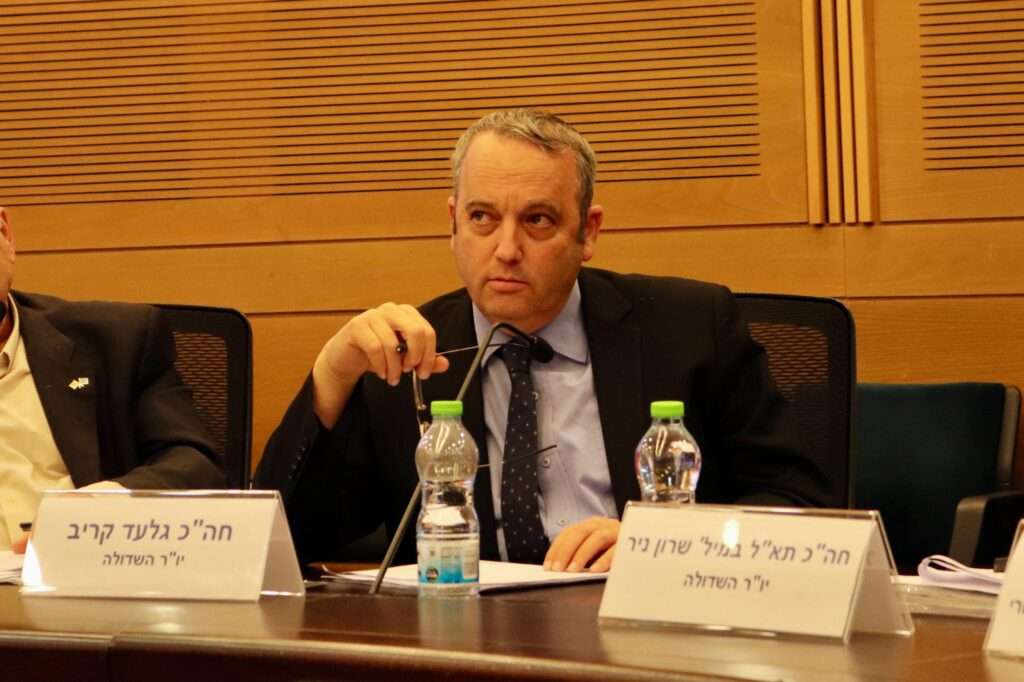
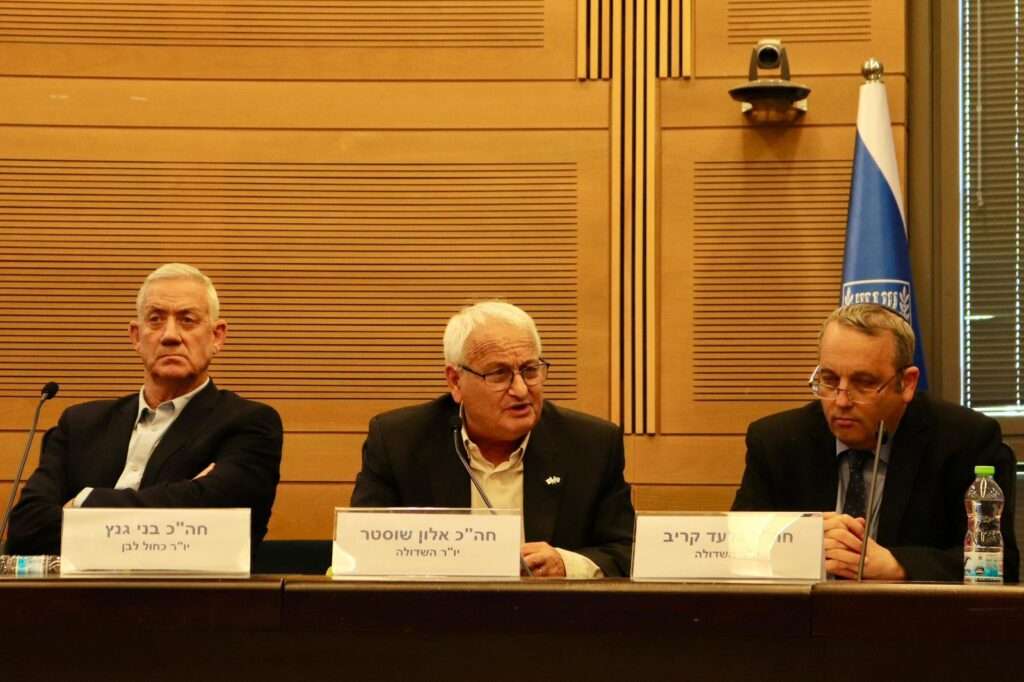
The caucus, co-chaired by MKs Gilad Kariv (The Democrats), Ram Ben-Barak(Yesh Atid/Together), Alon Schuster(Blue and White) and Sharon Nir (Yisrael Beiteinu), brought together parliamentarians, northern Israeli officials, and notably Lebanese speakers, including via Zoom. Organizers screened segments from a recent interview with Lebanese President Joseph Aoun, who has publicly urged dialogue with Israel.
MK Gilad Kariv, caucus chairman, opened by stressing Israel’s core priority:
“All of us are here first and foremost out of a deep commitment to the security of Israel’s citizens and residents living near the conflict line. A military operation, no matter how successful, cannot replace the need to formulate a strategy that includes both a military-security component and a diplomatic component.”
Co-chair Ram Ben-Barak pointed to changes in Lebanon under President Aoun:
“The Lebanese government has undergone a real transformation… and has openly and courageously stated that it wants peace with the State of Israel. This is an opportunity we must not miss!”
Alon Schuster echoed the dual-track approach: decisive action for northern security paired with support for Lebanese sovereignty and openness to future arrangements. Sharon Nir took a harder line, insisting Israel must respond forcefully to any Hezbollah attacks without linking arenas to Iran.
Former IDF Chief of Staff and Blue and White leader Benny Gantz expressed hope for normalization with Lebanon and Syria but urged realism:
“I am not sure Lebanon is capable of delivering what it wants to happen. For a sustainable diplomatic process… we need to see that Lebanon is capable of it.”
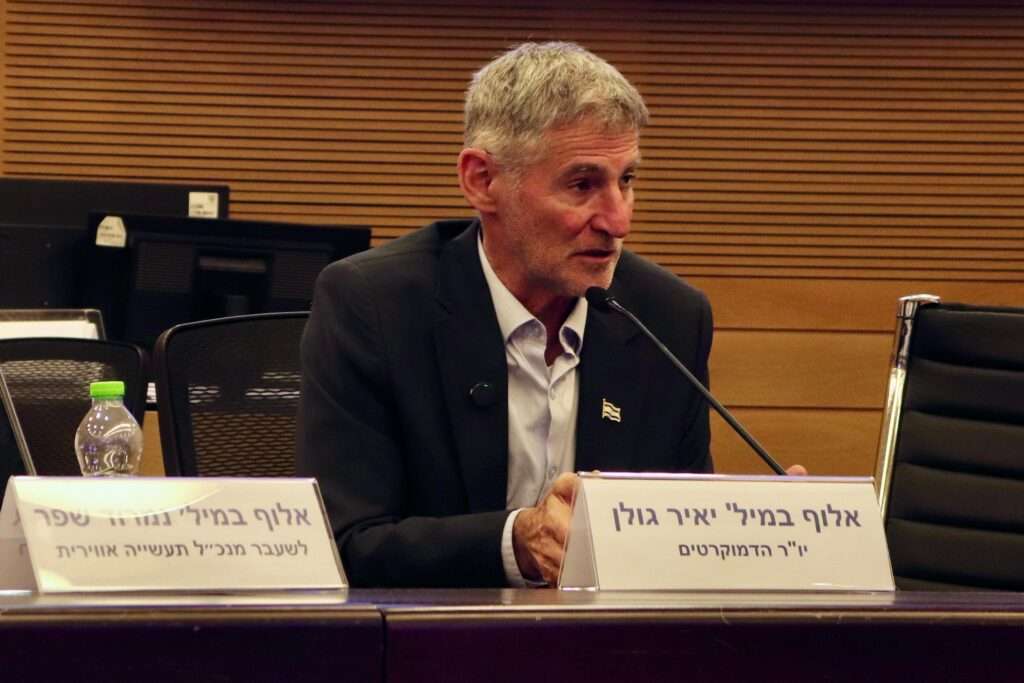
Yair Golan (The Democrats) painted a stark picture of the north: evacuated communities, Kiryat Shmona as a “ghost town,” and called for replacing the current government while turning the north into a national revival project.
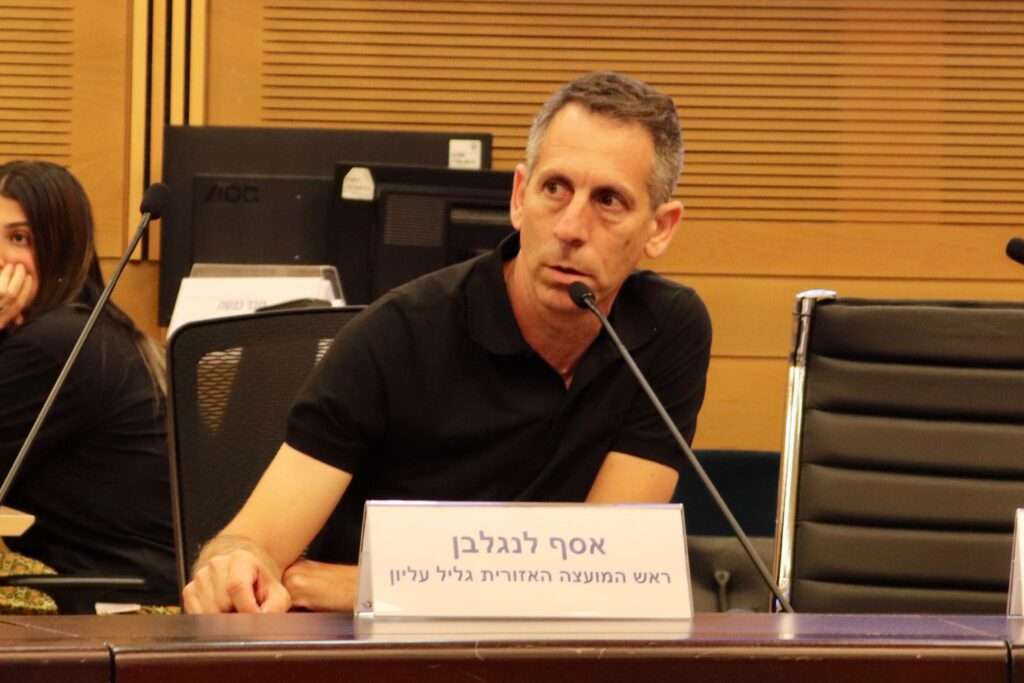
Lebanese participants added powerful, personal perspectives. Lian Polak David of the Coalition for Regional Security warned that any Iran deal could entrench Hezbollah’s influence, contrasting it with President Aoun’s recent sharp message to Iran (“Get out of my country”) and invitation to Israel (“Let’s talk”). Asaf Langleben, head of the Upper Galilee Regional Council, framed it as a choice for life:
“There is no achievement in yet another destroyed village… It requires faith and imagination.”
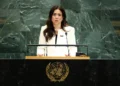
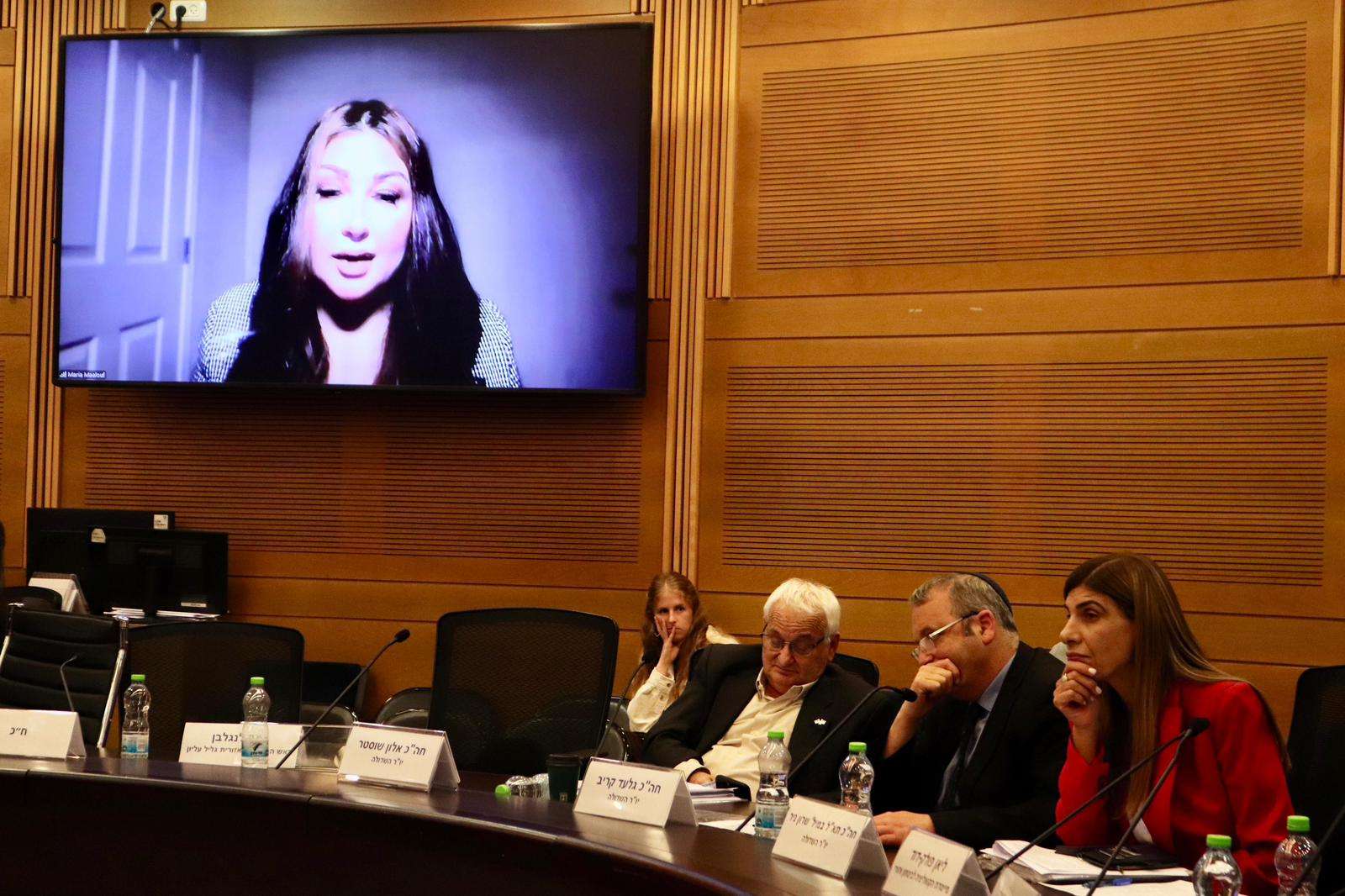
Maria Maalouf, a Lebanese journalist and media personality recently sentenced in absentia to 15 years in prison by a Lebanese military court for her criticism of Hezbollah, spoke defiantly:
“I speak on behalf of those Lebanese who feel that our country is tired of conflict… Lebanon should not be under Iranian control. It should be under one territory, one army, one sovereign state. Peace is possible.”
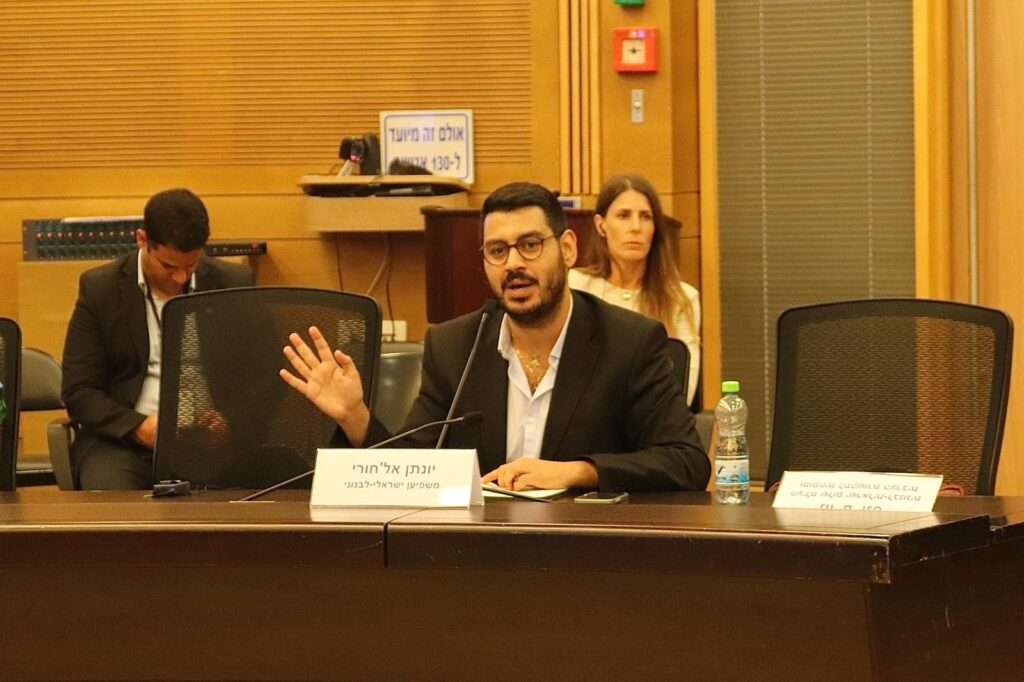
Jonathan Elkhoury, an Israeli-Lebanese activist, delivered an impassioned Arabic message from the Knesset floor to Lebanon’s leadership:
“Mr. President Joseph Aoun… accept the hand of peace extended by Israel, because this is an opportunity that may not come again.”
The conference occurs as Israel weighs military gains against Hezbollah alongside diplomatic signals from Beirut. President Aoun’s recent CNN interview underscored Lebanese exhaustion with conflict and openness to talks, though he conditioned full normalization on broader issues and ruled out a personal meeting with Israeli Prime Minister Benjamin Netanyahu before any deal.
Critics and supporters alike acknowledge deep challenges: Hezbollah’s entrenchment, Iran’s role, and Israel’s need for verifiable security arrangements. Yet speakers on both sides emphasized that endless cycles of destruction serve no one.
As one northern leader put it, true achievement lies not in more ruined villages but in building a different reality for both peoples. Whether this moment translates into tangible progress remains to be seen — but today’s Knesset discussion marked a notable step in keeping diplomatic channels visible even amid ongoing tensions.
This event underscores a recurring theme in Israeli politics: security through strength, paired with pragmatic outreach when opportunities arise. For residents of the north and southern Lebanon alike, the stakes could not be higher.