By Maria Maalouf
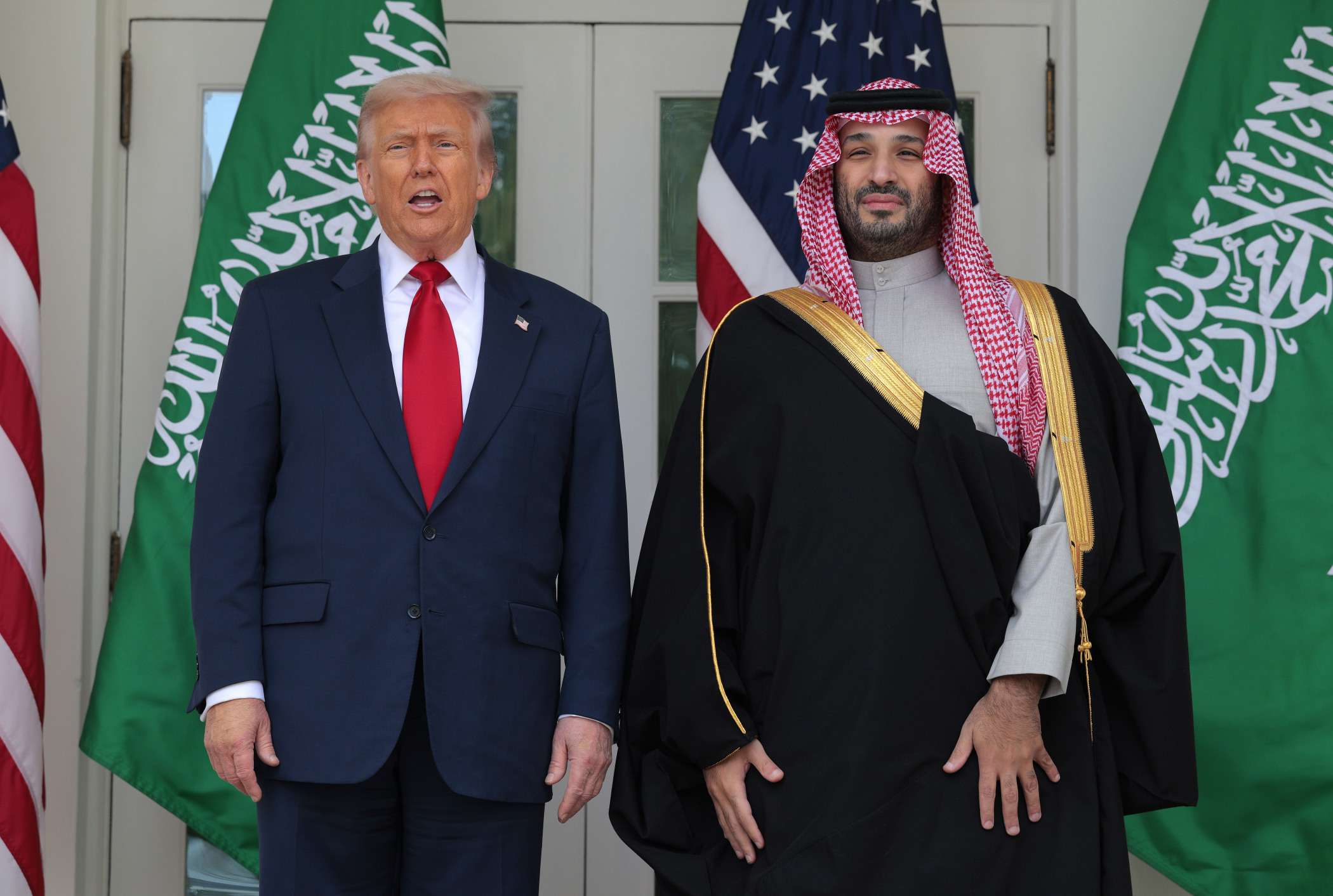
President Donald Trump has formally approved a major civilian nuclear cooperation agreement with Saudi Arabia, a deal expected to span 30 years and potentially worth tens of billions of dollars, according to reports citing U.S. officials.
The pact, which builds on earlier negotiations and a joint declaration from late 2025, positions American companies as central players in developing Saudi Arabia’s civilian nuclear infrastructure. It marks a significant step in strengthening bilateral ties while aiming to counter influence from other global powers in the region’s energy sector.
Under the deal, Saudi Arabia would gain access to U.S. support for a civilian nuclear program, including the potential construction of a uranium-enrichment facility on its soil. This would be subject to a joint U.S.-Saudi review to determine feasibility.
-U.S. Role: American firms would lead key aspects of the program, from reactor development to infrastructure, ensuring U.S. technology and standards dominate.
-Duration and Scope: The agreement is structured for 30 years and focuses on peaceful nuclear energy applications, such as power generation and desalination.
-Monitoring and Safeguards: The deal includes provisions for monitoring to help prevent diversion to military purposes, though it reportedly does not incorporate the strictest non-proliferation measures, such as the IAEA’s Additional Protocol in full. It will be submitted to Congress for review.
This is a big win for the Kingdom and U.S. industry.
Saudi Arabia has long sought nuclear capabilities for civilian use amid its Vision 2030 diversification efforts and growing energy demands. The Trump administration views the pact as a way to bolster economic ties, create opportunities for American workers and companies, and maintain influence over Riyadh’s nuclear ambitions.
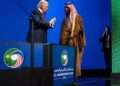
Earlier steps included a November 2025 joint declaration during Crown Prince Mohammed bin Salman’s visit to Washington, which laid the groundwork for this agreement. U.S. officials have emphasized that the partnership adheres to strong nonproliferation standards, with American involvement serving as a key safeguard.
The deal is not without controversy. Some lawmakers and nonproliferation experts have raised concerns about Saudi Arabia’s potential enrichment capabilities, citing regional tensions particularly with Iran and the risk of a broader arms race in the Middle East. Critics argue that allowing enrichment on Saudi soil could complicate global nonproliferation efforts.
The agreement, formally known as a Section 123 pact under the Atomic Energy Act, requires congressional review. It could face opposition in Congress, though the administration is expected to submit it soon, potentially within days.
Energy Secretary Chris Wright is anticipated to sign the agreement on behalf of the United States.
This nuclear partnership fits into a larger framework of U.S.-Saudi cooperation, including defense sales, investments, and economic initiatives totaling hundreds of billions of dollars. Proponents see it as advancing American leadership in civil nuclear technology while supporting a key ally.
As details emerge and Congress weighs in, the deal could reshape energy dynamics in the Gulf and set a precedent for future U.S. nuclear exports. Officials from both nations are expected to provide further public comments in the coming days.