By Tumwesigye Anslem
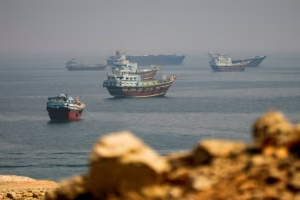
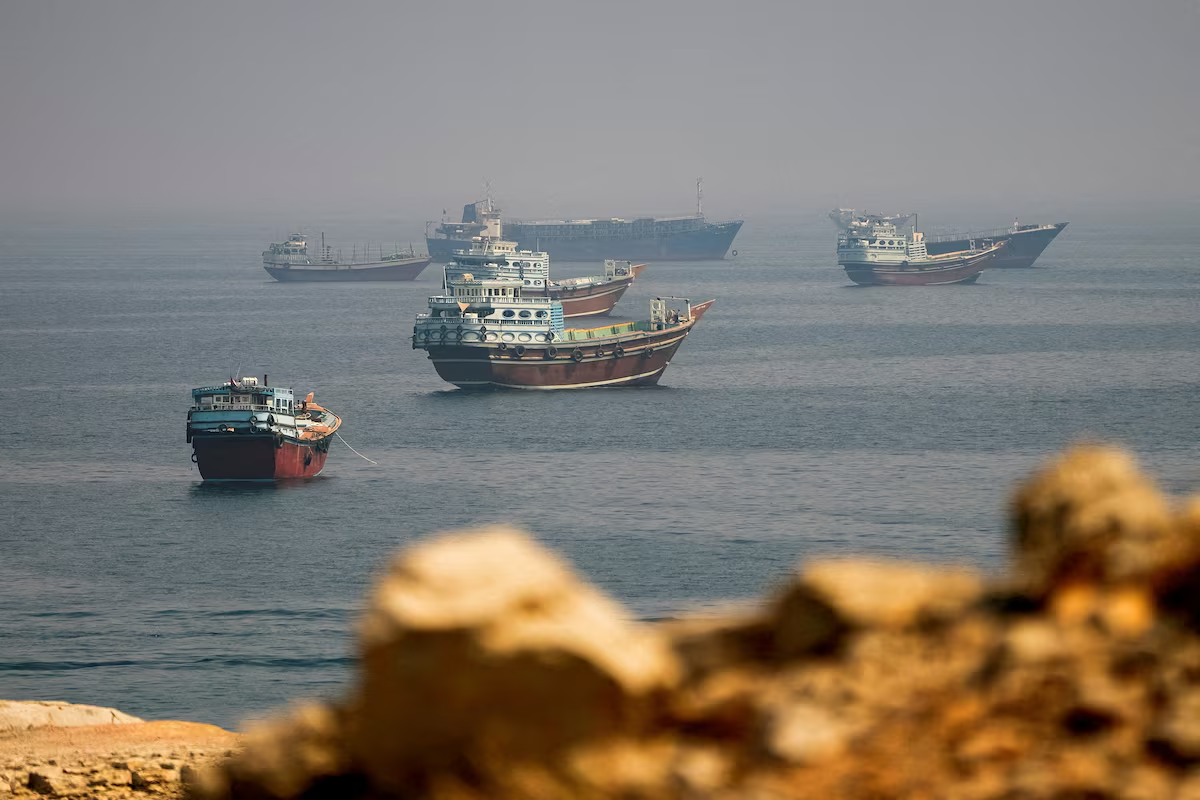
From the deck of a tugboat guiding giant crude carriers into Fujairah’s port, the UAE’s push toward its “Zero Hormuz” strategy is visible in every direction. A tanker capable of carrying two million barrels loads at the port’s sole jetty built for such vessels. Smaller ships occupy other berths, one loads at an offshore mooring under the watch of a UAE naval corvette, and more tankers sit anchored on the horizon conducting ship-to-ship transfers of oil that has been carefully shuttled through the Strait of Hormuz under U.S. protection.
Fujairah one of the UAE’s poorer emirates, long better known for budget resorts and mountain escapes has become the centerpiece of a regional effort to blunt Iran’s leverage over Gulf energy and trade flows. Geography is its greatest asset. The emirate sits on the Gulf of Oman, outside the narrow, contested Strait of Hormuz that Iran has repeatedly threatened or disrupted. A 2012 pipeline from Abu Dhabi’s Habshan fields already delivers up to 1.8 million barrels per day of crude to Fujairah, bypassing the strait entirely. Tank farms now line the coastal highway, pipes snake between terminals, and a rail link connects the emirate to Abu Dhabi.
Energy analyst Fereidun Fesharaki has called the current conflict a “once-in-a-lifetime opportunity” for Fujairah, potentially bringing a new liquefied natural gas plant, a refinery, and a substantially larger port. Ship-to-ship transfers have surged—from a handful before the war to dozens monthly—and the port is handling more cargo as trucks queue for miles along the highway. Abu Dhabi Crown Prince Sheikh Khaled bin Mohamed is driving the broader “Zero Hormuz” effort, channeling sovereign wealth fund capital into logistics and eastern infrastructure. UAE officials, including Foreign Trade Minister Thani Al Zeyoudi, have stated the goal is to drive dependency on Hormuz to zero regardless of whether the waterway reopens, with expansions planned for Fujairah, Khor Fakkan, and Dibba, plus new pipelines and road/rail connections.
The UAE is not alone. Saudi Arabia is expanding its own bypass pipelines, Kuwait is exploring routes through Saudi and Emirati links, and Oman stands to gain from alternative corridors. Yet the topography complicates Fujairah’s growth: mountains press against the coast, forcing land reclamation for expansion. Security risks persist—Iran has targeted the port and related infrastructure—and war-risk insurance premiums remain elevated, with underwriters reportedly seeking months of stability before lowering rates. Not every commodity can efficiently bypass the strait; fertilizers, LNG, metals, and the imports needed by tens of millions of people still face logistical constraints that trucking or alternative routes cannot fully solve.
For Fujairah’s residents, the boom offers a chance to narrow the gap with wealthier emirates like Abu Dhabi and Dubai. Vacant reclaimed land near the port could host new industrial assets, turning a wartime contingency into lasting economic development. The broader regional lesson is one of deliberate redundancy: pipelines and ports may sit idle in peacetime, but they keep energy and goods moving when adversaries target the arteries of the Gulf economy. As one Semafor analysis notes, the direction of travel is clear—resilience over single points of failure—even if the Strait of Hormuz never becomes entirely obsolete.
Fujairah’s transformation illustrates both the costs and the strategic logic of preparing for a more fragmented energy map. What began as insurance against disruption is now a full-scale reorientation of trade routes, with the emirate’s coastline as its most valuable real estate.