By Julia Rota
Florida’s September 29, 2026, decision to approve terrorism designations covering the Muslim Brotherhood and the Council on American-Islamic Relations marks a significant escalation in American state-level counterterrorism policy. The vote moves a longstanding political argument into a legal framework with potentially serious consequences for funding, organizational activity, and civic participation. Its significance extends beyond Florida: it tests how states can confront alleged extremist networks while respecting constitutional limits and distinguishing organizational responsibility from ideological association.
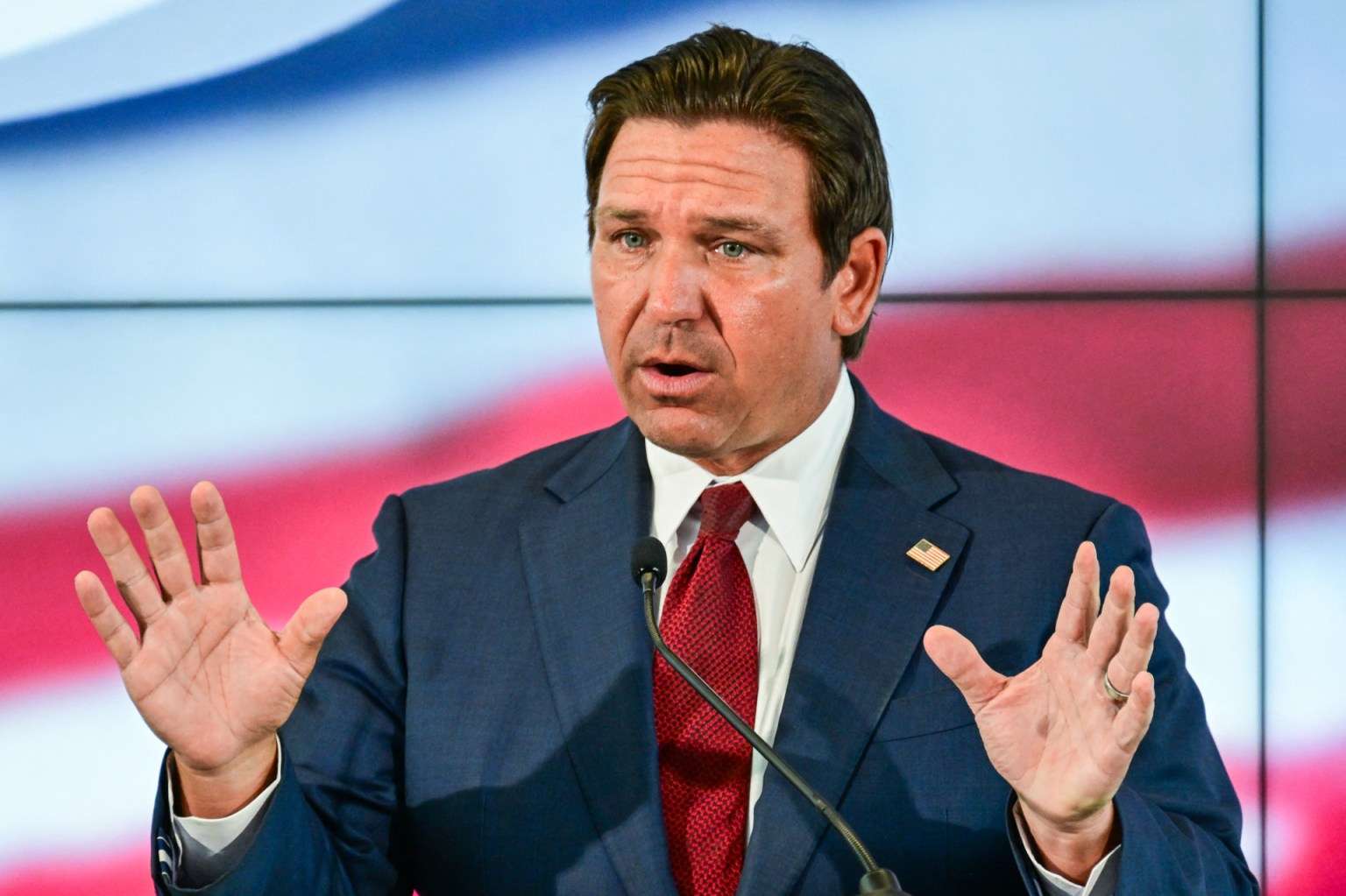
The chronology matters. Governor Ron DeSantis first targeted the Brotherhood and CAIR through Executive Order 25-244 in December 2025. A federal court preliminarily blocked enforcement of that order in March 2026 on First Amendment grounds. Florida subsequently established a statutory designation process, effective July 1, involving its domestic security chief, governor, and Cabinet. The September vote therefore represents a separate legal route, rather than simply the continuation of an uncontested executive directive.
The administration presents this framework as a preventive security measure. Its stated objectives include denying public resources to designated organizations and strengthening enforcement against material support. The underlying concern deserves serious examination: terrorist movements can depend on financial, logistical, and organizational infrastructure far removed from an actual attack. Effective prevention requires authorities to examine those mechanisms before violence occurs. But translating that concern into enforceable policy requires specific evidence connecting a particular organization to conduct covered by law.
Florida’s amended material-support statute illustrates the stakes. It criminalizes knowingly providing resources to designated domestic terrorist organizations, with resources encompassing money, services, training, and expert assistance. The statute also distinguishes personnel working under an organization’s direction from individuals acting entirely independently. A separate membership provision requires service under organizational direction or control and intent to further illegal acts. Those elements matter: public debate should not imply that every sympathetic statement or casual association automatically constitutes a crime.
The most contentious evidentiary issue concerns CAIR’s alleged connections to Hamas and the Muslim Brotherhood. Florida’s designation materials, as reported by WLRN, cite alleged links involving founding figures, Hamas leader Mousa Abu Marzook, and Ghassan Elashi, a co-founder of CAIR’s Texas chapter who was convicted in terrorism-related proceedings. Such allegations warrant careful scrutiny. They also require distinctions between national leadership and local chapters, historical relationships and current operations, and an individual’s criminal responsibility and that of a separate institution.
The Holy Land Foundation proceedings remain central to this controversy. Prosecutors included CAIR on an unindicted co-conspirator list, but CAIR was not a defendant convicted in that trial. The Fifth Circuit’s subsequent decision addressed the North American Islamic Trust’s challenge to its public identification and the remedy for a due-process violation. CAIR was not a party to that appeal. Presenting the proceedings either as a criminal conviction of CAIR or as a sweeping judicial exoneration would misrepresent their scope.
CAIR rejects allegations that it operates as a Hamas front or Brotherhood instrument. It describes its mission as civil-rights advocacy and states that it condemns terrorism, including attacks by Hamas. Its lawyers argue that Florida’s actions punish protected advocacy and association. According to the ACLU’s litigation account, an initial challenge was dismissed on standing grounds on October 1; a new complaint followed after the September designation vote. That procedural history should not be confused with a judicial endorsement of Florida’s underlying allegations.
Foreign designations introduce another dimension. In November 2014, the United Arab Emirates included CAIR on its published terrorism list. Florida’s materials cite that decision, demonstrating how overseas security assessments can influence American policy debates. Such assessments can provide investigative leads and opportunities for intelligence cooperation. They cannot, by themselves, resolve whether an American organization satisfies Florida’s statutory criteria or whether restrictions comply with the United States Constitution. Foreign judgments require independent American evaluation, with access to evidence and meaningful opportunities to challenge it.
The broader consequences could reach donors, service providers, students, and community organizations. Even before criminal enforcement, uncertainty may discourage lawful cooperation or political participation. Conversely, credible enforcement against demonstrable financing and logistical support could disrupt dangerous networks and strengthen public confidence. The dividing line must remain conduct supported by evidence. Muslim identity, religious observance, or participation in public debate cannot reasonably serve as substitutes for establishing organizational involvement in terrorism.
Florida has forced an important national discussion about the infrastructure that sustains extremism. Its approach will ultimately be judged by the quality of its evidence, the precision of its enforcement, and its ability to withstand constitutional review. A durable counterterrorism policy must expose unlawful networks while preserving legitimate civic participation. Security gains are strongest when the state can demonstrate why its actions are necessary, whom they lawfully target, and how innocent people remain protected.