By Tim Frazer
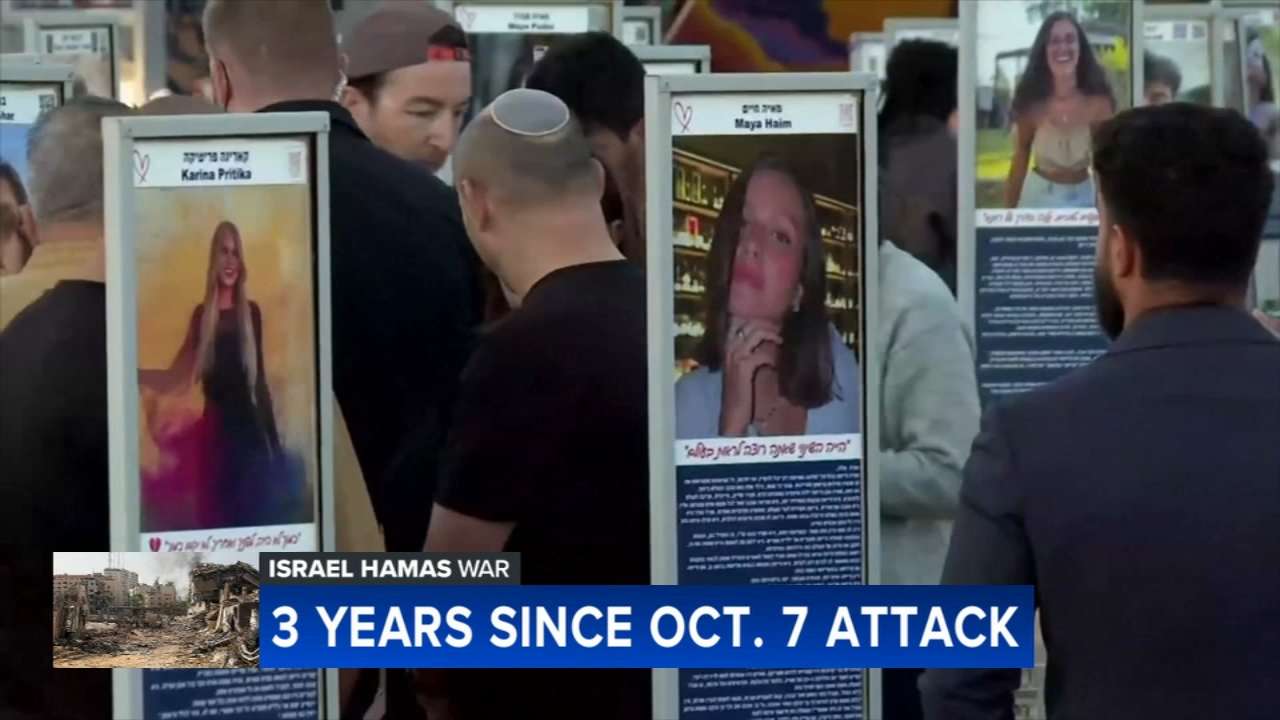
On the morning of October 7, 2023, Hamas and allied militants launched a coordinated assault from Gaza into southern Israel by land, sea, and air. Roughly 1,200 people were killed the large majority of them civilians and more than 240 were taken hostage. Families were murdered in their homes in communities such as Be’eri, Kfar Aza, and Nir Oz. At the Supernova music festival near Re’im, hundreds of young people were hunted across open ground; many were killed and dozens abducted. Documented cases of sexual violence, the murder of children, and the dragging of captives including the elderly and the very young into Gaza made the day the deadliest for Jews since the Holocaust.
What followed compounded the shock. In cities across the West, some demonstrators took to the streets within hours, not to mourn the dead but to frame the massacre as legitimate resistance. Hostage posters were torn down. On certain university campuses, Jewish students faced harassment while slogans that erased or justified the killings entered mainstream protest language. The attack itself did not invent antisemitism, yet it stripped away euphemisms and revealed how readily ancient accusations—of collective guilt, hidden power, or inherent illegitimacy—could be revived under new phrasing.
The pattern is historically familiar. The Holocaust did not begin in gas chambers; it began when dehumanizing speech became socially acceptable, when neighbors were redefined as threats, and when institutions treated warning signs as someone else’s problem. Remembrance without the will to interrupt that sequence has repeatedly proved insufficient. Today the same sequence is accelerated by technology: a false claim or selective video can circle the globe before corrections appear, algorithms amplify outrage, and foreign actors exploit existing divisions. Antisemitism, whether it arrives from the political left, the political right, or from abroad, remains antisemitism; selective condemnation that excuses one’s own side simply recycles the poison.
A coherent response therefore requires more than separate statements from hundreds of organizations. Universities, technology platforms, governments, and civic leaders can protect open debate while insisting on transparency about coordinated campaigns, rejecting the mainstreaming of eliminationist rhetoric, and refusing to hold one nation to standards applied to no other. Coordination matters because fragmented efforts are easily outpaced by a single, relentless narrative. Silence from those who know better has too often been read as permission.
Three years on, the obligation is practical as well as moral. The murdered, the hostages who endured captivity, Holocaust survivors who entrusted their testimonies to later generations, and children not yet born all stand as reasons to treat “Never Again” as an operational commitment rather than a ceremonial phrase. Societies that grow accustomed to the intimidation of Jews and the casual circulation of conspiracy theories surrender more than the safety of one community; they weaken the habits of pluralism and restraint that protect everyone. History has already supplied the warning. The remaining question is whether the present chooses to act on it.