By Maria Maalouf
“People need to speak up.”
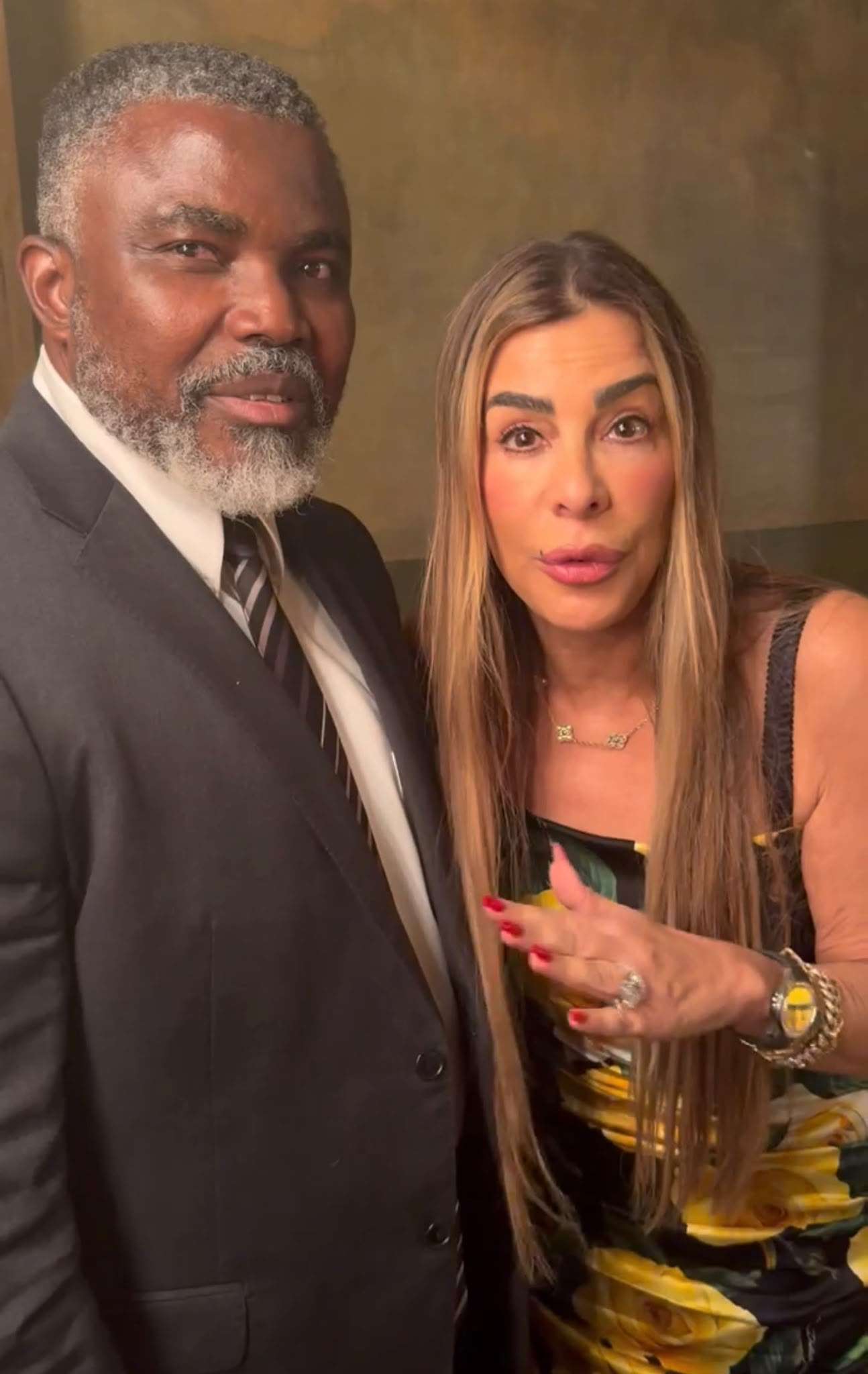
With that urgent appeal, Siggy Flicker brought an impassioned message to her conversation with journalist Maria Maalouf and Maalouf’s guest, Captain Douglas from Nigeria: pay attention to the suffering of Christians, confront extremist violence, and stop allowing political divisions to overshadow people in danger.
The exchange moved from Nigeria’s Christian communities to Lebanon, from support for Donald Trump to solidarity with Israel. But its most personal moment came when Captain Douglas spoke about his own circumstances—and Flicker responded directly: “You’re in danger.”
“All the focus needs to be on this man”
Standing alongside Maalouf’s guest, Flicker called for greater international attention to attacks on Christians in Nigeria.
“Christians are suffering. Churches are being burned down,” she said, describing the violence as “genocide”—her characterization during the conversation.
For Flicker, Captain Douglas gave the discussion a human focus. She urged those watching to listen to him and pay attention to the country he was discussing.
“Right now, all the focus needs to be on this man and a country called Nigeria, where the Christians are suffering,” she said.
Her remarks were forceful and, at times, confrontational. She challenged what she viewed as misplaced international attention and pressed her audience to treat the persecution of Christians as an urgent concern.
Captain Douglas then said that the Nigerian government did not want him to return to Nigeria. The recording does not establish the precise nature of any restriction or threat, but his statement prompted Flicker’s immediate expression of concern about his safety.
The moment shifted the conversation from advocacy to the potential personal consequences of speaking out.
A message for Trump’s critics
Flicker’s appeal also carried an unmistakable political message. Addressing opponents of Donald Trump, she used the phrase “Trump derangement syndrome” and urged them to “get over it” and act.
Her argument was that hostility toward Trump should not prevent people from recognizing extremist threats or supporting efforts to protect vulnerable communities.
Captain Douglas, for his part, expressed longstanding admiration for Trump.
“From day one, Trump is my mentor. I’ve supported him from the beginning,” he said, adding that he hoped to meet him personally.
“I’m going to put it out there,” he continued.
“And you will,” Flicker replied, before returning to her central appeal: “But people need to speak up.”
The exchange brought together Douglas’s hope for access to the American president and Flicker’s insistence that public advocacy must continue beyond a private conversation.
“Support Nigeria. And help Lebanon.”
Lebanon also became a focus of the discussion with Maalouf.
Flicker recalled the country’s former reputation as the “Beverly Hills of the Middle East,” invoking an image of prosperity and glamour as she lamented its deterioration.
Her appeal linked concern for Nigeria’s Christians with concern for Lebanon’s future.
“Wake up and don’t let it happen here,” she said. “And support Nigeria. And help Lebanon.”
The conversation also touched on solidarity with Israel and the desire for closer connections across communities. Flicker spoke defiantly about Israel’s determination to continue defending its interests, while other participants discussed the ties between Lebanese Christians and Israel.
Later, the tone briefly became celebratory as Flicker declared: “We’re going to celebrate in Tel Aviv.”
It was a moment of optimism within a discussion otherwise dominated by danger, persecution and political confrontation.
“It’s about the message”
One of Flicker’s clearest statements came when the conversation turned to women’s advocacy and opportunities to offer public platforms.
“I don’t really need a platform,” she said.
She then explained what mattered to her: “It’s not about the platform. It’s about the message.”
That distinction captured the purpose she expressed throughout her conversation with Maalouf and Captain Douglas. Attention, in her view, should translate into people speaking out—about threatened Christian communities, extremist violence and the future of countries such as Nigeria and Lebanon.
Her appeal to viewers was direct: listen to those describing their suffering, take their concerns seriously, and use your voice.
“People need to speak up.”