By Tim Frazer
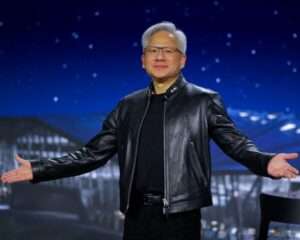
NVIDIA has reinstated co-founder Jensen Huang as president, CEO, and board member effective immediately, just 11 days after his resignation amid revelations of extramarital affairs.
The board’s unanimous decision, announced on November 23, 2026, marked a sharp U-turn from its earlier public stance that it had no intention of bringing him back.
Huang resigned on November 12 following reports of multiple relationships, including one with Alice Huang (no relation), the former CEO of Singapore-based AI company Megaspeed. U.S. authorities had suspected Alice Huang of ties to Chinese intelligence, an allegation Beijing has denied; the company has faced scrutiny over potential diversion of advanced NVIDIA chips. Additional reports involved relationships with NVIDIA employees, one of whom was a direct report. The board cited personal conduct inconsistent with company standards when accepting the resignation and appointed longtime CFO Colette Kress as interim CEO.
In the days that followed, pressure mounted for Huang’s return. A public petition gathered more than 180,000 signatures, with thousands claiming to be current employees. Support came from investors, industry figures including Elon Musk, and U.S. President Donald Trump, who publicly urged the board to reinstate him and later claimed personal involvement. Trump stated that the U.S. government had no reason to believe Huang’s return posed a national security risk and that there was no evidence of unlawful conduct. NVIDIA’s board said it received input from senior levels of the U.S. government before concluding that reinstatement posed no such risk and that it was satisfied with Huang’s candor and leadership ability.
“The Board believes Jensen is the right person to lead NVIDIA and that his reinstatement is in the best interests of our stockholders, employees, partners, and customers,” board chair Harvey Jones said. Huang responded that he was “honored to return” and would lead with “the greatest humility and renewed commitment.” Upon returning to headquarters, he told employees he intended to be “a better CEO the second time around.” Kress remains CFO.
The market reacted strongly. NVIDIA shares surged roughly 31–32% on the day of the announcement, adding nearly $1 trillion in market value and briefly restoring the company near the top of global rankings by market capitalization. Broader AI and semiconductor stocks also rallied. Analysts described the move as a relief for the AI trade, which had been under pressure after Huang’s exit, though some cautioned that questions about governance, ongoing investigations, and the long-term implications of the episode remain.
NVIDIA continues to cooperate with government inquiries. An independent investigation by the company is ongoing, alongside scrutiny from other U.S. authorities. Critics have raised concerns about corporate governance, potential conflicts, and the influence of political pressure on board decisions, while supporters emphasize Huang’s central role in building NVIDIA from a graphics-chip company into the dominant supplier of AI processors that power the current boom.
Huang co-founded NVIDIA in 1993. Under his nearly 33-year leadership, the company captured the majority of the high-end GPU market and became a critical infrastructure provider for artificial intelligence. His brief absence highlighted how closely the AI industry’s trajectory is tied to his leadership and to the company’s chip roadmap, customer relationships, and Washington ties. With investigations continuing and the stock having partially recovered prior losses, the coming months will test whether the reinstatement stabilizes the company or leaves unresolved questions that affect investor confidence and regulatory scrutiny.