By Toni Nissi
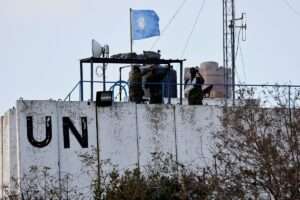
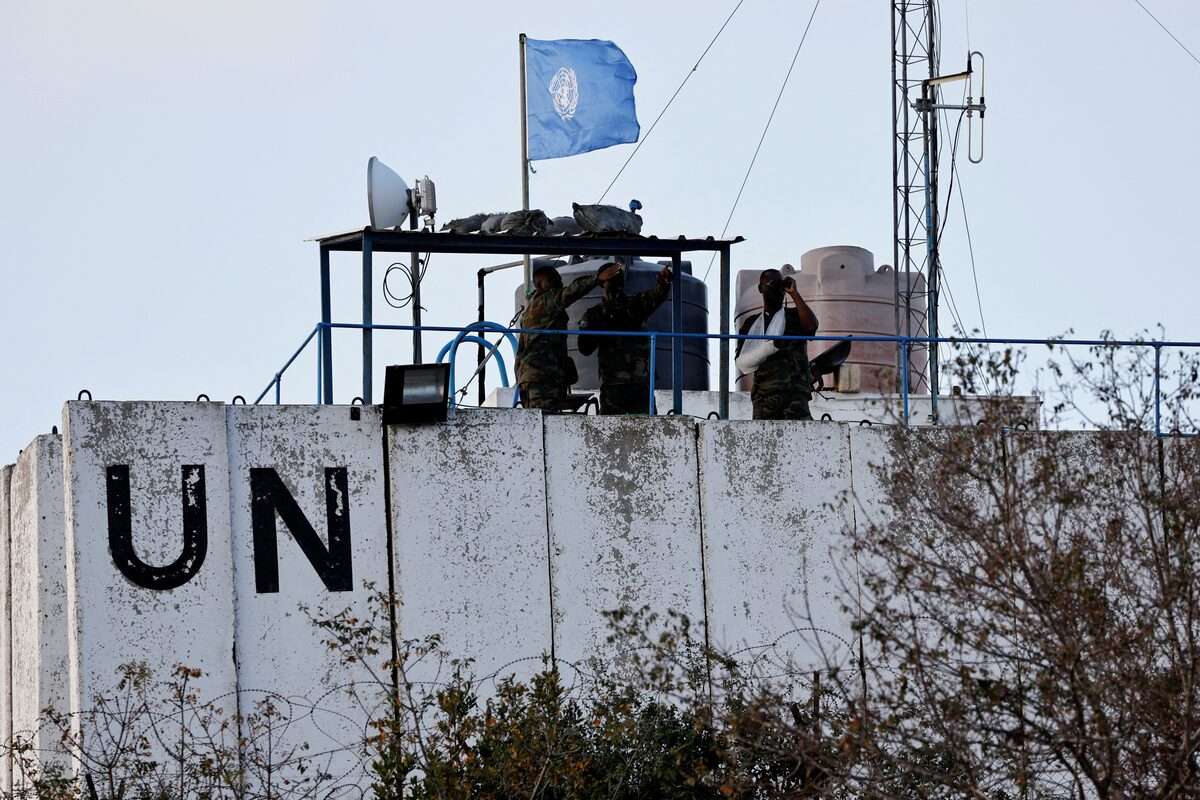
As December 31, 2026, approaches, Lebanon faces a critical challenge: ensuring that citizens who have remained in their southern border villages are not isolated from the rest of their country following the end of UNIFIL’s operational mandate.
United Nations Security Council Resolution 2790 (2025) provides for UNIFIL’s withdrawal throughout 2027. Operative paragraph 6(vii) explicitly authorizes UNIFIL, during its withdrawal period, to contribute to the protection of civilians and the safe, civilian-led delivery of humanitarian assistance. This provision offers an important legal foundation for a gradual transition towards Lebanese municipal responsibility.
With a further renewal appearing highly unlikely, and without a new Security Council resolution establishing an alternative mission, potentially under Chapter VII, Lebanon must prepare its own solution.
The humanitarian corridors connecting border villages to the rest of Lebanon must remain open, secure, and under Lebanese responsibility.
Municipalities are already leading on the ground
One essential reality must be recognized: even today, while UNIFIL remains present and operational, local municipalities are already playing the leading role in coordinating activities within the existing humanitarian corridors.
Municipal presidents, municipal police, and local personnel are directly involved in coordinating civilian movements, humanitarian deliveries, emergency assistance, and communication with residents and relevant authorities.
UNIFIL provides important support and facilitation, but municipalities possess the local knowledge, community relationships, and continuous presence necessary for these corridors to function.
Therefore, the proposed transition does not mean creating a new structure. It means officially recognising, strengthening, and equipping the Lebanese institutions already performing much of this work.
The Lebanese government must assume its responsibilities
Municipalities and their police forces should progressively assume formal responsibility for coordinating humanitarian access, under Lebanese state authority, while national security and military responsibilities remain with the Lebanese Armed Forces and competent security institutions.
This transition must begin during UNIFIL’s withdrawal period, using the provisions of Resolution 2790 to ensure continuity.
The Lebanese government must provide the necessary legal authority, guaranteed salaries, vehicles, communications equipment, protective gear, fuel, training, and operational budgets.
Lebanon cannot ask its citizens to remain on their land while denying their municipalities the means to support and protect them.
No private contractors or parallel structures
Any proposal to replace UNIFIL’s humanitarian functions with private security contractors, foreign commercial operators, or parallel structures must be categorically rejected.
Humanitarian access is a sovereign public responsibility, not a commercial opportunity.
No private company should replace the municipalities or assume control over the movement and daily lives of Lebanese citizens within their own country.
International assistance may provide financing, training, and equipment, but operational responsibility must remain with legitimate Lebanese public institutions.
A humanitarian understanding between Lebanon and Israel
Lebanon and Israel should reach a strictly humanitarian understanding, through direct, indirect channels or international mediation, guaranteeing the continued functioning of designated civilian corridors.
Such an understanding should recognize authorized Lebanese municipal personnel as the local civilian counterparts assuming UNIFIL’s humanitarian liaison functions, without implying diplomatic normalization or compromising Lebanese sovereignty.
Both parties must respect humanitarian movements, emergency access, and civilian safety, in accordance with international humanitarian law.
The people must remain
The citizens who have remained in their border villages despite insecurity and destruction are the foundation of Lebanon’s continued presence along its southern border.
Resolution 2790 provides the time to prepare. The government must act before UNIFIL completes its withdrawal.
The municipalities are already carrying much of the responsibility. They now need official recognition, equipment, financing, and guarantees.
The international forces may leave, but the Lebanese people must remain.
Their land, their villages, their municipalities, and their future must remain in Lebanese hands.