By Avi Kaner
A successful stock market debut cannot resolve the Middle East’s conflicts. But it can tell us something about whether investors are willing to commit capital despite them.
DIP Holding’s November 11 debut on the Dubai Financial Market offered an encouraging answer. The company behind Dubai Investments Park closed its first trading day at AED 1.18, up approximately 5.4 percent from its offer price. It was the United Arab Emirates’ first IPO of 2026, ending a prolonged pause in new offerings.
The significance extends beyond one day’s share price. Regional conflict has made investors more cautious and complicated companies’ plans to go public. Against that backdrop, completing a substantial offering and sustaining a positive debut is a meaningful step toward rebuilding confidence. It is too early to declare a broad recovery, but this is a credible starting point.
Dubai Investments sold a 20 percent stake for approximately AED 1.94 billion, or $529 million, retaining 80 percent ownership. The transaction valued DIP Holding at roughly AED 9.7 billion at the offer price. Because the offering involved existing shares, the proceeds went to the parent company. Public investors gained access to an established business; DIP Holding itself did not receive new capital.
As a businessman, what interests me most is the economic activity behind those numbers.
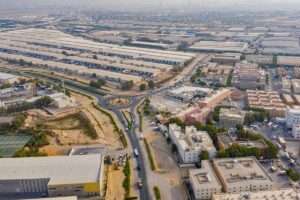
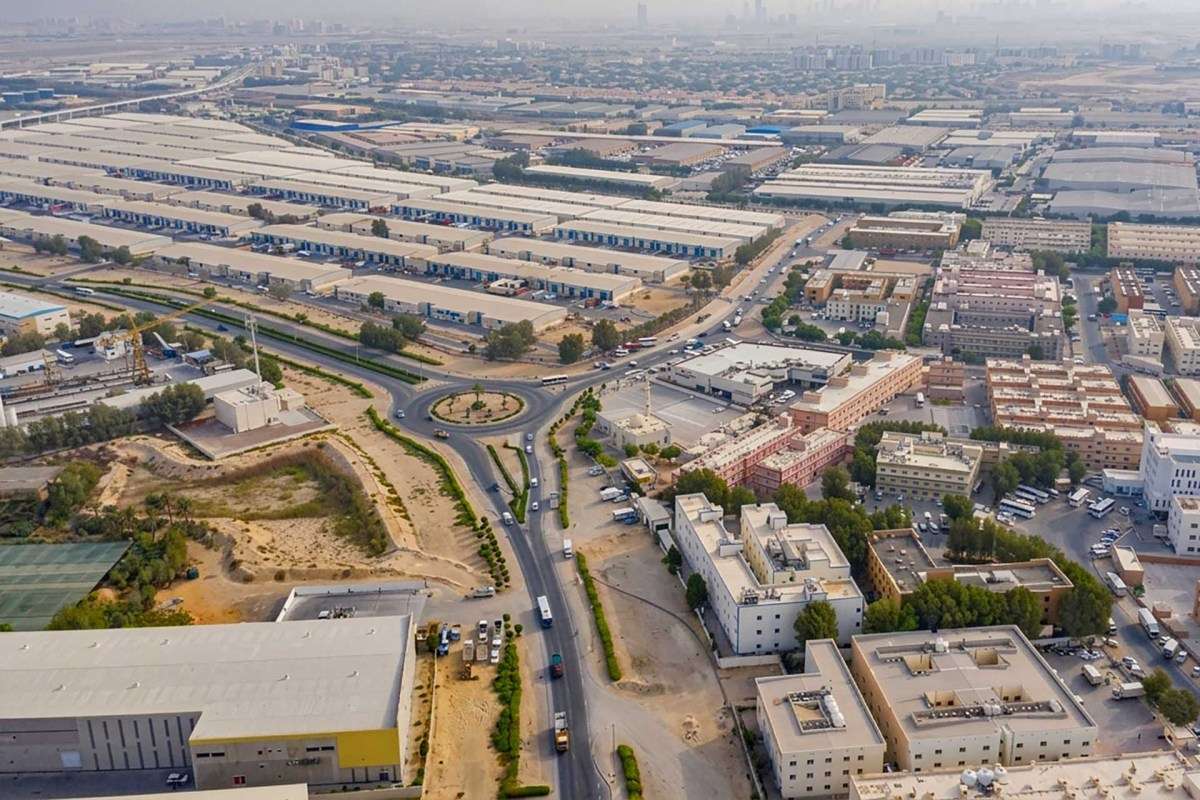
Dubai Investments Park covers approximately 23 million square metres and combines industrial, logistics, commercial, and residential uses. It accommodates roughly 1,000 primary tenants, approximately 5,700 subleases, and more than 150,000 residents. Its ground-lease occupancy stood at 99.9 percent at the end of June. Long-term leases and recurring service revenues give investors a tangible operating business to evaluate.
A durable economy needs places where businesses can manufacture, store goods, serve customers, and employ people. Developments such as this provide the infrastructure that allows those activities to take place.
The offering’s pricing also deserves attention. Shares were sold at AED 1.12, below the top of the marketed range, despite demand reportedly reaching approximately four times the available shares. Bloomberg reported participation by Saudi Arabia’s Public Investment Fund and a Blackstone unit, citing people familiar with the transaction. Those names remain reported participants rather than publicly confirmed endorsements.
My reading is that investors remain interested, but expect pricing that reflects the risks. That is a healthy discipline for a market seeking to reopen.
The income profile adds to the appeal. The company targets annualised dividends of AED 725 million for 2027, implying approximately a 7.5 percent yield at the offer price. Its first post-listing payment, expected in April 2027, would cover the second half of 2026. These are expected distributions, subject to the relevant approvals, and future performance will determine whether the investment delivers.
For me, the broader lesson is straightforward: stability has economic value. Predictable rules, functioning infrastructure, and openness to investment help businesses plan beyond the next crisis. They also give people a greater stake in preserving the conditions that support their livelihoods.
DIP Holding’s debut is an encouraging signal. The stronger test will be whether other companies can follow, investors continue to participate, and listed businesses deliver on their commitments.
The Middle East needs more opportunities built around productive enterprise, trade, and shared prosperity. This listing is one welcome step in that direction.