By Nicole DiCocco
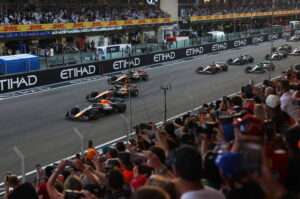
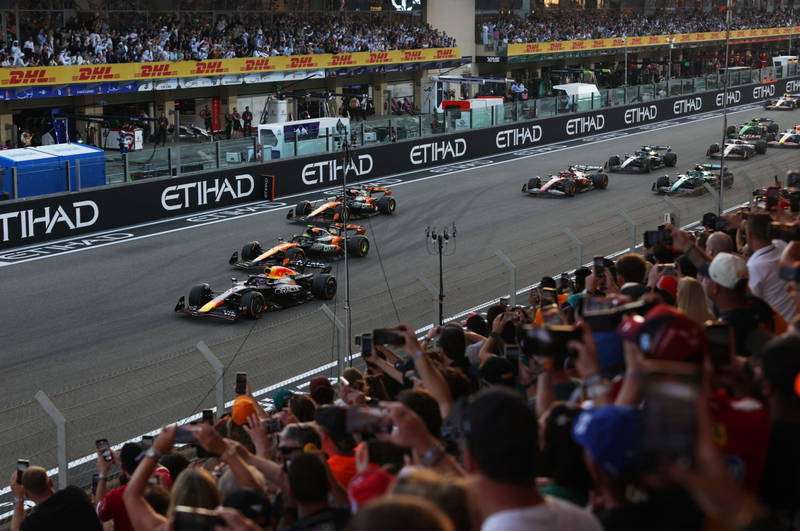
Formula 1 has formally told Imola it will not be required as an emergency replacement, clearing the way for the 2026 season to conclude as originally scheduled with the Qatar Grand Prix on 27–29 November and the Abu Dhabi Grand Prix on 4–6 December.
The Italian circuit had been held on standby for the Abu Dhabi weekend dates in case regional security concerns linked to the ongoing conflict involving the United States, Israel and Iran made travel to the Gulf untenable. On Tuesday, Formula One Management informed both Imola organisers and the teams that the contingency was no longer needed.
While it is bad news for those hoping to pop in and do some shopping at Bruno Magli and have a dish of spaghetti Bolognaise, it provides a mood boosting and positive outlook for the gulf in general.
An F1 spokesperson emphasised that the Middle East had always been the default plan: “We cannot let Imola wait indefinitely. Therefore, we have informed them today that we will not require them at the end of the season.”
The decision comes after months of calendar disruption. The April Saudi Arabian and Bahrain Grands Prix were cancelled and postponed respectively following the outbreak of hostilities; Bahrain was eventually staged at Sepang in Malaysia in October to help protect a minimum race count. With the end-of-season double-header still uncertain, F1 underwrote early preparations at Imola estimated in the region of $10–15 million so the track could be ready on short notice if required. A hard deadline of 10 November was set because further significant infrastructure work would have been needed beyond that point.
F1’s assessment is that conditions in Qatar and Abu Dhabi have not “negatively developed” in recent months. Government travel advice continues to permit journeys, insurance remains valid, commercial activity has largely returned to normal, and MotoGP successfully ran its Qatar round at Lusail last weekend. All 11 teams are understood to support finishing the campaign as planned. FIA President Mohammed Ben Sulayem reinforced the message publicly: “We are ready for Qatar and Abu Dhabi. We are fully prepared and committed to delivering two outstanding Grand Prix weekends and a spectacular conclusion to the Formula One World Championship.”
That does not equate to a blank cheque. F1 has been clear that safety remains the overriding priority and that it will cancel the races without hesitation if the situation deteriorates between now and the events. In that scenario, the season would simply end in Las Vegas (19–21 November), leaving the championship short of its full 23-round target. Constant monitoring continues through local authorities, government travel advisories, intelligence inputs and on-the-ground presence from both F1 and the FIA.
The episode underlines the commercial and logistical tightrope F1 walks. Qatar and Abu Dhabi are major financial partners through hosting fees, sponsorship and ownership stakes in teams yet the proximity of the venues to areas still experiencing missile activity has left some senior figures in the paddock uneasy. Standing down Imola removes one layer of flexibility while buying a short additional window before freight and personnel must commit to the Middle East after Las Vegas.
For now, the calendar points firmly to Lusail and Yas Marina. Whether the chequered flag ultimately falls under the Gulf lights, or the campaign closes early in the Nevada desert, will depend on developments in the weeks ahead.