By Maria Maalouf
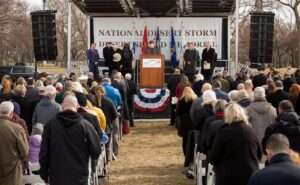
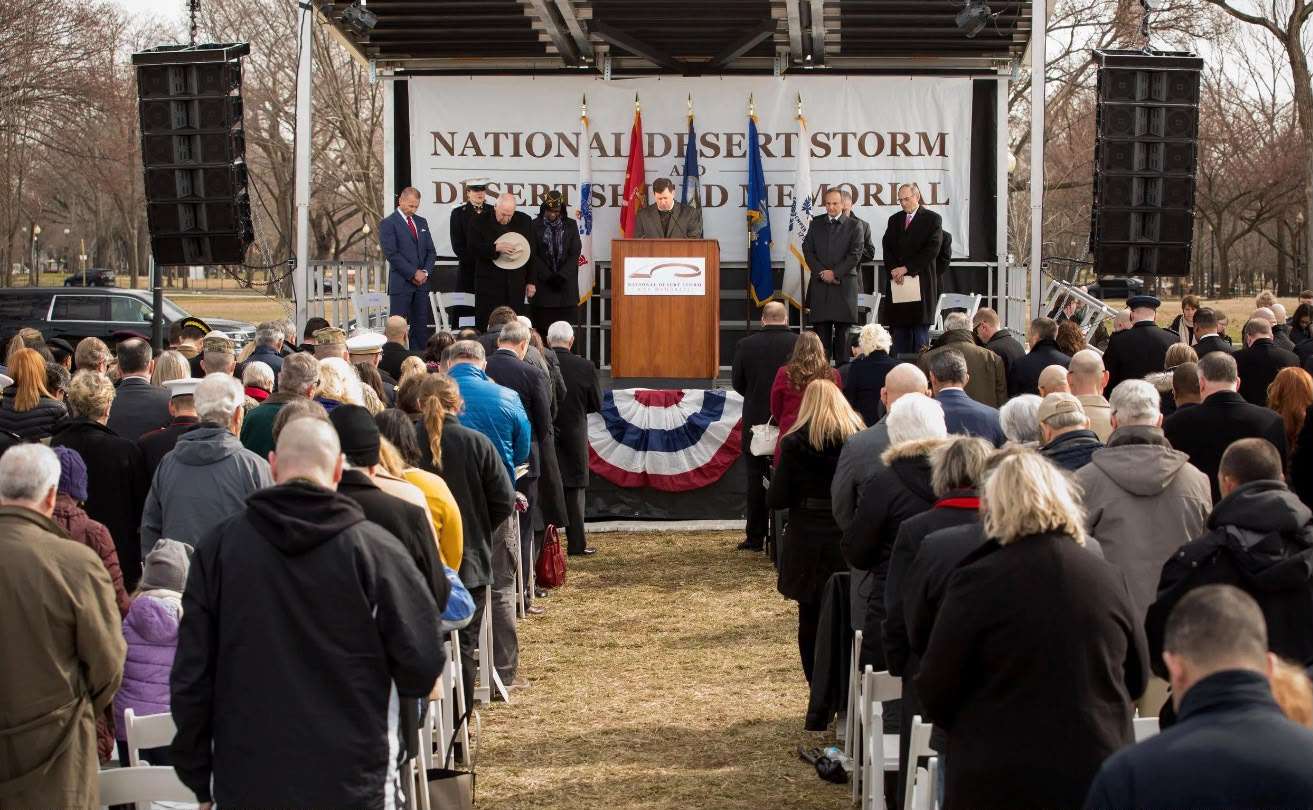
The opening of the Desert Shield and Desert Storm Memorial on October 24, 2026, brings a defining chapter of American and Gulf history into permanent view on Washington’s National Mall. Located near the Lincoln Memorial, it honors those who served in the operations that defended Saudi Arabia and liberated Kuwait from Iraqi occupation.
For visitors unfamiliar with the conflict, the memorial raises an essential question: What happened during the Gulf War, and why does it still matter?
The crisis began on August 2, 1990, when Iraqi forces under Saddam Hussein invaded Kuwait. Iraq was heavily indebted after its eight-year war with Iran, and tensions with Kuwait had intensified over debt, oil production, and territorial disputes. Saddam accused Kuwait of undermining Iraq’s oil revenues. Those disputes became the backdrop to an invasion that overwhelmed Kuwait’s defenses and placed the country under occupation. Iraq subsequently declared Kuwait its nineteenth province, a claim rejected internationally.
President George H. W. Bush responded by organizing an international coalition. The United Nations Security Council condemned the invasion, demanded Iraqi withdrawal, and imposed sanctions. With Iraqi troops positioned close to Saudi Arabia, protecting the kingdom became an immediate priority.
Operation Desert Shield began on August 7, 1990. It was the defensive and preparation phase: American and allied forces deployed to Saudi Arabia to deter further Iraqi advances and build the military capacity needed to force Iraq out of Kuwait if diplomacy failed. Desert Shield and Desert Storm were therefore two phases of the same crisis, with distinct purposes.
When Iraq refused to withdraw, Operation Desert Storm began on January 17, 1991, with a major air campaign. Coalition aircraft struck Iraqi military infrastructure, command facilities, and forces. Iraq responded with missile attacks against Israel and Saudi Arabia.
The ground offensive began on February 24. After weeks of air operations, coalition forces rapidly overwhelmed Iraqi positions and liberated Kuwait. On February 28, approximately 100 hours after the ground campaign began, President Bush suspended offensive combat operations. The speed of the ground victory became one of the war’s defining features.
Liberation, however, did not end Iraq’s confrontation with the international community. Saddam remained in power, while sanctions, reparations, and weapons inspections shaped the aftermath. Inside Iraq, uprisings were violently suppressed. Kuwait regained its sovereignty, but the region continued to live with the consequences of the conflict.
Washington’s new memorial gives that history a physical setting. Its eagle and falcon symbolize American leadership and regional allies, while the central Unity Shield commemorates the coalition nations and their shared sacrifices. It invites visitors to remember both the achievement of Kuwait’s liberation and the human cost behind it—a military victory whose legacy extends far beyond the battlefield.