By Jonathan Ramsey
Hezbollah did not capture Lebanon by force alone. Rifles can intimidate a country, but they cannot run its ministries, appoint its judges, or steer its security agencies. For that, the party needed partners inside the system. Two men, more than any others, supplied them: Saad Hariri, the heir to Sunni leadership, and Gebran Bassil, the ambitious son-in-law of former President Michel Aoun.
Their roads to that role were different. Bassil’s was a strategic alliance. The 2006 Mar Mikhael memorandum between the Free Patriotic Movement and Hezbollah gave the party something it had never had before: Christian cover. It could now present its weapons as a national consensus rather than a sectarian arsenal. In return, Bassil gained a path to power. It ran through the 2016 deal that brought Aoun to Baabda, and then through years of control over key ministries, from energy to foreign affairs.
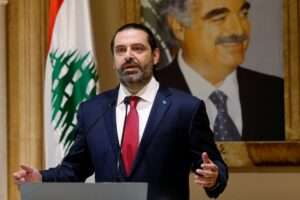
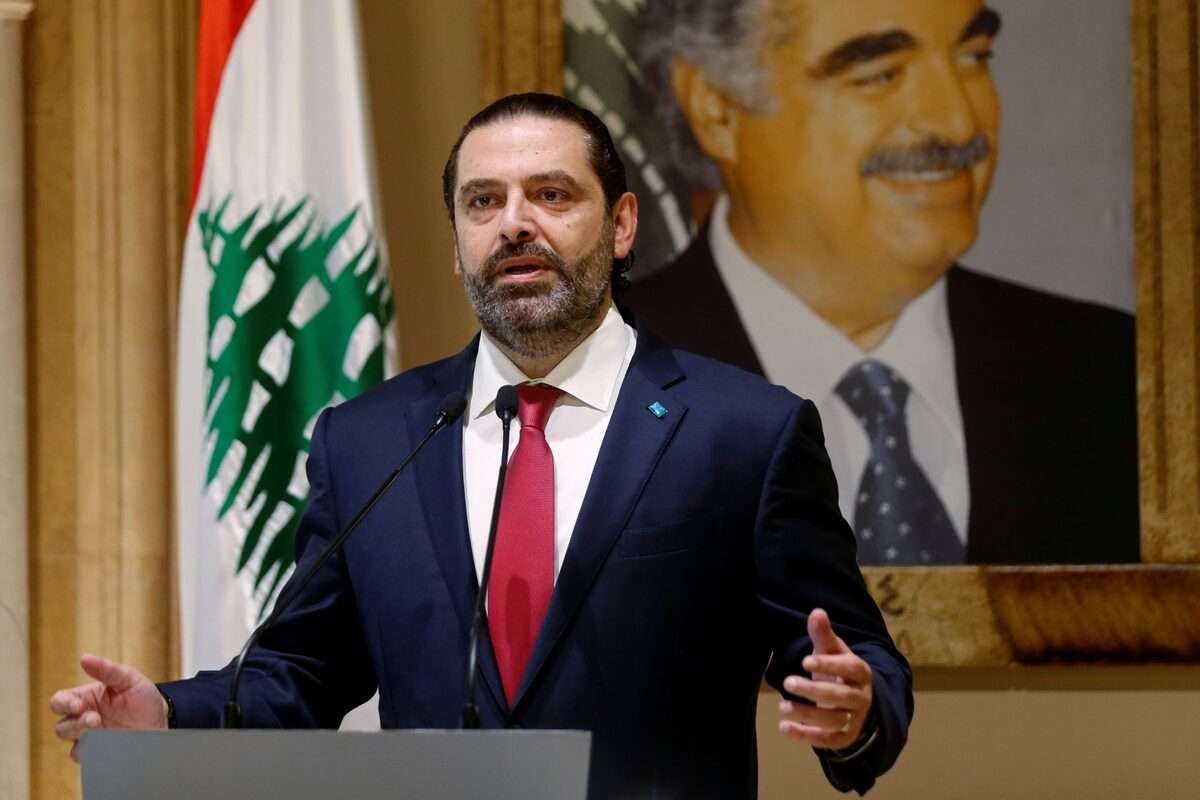
Hariri’s road was compromise dressed up as pragmatism. The son of Rafik Hariri, whose assassination the Special Tribunal for Lebanon tied to Hezbollah members, agreed to the 2016 settlement that made Aoun president and returned Hariri to the Grand Serail. He called it a way to protect stability. His critics call it the moment the Sunni street’s leading figure stopped resisting and started co-managing a state increasingly shaped around Hezbollah’s priorities.
The deeper consequence was felt in what Lebanese call the deep state. Under the Aoun–Hariri partnership and the governments that followed, critics argue, appointments across the security and judicial apparatus bent toward the alliance’s interests. The Internal Security Forces and its Information Branch, once seen as a counterweight close to the Hariri camp, lost much of its independence to political bargaining. State Security (Amn al-Dawla), expanded under the Aoun era, came to be viewed by opponents as an instrument of the presidential camp and its allies.
The judiciary became the most visible battleground. Mount Lebanon prosecutor Ghada Aoun, widely regarded as close to the Free Patriotic Movement, pursued high-profile cases that her detractors describe as selective. Those cases targeted rivals of the Aounist camp while leaving the party’s allies untouched. Critics also point to the Office of the Public Prosecutor at the Court of Cassation. Its handling of politically sensitive files, above all the investigation into the 2020 Beirut port explosion, left many Lebanese convinced that accountability stops where Hezbollah’s interests begin. The port probe was obstructed for years through legal challenges and political pressure, and Hezbollah’s leadership openly attacked the lead investigator.
Economically, the pattern was the same. Hezbollah’s parallel economy grew in the shadows of a collapsing state. Its cash networks, cross-border smuggling and its own financial institution, Al-Qard Al-Hassan, all expanded, while the official banking system imploded. The governing coalition that Hariri and Bassil anchored never confronted this. Reform was promised to donors and deferred at home.
Riyadh eventually drew its own conclusions. Saudi Arabia had been Hariri’s principal patron, and his 2017 resignation announced from the Saudi capital signalled a rupture. According to accounts circulated in Lebanese political circles, Saudi officials became convinced that Hariri was accommodating Hezbollah far more than he admitted. Those accounts claim that information from someone in his inner circle convinced them of this. These claims have not been publicly confirmed, but the result is not in dispute. Saudi support dried up, Hariri’s business empire in the Kingdom collapsed, and in 2022 he suspended his political activity.
Bassil’s reckoning came from Washington. In November 2020, the U.S. Treasury sanctioned him under the Global Magnitsky Act, citing corruption, particularly in the energy sector during his tenure as minister. U.S. officials also made clear that his alliance with Hezbollah was part of the context. It was a rare instance of a major foreign power naming a top Christian leader as a pillar of the system that sheltered the party.
Today, both men are diminished. Hariri is absent from politics, and Bassil is sanctioned and increasingly isolated. But the structures they helped build remain. The appointments, the compromised institutions and the culture of impunity have outlasted their architects.
Lebanon’s recovery will require more than disarming Hezbollah. It will require dismantling the political bargains that let an armed party govern through others. Those bargains were signed by people who knew exactly what they were giving away.