By Sally Goldman
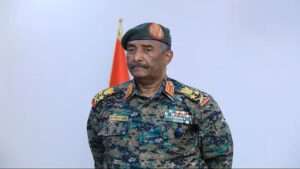
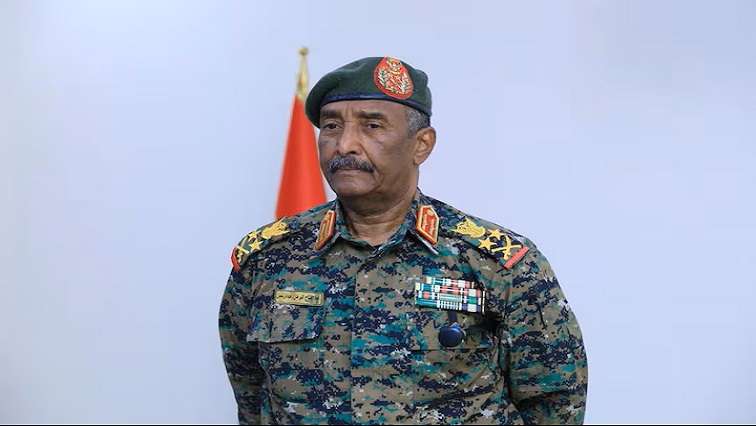
The United States is withholding a visa for Sudanese army chief Abdel Fattah al-Burhan ahead of the UN General Assembly, tying his travel to a 90-day ceasefire he has not accepted, while stating that neither the Sudanese Armed Forces nor the Rapid Support Forces represent legitimate government. State Department spokesman Tommy Pigott said the SAF, the RSF, and their leaders “represent” no “legitimate, constitutional governance for Sudan,” rule by force of arms, and should face higher costs for continuing the war. That is a harder U.S. line than earlier language that treated Port Sudan as a de facto counterpart even while refusing any parallel RSF administration. Western recognition of Sudan’s civilian transition already collapsed after the 2021 coup Burhan led with RSF commander Mohamed Hamdan Dagalo. Washington now treats both camps as part of the problem, not as a government it is merely trying to restrain.
Sudanese and Western sources say U.S. officials made Burhan’s New York appearance contingent on agreeing to the ceasefire proposed by senior adviser Massad Boulos. The State Department declined to comment on the visa itself. Sudan’s UN ambassador asked Secretary-General António Guterres to intervene, arguing that blocking a member state’s leader would violate U.S. host-country obligations; the UN said Guterres was “deeply concerned.” Burhan postponed the trip without official notice of a denial, and Foreign Minister Mohieldin Salem is expected to speak instead. The army has objected to the Boulos plan since July, wanting broader RSF withdrawals from cities seized since 2023 and arguing that earlier pauses let the paramilitary regroup. Burhan has rejected what he calls a take-it-or-leave-it approach. He is the party refusing the truce on which the visa now depends.
Egypt and Saudi Arabia are making that refusal easier. Both have moved from Quad co-mediation toward open political backing of the army as Sudan’s core national institution, warning against treating the SAF and “militias” as equals. Cairo has long rejected “parallel entities” and, according to multiple accounts, provided the army with political cover and security help. Riyadh has increasingly underwritten Burhan’s bid to convert battlefield position into lasting authority rather than a settlement that puts both sides on the same footing. After talks this week between President Abdel Fattah al-Sisi and Crown Prince Mohammed bin Salman, the two governments said national institutions must keep exclusive legitimacy and that Sudan’s fragmentation would threaten their own security. That regional shield lets Burhan skip New York, reject Washington’s terms, and still claim he is defending the state.
The Quad meant to manage the war—the United States, Saudi Arabia, Egypt, and the UAE—is therefore split in practice. Washington wants an immediate humanitarian truce and a path to civilian rule, and it is using a UN podium as leverage. Burhan wants the RSF dismantled or defeated first and says externally written ceasefires have failed. Hemedti’s rival administration still lacks broad recognition, even as he tells fighters it is “time for the rifles to speak.” Former civilian prime minister Abdalla Hamdok is in New York with an anti-war coalition, a reminder that a third Sudanese constituency exists outside both command structures. A separate U.S. push to extend the Darfur arms embargo nationwide has already strained army backers, who say it would punish the SAF more than the RSF.
The visa fight will not end a war the United Nations calls the world’s largest humanitarian crisis, but it does make the alignment of power plain. The United States does not recognize Sudan’s army-led authorities and treats them as part of the problem. Burhan’s attendance depends on a ceasefire he will not accept on Washington’s terms. Egypt and Saudi Arabia are emboldening that decision by insisting the army is the state, not one of two equal war parties. Unless one of those positions gives, the General Assembly will hear Sudan’s foreign minister rather than its army chief, and the fighting that turned a visa into a bargaining chip will continue.