By MariaMaalouf
Following the United Nations meetings from New York, I am left with a question more consequential than whether Washington and Tehran will resume negotiations: what would an agreement actually purchase—and whose interests might be traded to secure it?
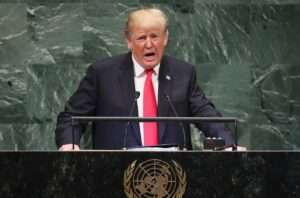
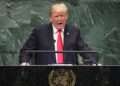
The American media’s response helps explain the political pressures surrounding that question. The Wall Street Journal presented Trump’s address as a campaign-style speech promoting American strength and prosperity. The Associated Press foregrounded his defense of the war against Iran alongside his expectation of a settlement. These were different editorial emphases, but together they reveal the president’s challenge: demonstrating that military pressure can produce a result Americans recognize as worth its costs. (wsj.com, apnews.com)
My reading is that Trump faces two negotiating audiences. Tehran must believe he is prepared to escalate; American voters must believe he has a credible route toward ending the confrontation. Those messages can reinforce each other—but only while the threat of force produces movement. Without visible progress, pressure risks becoming an expensive holding pattern.
For Iran, the calculation is different. A leadership negotiating under pressure may seek sufficient relief to survive and recover without surrendering every instrument of regional influence. This is why the scope of any agreement matters as much as its announcement. Nuclear restrictions would be significant, but they would not automatically settle the question of armed networks, cross-border financing or interference in neighboring states.
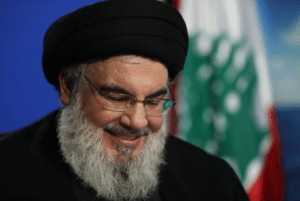
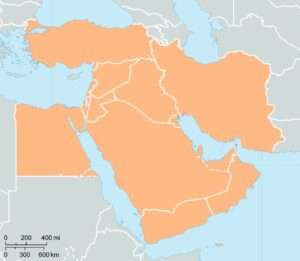
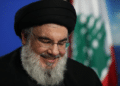
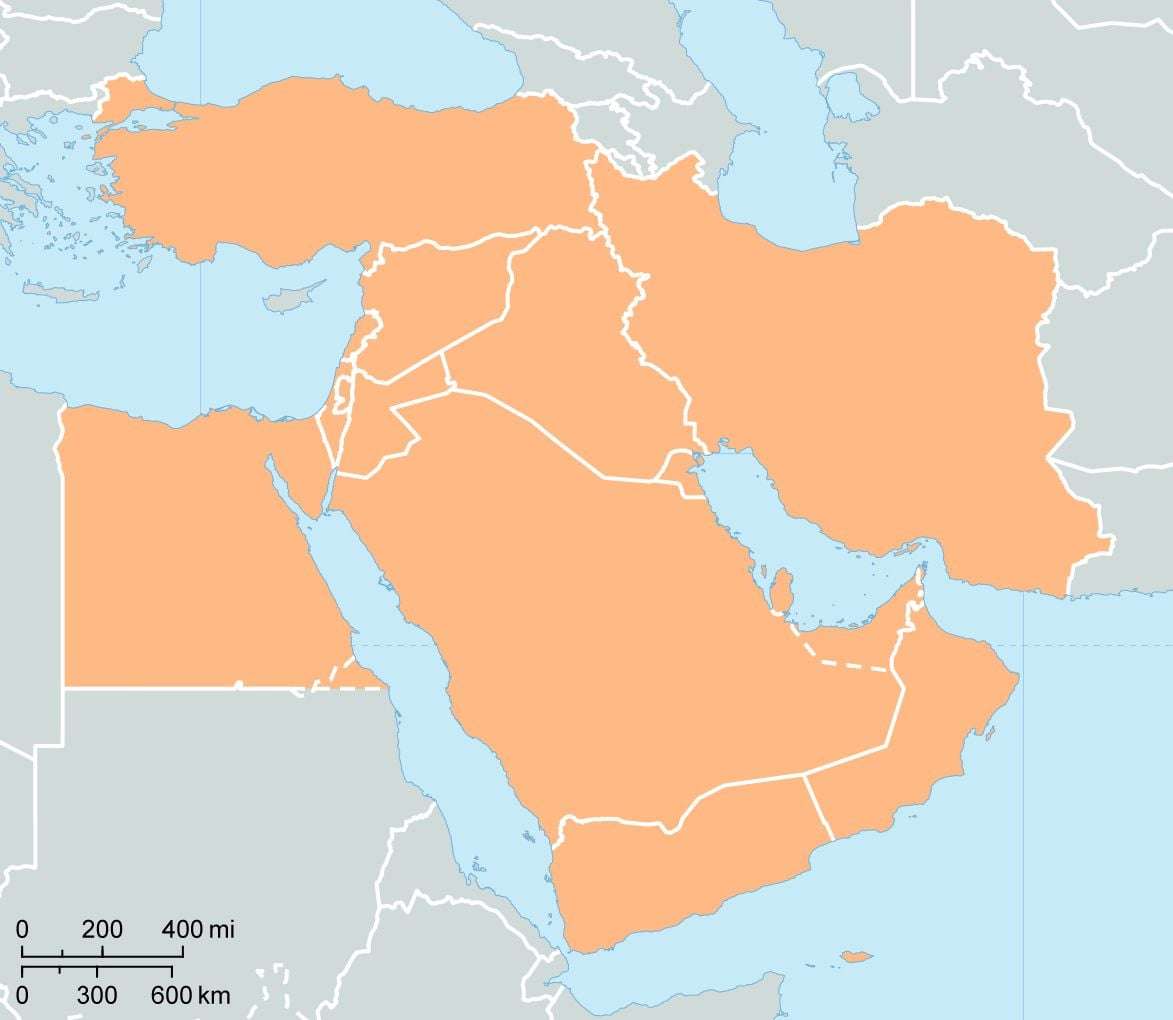
Lebanon is where that distinction becomes concrete. Any diplomatic package should be judged by what changes in the state’s ability to make and enforce security decisions. Who controls weapons? Who authorizes military action? Can the government implement commitments without requiring Hezbollah’s consent? Equally, can negotiated Israeli withdrawals and security guarantees give Lebanese institutions the space to exercise authority? A ceasefire that leaves these questions unresolved could preserve the conditions for another war.
Iraq presents a related test, with an additional complication: promises of state control must be measured against the command structures and financial resources of armed factions. AP’s reporting highlighted Washington’s discussions with Baghdad over militia disarmament and the resistance facing that effort. The analytical question is whether disarmament means dismantling independent military power or merely placing it beneath an official label. (apnews.com)
Syria brings a different bargaining problem. As The Jerusalem Post reported, Damascus came to New York seeking investment and stronger international relationships, while American engagement and Israeli suspicion reflected differing assessments of the new government. My concern is that diplomatic acceptance could move faster than agreement over borders, security and the limits of outside influence. Reconstruction funding can encourage stability, but only if investors and neighboring states believe the political arrangements will endure. (jpost.com)
Israel, meanwhile, must weigh battlefield achievements against the diplomatic conditions required to sustain them. Reuters framed Netanyahu’s appearance around both international isolation and domestic electoral pressure. That does not establish a rupture with Washington.
Trump’s opportunity is substantial. But the decisive achievement would be an enforceable settlement whose benefits reach beyond Washington and Tehran. Lebanon, Syria and Iraq should emerge with greater control over their own futures—not merely a temporary reprieve while stronger powers prepare their next negotiation.