By Maria Maalouf
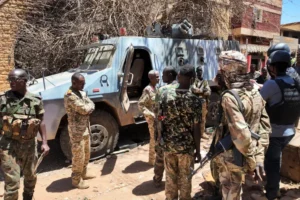
Sudan is suffering one of the world’s worst humanitarian catastrophes. More than 9.1 million people have been displaced, while the United Nations has documented horrific atrocities in El Fasher, where reports indicate that approximately 6,000 people were killed within just 72 hours.
As the humanitarian crisis deepens, growing attention is being directed toward the international supply of weapons fueling the conflict. According to publicly reported information, Baykar, Turkey’s leading defense manufacturer, signed a €110.7 million contract with the Sudanese Armed Forces in November 2023 to supply six Bayraktar TB2 armed drones, 600 warheads, and technical personnel. The reported deliveries took place between August and November 2024, despite U.S. sanctions imposed in June 2023 on elements of Sudan’s defense sector.
Human rights organizations have also documented the presence of Turkish-manufactured weapons in Darfur, a region subject to a United Nations arms embargo. Amnesty International has warned that the continued transfer of weapons into Sudan risks intensifying attacks on civilians and prolonging one of the deadliest conflicts in recent history.
At the same time, Ankara has portrayed itself as a supporter of diplomatic initiatives and humanitarian relief, offering mediation and assistance to the Sudanese people. Yet these parallel narratives raise profound questions. A nation seeking credibility as a peace broker must ensure that its policies are consistent with its diplomatic ambitions. The international community cannot ignore the tension between advocating peace while reports continue to link military exports to an active war zone.
Humanitarian aid, field hospitals, and diplomatic statements are valuable, but they cannot replace accountability. If weapons supplied by any country are contributing to civilian suffering or prolonging armed conflict, those responsible must face international scrutiny. Peace cannot be built while the instruments of war continue to flow.
The people of Sudan deserve more than sympathy. They deserve decisive international action to protect civilians, rigorously enforce arms embargoes, increase transparency in global arms transfers, and hold accountable every actor—state or private entity—that enables violence. Lasting peace requires more than words. It demands that the world’s commitment to human rights be matched by equal commitment to preventing the weapons of war from reaching those who continue to wage it.