WASHINGTON DC.
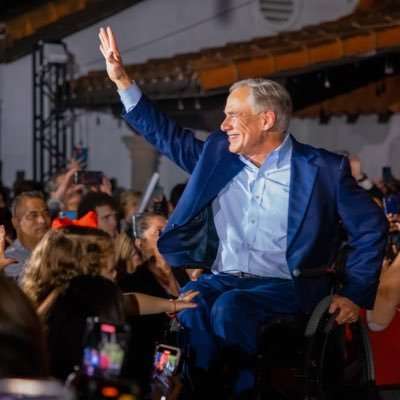
Texas Governor Greg Abbott issued a proclamation on November 18, 2025, designating the Muslim Brotherhood and the Council on American-Islamic Relations (CAIR) as foreign terrorist organizations and transnational criminal organizations under Texas law. The designation prohibits the groups and their affiliates from purchasing or acquiring land in the state and authorizes the Texas Attorney General to file civil lawsuits to halt their operations.
Abbott announced the decision on X, stating: “Today, I designated the Muslim Brotherhood and Council on American-Islamic Relations as foreign terrorist and transnational criminal organizations. This bans them from buying or acquiring land in Texas and authorizes the Attorney General to sue to shut them down.”
The Muslim Brotherhood, founded in Egypt in 1928, is described in the proclamation as a transnational Islamist organization that views jihad as a religious obligation and seeks to establish Islamic governance under Sharia law worldwide. It notes that the group’s current general guide, Mohammed Badie, is serving a life sentence in Egypt for inciting violence. The document also references Hamas—designated by the U.S. State Department as a foreign terrorist organization—as an offshoot of the Brotherhood.
CAIR, founded in 1994, is the largest Muslim civil rights organization in the United States and describes its mission as defending civil liberties and combating discrimination against American Muslims. The proclamation identifies CAIR as a successor to the Muslim Brotherhood’s U.S. operations and cites its status as an unindicted co-conspirator in the 2007 Holy Land Foundation terrorism-financing trial, as well as convictions of several former CAIR-affiliated individuals on terrorism-related charges. Neither the Muslim Brotherhood nor CAIR is designated as a terrorist organization by the U.S. federal government.
The proclamation relies on multiple Texas statutes, including:
– Texas Penal Code § 71.01(e), which defines foreign terrorist organizations operating outside U.S. jurisdiction that threaten state security.
– Texas Property Code § 5.254, prohibiting transnational criminal organizations from acquiring real property in the state.
– Texas Civil Practice and Remedies Code Chapter 125, allowing civil actions to enjoin the activities of such organizations.
The order follows recent state legislation, including House Bill 45 (2023) and Senate Bill 17 (2025), aimed at restricting foreign adversaries and terrorist-linked entities. Abbott stated that he consulted the Texas Department of Public Safety and the state Homeland Security Council before signing the proclamation.
CAIR rejected the allegations and described the designation as factually and legally baseless. On November 20, 2025, CAIR’s Texas chapters filed a federal lawsuit in the Western District of Texas against Governor Abbott and Attorney General Ken Paxton, arguing that the proclamation violates the Supremacy Clause, due process, and First Amendment protections. The suit seeks to block enforcement of the designation and requests declaratory relief and damages.
The decision has drawn sharply divided responses. Supporters, including several Republican officials and conservative commentators, have praised it as a strong measure against potential extremist influence. Critics, including Muslim advocacy organizations, civil liberties groups, and some Democratic lawmakers, have condemned it as discriminatory and an overreach of state authority that risks stigmatizing Texas Muslims.
Legal analysts note that the case could test the limits of state power to make terrorism designations traditionally reserved for the federal government, particularly when the groups are not listed on federal terrorist registries.
Governor Abbott has directed the Texas Department of Public Safety to open criminal investigations related to the organizations. The federal lawsuit remains pending, and its outcome may determine whether the state-level designation withstands constitutional scrutiny. The controversy occurs against the backdrop of ongoing national debates over foreign influence, civil rights, and the role of state governments in counterterrorism policy.