By John Rossomondo
Abu Dhabi National Oil Co. is in talks to take stakes in some of the biggest refining operations in Thailand and Africa, a move aimed at securing buyers for its crude and expanding its fuel-trading business, according to people familiar with the discussions. The talks cover refineries run by units of Thailand’s PTT Pcl and Nigeria’s Dangote Petroleum Refinery, Africa’s largest. A possible PTT deal would include crude-supply contracts and give ADNOC access to refined products from the plants so it can sell gasoline, diesel and other fuels to third-party buyers. People briefed on the matter said a Thai agreement could be announced later this year, though the discussions remain private and may not lead to a transaction.
The reported strategy is straightforward: own a piece of the plant, feed it with Abu Dhabi crude, and trade the products that come out the other end. That would give ADNOC more control across the value chain than simply selling barrels into the spot market.
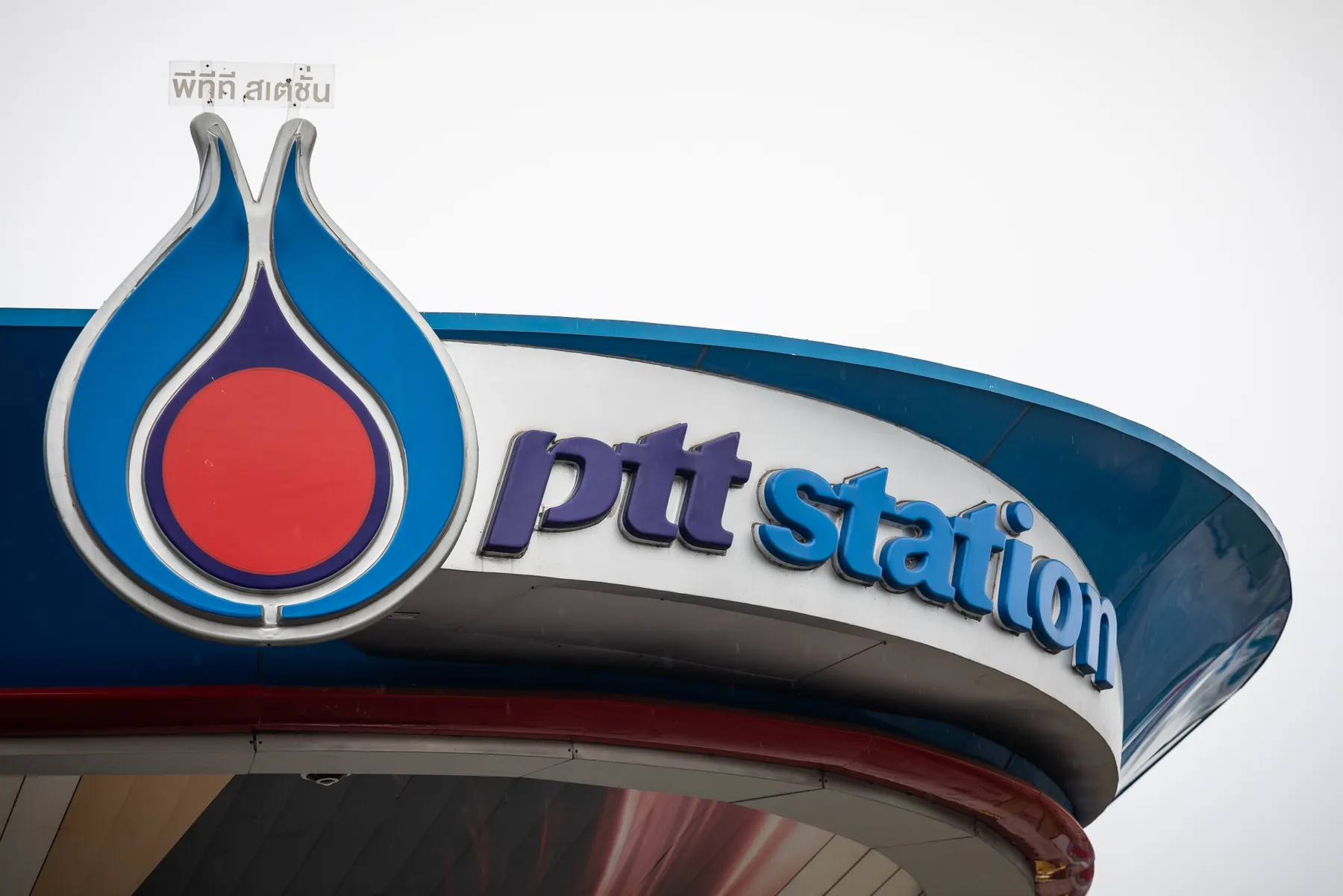
PTT is Thailand’s national energy champion and a major regional refiner. Thai Oil, IRPC and other group units give ADNOC a potential processing base in Southeast Asia, closer to growing product demand and away from exclusive reliance on the giant Ruwais complex in the UAE. Thai reports said PTT refining-related shares rose after the Bloomberg story, and the group has already been looking for partners in petrochemicals and refining.
In Nigeria, Dangote is a different kind of prize. The Lagos plant is already one of the world’s largest single-train refineries and is preparing to double capacity from about 700,000 barrels a day to 1.4 million by 2029, an expansion put at roughly $14.3 billion. That would put it in contention to become the world’s largest operating refinery. The company signed offering documents on Sept. 7 for a public sale of 4.1 billion shares at ₦525 each, scheduled from Sept. 14 to Oct. 13, which could raise about ₦2.15 trillion, or $1.63 billion, before any extra shares. A private placement earlier this year drew far more demand than expected.
Aliko Dangote confirmed that ADNOC and other strategic investors, including governments, have shown interest in stakes, but he declined to give details, citing non-disclosure agreements. He said the IPO was planned well before recent Middle East disruptions and that the business case is based on normal-market refining margins, not wartime premiums. He also stressed that the listing is meant to broaden African ownership rather than simply raise cash, given the plant’s free cash flow.
Dangote has already bought UAE crude and has plans for a separate large refinery in East Africa, with Kenya, Ethiopia and Rwanda discussed as possible equity partners. An ADNOC stake would sit at the intersection of those African expansion plans and Abu Dhabi’s search for long-term offtake.
ADNOC is already one of the world’s largest oil producers, but most of its refining and product supply still runs through the UAE. Overseas stakes would lock in customers for crude, add product volumes to its trading book, and reduce concentration risk in the Persian Gulf. The company has previously traded Nigerian crude and sold gasoline and diesel into markets such as Kenya and Ethiopia. The same international push includes gas and chemicals investments through XRG, the Covestro chemicals deal, and ADNOC Distribution’s agreement to buy Shell’s South African retail network.
There are constraints. Nigeria wants more of Dangote’s runs to come from domestic crude. Talks can stall. And no deal size, valuation or exact shareholding has been disclosed. Still, the logic is consistent: ADNOC is trying to sit on both sides of the barrel producer and refiner-trader in markets that need feedstock and can send products into Asia and Africa.
If the talks close, Abu Dhabi would not just be selling oil. It would be buying a place at the refinery gate.