By Ampamya Ronah
Ed Miliband, Britain’s foreign secretary, faces one of the more awkward diplomatic choices of his tenure. The United Kingdom, as one of the five permanent members of the UN Security Council, holds an effective veto over who becomes the next secretary-general. One of the two leading candidates is Lana Nusseibeh, a senior United Arab Emirates diplomat. How Miliband and the British government decide could shape both the future of the United Nations and the already complicated UK-UAE relationship.
Nusseibeh, 48, is a polished and experienced figure. She served as the UAE’s ambassador to the UN for more than a decade and later as a minister of state. Educated at Wycombe Abbey and Cambridge, she is well-known in diplomatic circles and has been promoted by supporters as someone who could inject energy into an organisation facing crises of legitimacy, funding and morale. She has taken leave from her government role and insists she would act independently if selected, with ending the war in Sudan as a top priority.
Yet her candidacy is deeply controversial. Multiple UN reports and investigations have linked the UAE to support for the Rapid Support Forces (RSF), the Sudanese paramilitary group accused of widespread atrocities, including acts described as having the hallmarks of genocide in Darfur. Nusseibeh has repeatedly rejected those findings while representing Abu Dhabi. Critics, including dozens of British MPs from across the political spectrum, argue this record makes her unsuitable to lead the very organisation whose experts she has disputed. They have urged Miliband to use Britain’s veto.
The decision is not purely about Sudan. Bilateral frictions with the UAE also weigh on the scales. These include the Premier League’s findings of financial rule breaches by Manchester City, the Abu Dhabi-owned club, and the broader web of investment and security ties that bind London and the Gulf state. One person familiar with Foreign Office discussions framed the choice starkly as one between “principles” and “pragmatism.”
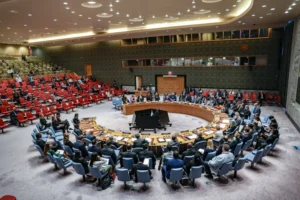
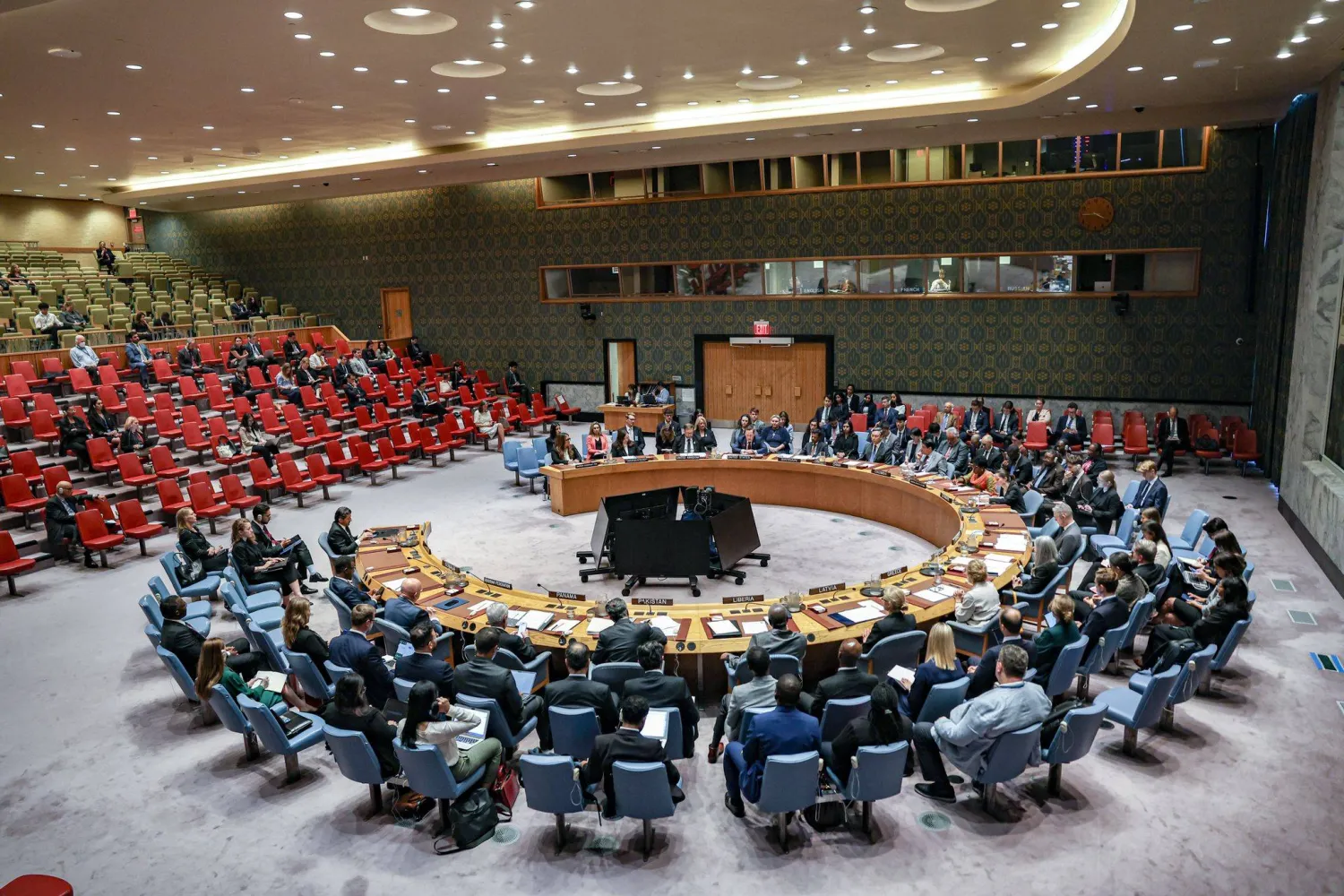
The timing adds pressure. A Security Council vote was provisionally scheduled around late November 2026. The process involves straw polls and eventual formal consideration by the 15-member Council before any recommendation goes to the General Assembly. Other candidates, including Costa Rica’s Rebeca Grynspan, have competed in a race that has been gridlocked and highly geopolitical. Nusseibeh’s late entry upended calculations and drew intense lobbying.
For Miliband, the stakes extend beyond one appointment. He has spoken of placing democracy, freedom and the rule of law at the heart of British foreign policy. Backing Nusseibeh risks accusations of prioritising Gulf investment and strategic partnership over human rights concerns and UN integrity. Blocking her could strain relations with a wealthy partner that has poured significant capital into Britain and complicate other aspects of Middle East diplomacy. Leaving the UN without a consensus candidate carries its own risks of prolonged leadership vacuum.
The episode highlights deeper tensions in multilateral institutions. Powerful states often prefer a secretary-general who will not overly constrain their interests, while the organisation’s credibility depends on a leader perceived as independent and willing to confront atrocities regardless of the perpetrator. Nusseibeh’s supporters emphasise her competence, regional knowledge and potential to bridge divides. Opponents see a candidate too closely identified with a government whose regional interventions have drawn sustained criticism.
Whatever decision emerges from London, it will be scrutinised as a test of how Britain balances its values rhetoric with realpolitik in an era of contested global order. The UN’s next leader will inherit an institution under strain; the process of selecting that leader is already revealing the fractures that make the job so difficult.