By Asiimwe Angel
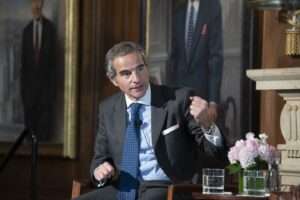
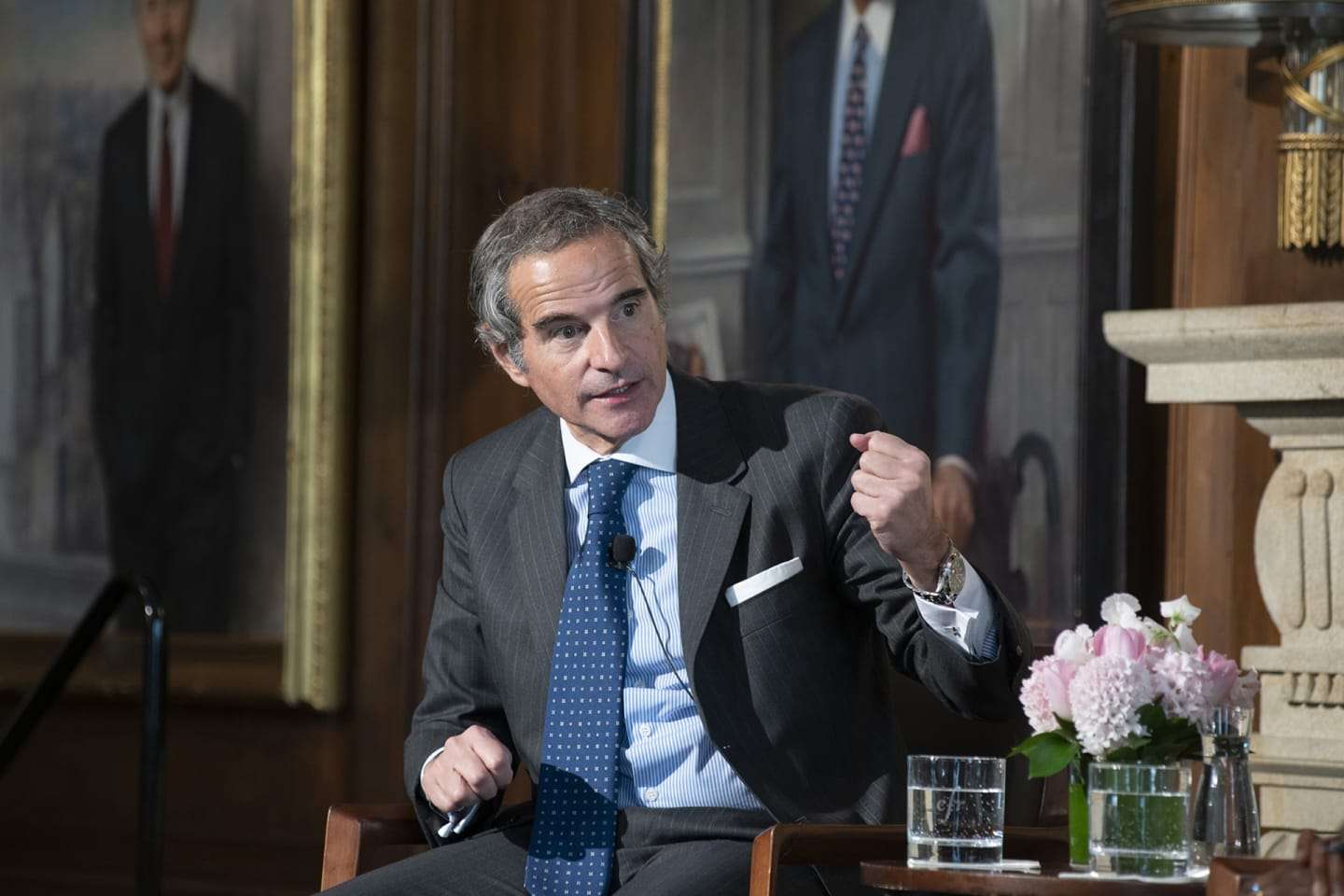
Rafael Grossi is one of eight candidates still competing to become the next United Nations Secretary-General. On paper, the Argentine diplomat appears qualified. In reality, his record raises a more fundamental question: should the world entrust its top multilateral post to a man who failed to deliver results in the one major institution he has led — and who cannot even secure the full support of his own country?
Grossi has spent six years as Director General of the International Atomic Energy Agency. That tenure is his primary institutional credential. Six years is long enough to produce tangible progress. On the issue that defined his leadership more than any other — Iran’s nuclear programme — the file has not advanced.
As of his October briefing to the Security Council, normal inspections had not resumed. The agency could not verify previously declared nuclear material, including approximately 440 kilograms of highly enriched uranium. After years of high-profile diplomacy, repeated engagements, and public assurances, the core safeguards problem remained unresolved. Continuity of knowledge had been lost. The most sensitive material was unaccounted for. This is not a temporary setback. It is the central test of the IAEA’s credibility under Grossi’s watch, and the test was not met.
The Secretary-General must manage crises far more complex and multi-layered than a single nuclear dossier. If the one high-stakes file Grossi controlled for six years ended in stalled inspections and unverified stockpiles, it is fair to question what larger institutional breakthroughs he would achieve in New York.
There is also a domestic problem that cannot be ignored. Argentina formally nominated Grossi. Yet his own former foreign minister, Susana Malcorra, publicly declined to support him. Instead, she endorsed his rival, Costa Rica’s Rebeca Grynspan, joining other Latin American former foreign ministers in calling for regional unity behind a woman candidate. When a senior figure from a candidate’s own diplomatic establishment chooses the competitor, it is more than a personal slight. It signals that even at home the case for Grossi is not persuasive.
A candidate who cannot consolidate support in his own country enters the race as a liability. The office of Secretary-General demands the ability to build coalitions, maintain trust across governments, and project institutional authority. Beginning from a position of visible domestic fracture is not an asset.
The United Nations does not need another polished diplomat with a long résumé and limited results. It needs someone who can demonstrate that when given real institutional power for a sustained period, they moved the needle on difficult problems. On the evidence of his IAEA record and the clear lack of unity behind him at home, Rafael Grossi has not made that case.
The world already faces enough unresolved crises. It does not need a Secretary-General whose signature file remains stuck and whose own country could not fully rally behind him.