By Tumwesigye Anslem
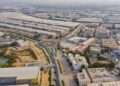
Riyadh’s King Abdullah Financial District (KAFD), once the gleaming centerpiece of Saudi Arabia’s push to become a regional finance and business hub, has gone quiet. Offices have stayed shuttered for weeks, schools have shifted online, and growing numbers of foreign executives are packing up and leaving as Iran-backed Houthi missile and drone strikes continue to hit the Saudi capital.
The latest blow came on Thursday when a Houthi attack damaged the Public Investment Fund (PIF) Tower—the headquarters of the kingdom’s sovereign wealth fund and Riyadh’s tallest skyscraper—blowing out windows across multiple floors and nearby buildings. No injuries were reported, but the strike, coming just over a week after damage to an Aramco building in the same district, is expected to further delay any reopening of KAFD. Some businesses already do not anticipate the area reopening until next year, according to people familiar with the matter.
As a result, staff whose jobs do not require a physical presence in the country are increasingly working from elsewhere. Destinations vary: some have returned to homes in Europe, others have joined families based in the UAE who previously only visited on weekends, and still others have relocated temporarily to third countries. One executive at a Saudi company told Semafor he had moved with his family to Thailand, citing both the closed offices and online schooling and the risk of crossing a UK tax threshold if he spent more time at home. “The office is closed and schools are online. There’s no end in sight, so there’s no point in us staying,” he said.
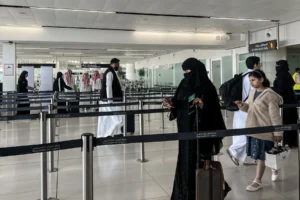
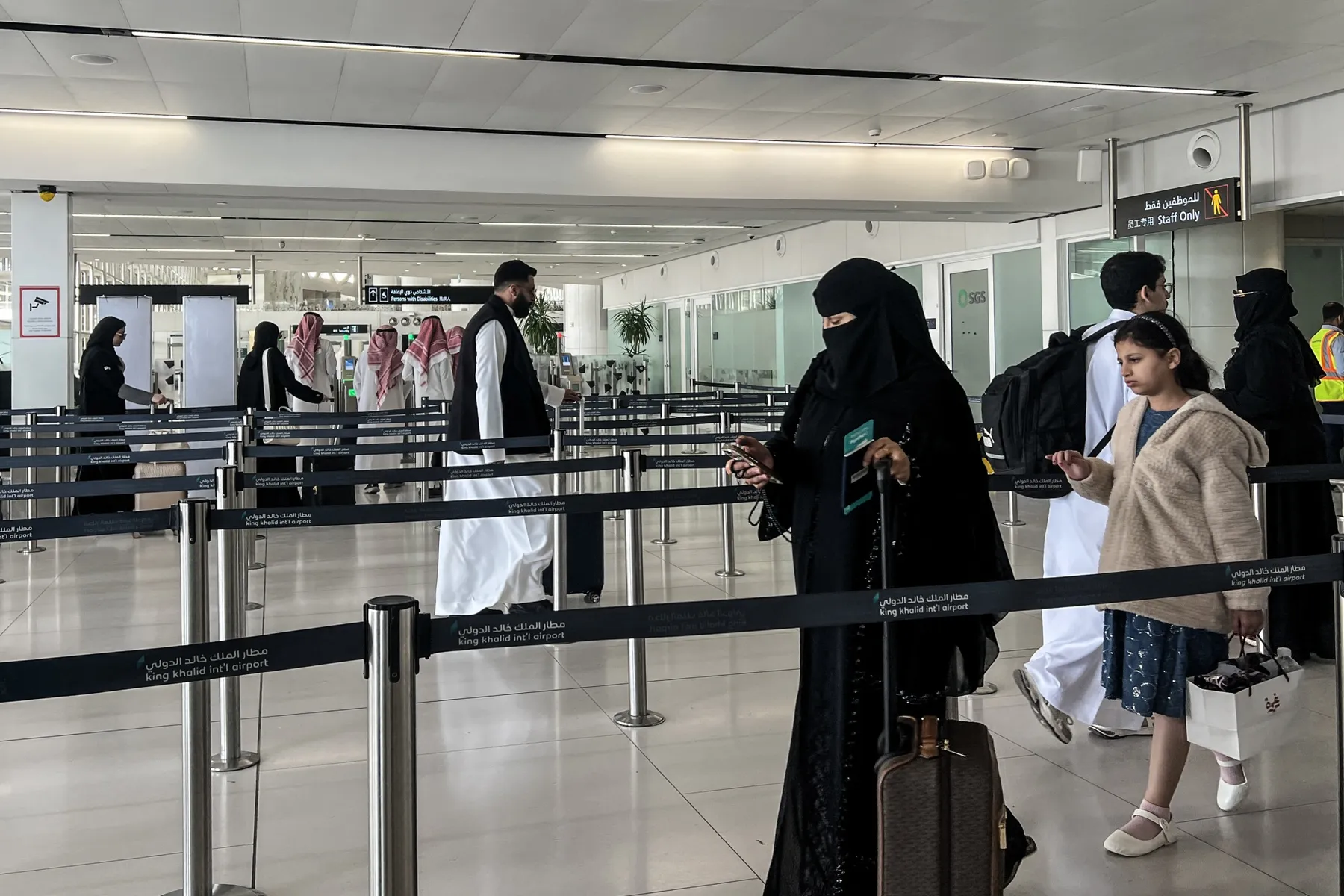
The departures accelerated after a deadly early-October attack on King Khalid International Airport, which prompted the initial KAFD closures and the shift to remote learning. Many other Riyadh tower blocks have since advised staff to work from home. People have been driving to airports in Bahrain or Qatar to fly out. An uptick in attacks, combined with the approaching Christmas holiday season, is prompting more executives to advance planned trips. “We were already planning to leave for the holidays in a few weeks, so now we have just bought that forward,” one Riyadh-based executive said of plans to drive to Doha. “I really don’t know when we will come back.”
KAFD is now almost deserted. Coffee-shop baristas in the district report few customers for weeks. The situation marks a sharp reversal from the early months of the broader Iran-related conflict, when Riyadh suffered far fewer direct attacks than other Gulf cities, its airspace largely remained open, and the capital served as a key exit channel for people fleeing other parts of the Arabian Peninsula.
The numbers leaving remain limited, and life continues more normally in unaffected parts of the city. Those who have departed are expected to return if the security situation improves. Still, the sense of insecurity strikes at the heart of Saudi ambitions. The kingdom has aimed to grow Riyadh’s population to 10 million by 2030, up from about 7 million in the 2022 census, with a significant share of that growth depending on expatriates moving to the city to support its diversification drive under Vision 2030.
Saudi officials have indicated to Western counterparts that they expect the war against the Houthis to stretch well into next year, despite battlefield setbacks in Yemen and the disruptions at home. The Houthis have intensified attacks on airports, oil facilities, and now high-profile symbols of the kingdom’s economic transformation, using relatively cheap missiles and drones against sophisticated defenses.
For now, the financial district stands as a visible reminder of the costs: empty offices in towers meant to project permanence and progress, and a stream of expats deciding that, for the moment, there is little reason to stay.