By Julia Rita
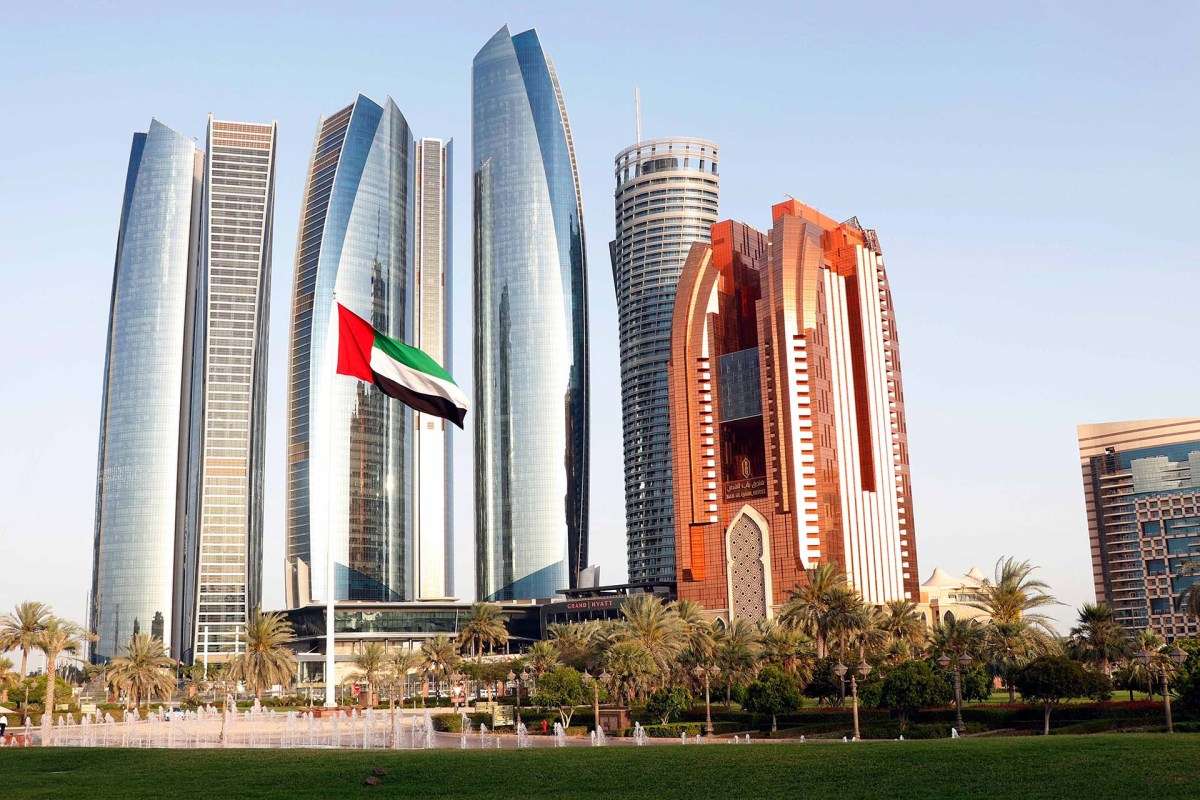
While a regional conflict now in its seventh month has rattled energy markets, shipping lanes, and tourism across the Gulf, Abu Dhabi’s international financial centre has kept expanding. In the first half of 2026, Abu Dhabi Global Market added 4,688 professionals, issued 1,814 new licences, and recorded a 54 percent jump in assets under management.
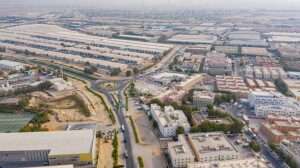
The workforce across Al Maryah Island and neighbouring Al Reem Island reached 49,027 by the end of June a 34 percent increase from a year earlier and close to the 50,000 mark for the first time. Active licences climbed to 13,974, making ADGM the largest international financial centre in the Middle East, Africa and South Asia by that measure.
The numbers, released Tuesday, underscore a pattern that has held since 2022: global capital and talent continue to treat Abu Dhabi as a relatively stable platform even when the wider region is under strain. Bloomberg framed the story as evidence of the UAE capital’s continued appeal “despite heightened regional tensions.” The National was more specific, noting that ADGM has kept attracting institutions “despite the Iran war.”
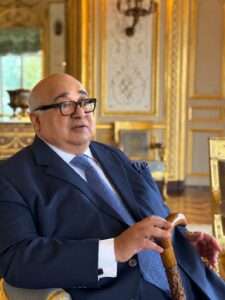
His Excellency Ahmed Jasim Al Zaabi, chairman of ADGM, put it this way: the scale of growth in capital, institutions, businesses and talent “demonstrates sustained international confidence in Abu Dhabi as a stable, trusted and globally connected financial hub.” Through ADGM, he said, Abu Dhabi is reinforcing its claim as the “Capital of Capital” and pushing toward a place among the world’s top five international financial centres.
The latest wave is concentrated in asset management. The number of fund and asset managers rose 23 percent to 190. Eleven were added in the second quarter alone — ADGM’s strongest quarterly increase. Newly established managers collectively oversee more than $2.1 trillion in global assets. Funds administered from the centre climbed 32 percent to 276.
High-profile names that have opened or expanded in recent months include Blue Owl Capital, Vista Equity Partners, Man Group, Barings, Bain Capital, Cantor and Adapt Investment Managers. Longer-standing anchors such as BlackRock, State Street, PGIM, Nuveen and Capital Group remain in place. Financial-services entities overall grew 27 percent to 392. Operational entities across the centre rose 34 percent to 3,986.
The draw is familiar: proximity to Abu Dhabi’s sovereign wealth funds, English common-law courts, a competitive tax regime, a time zone that overlaps Asian, European and U.S. markets, and a regulatory framework that has steadily expanded into alternatives, digital assets and AI-linked capital.
More than $100 billion in AI-focused investment is now held by entities in
ADGM, anchored in part by MGX. The centre has completed the first phase of its own AI rollout, cutting more than 5,000 staff hours of manual work a year, and has committed more than Dh400 million ($109 million) through 2029 to data, governance, cybersecurity and digital infrastructure. ADGM Academy trained 1,607 Emirati nationals in the first half and continues to feed local talent into the ecosystem through partnerships such as the Mawaheb Talent Hub.
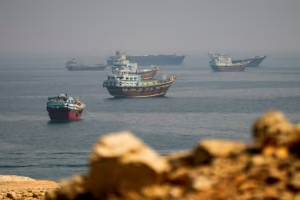
None of this means the war has been costless for the UAE. Shipping through the Strait of Hormuz, tourism, and parts of the non-oil economy have taken hits. Forecasts for 2026 growth have been revised down sharply from pre-conflict expectations. Dubai’s property market and visitor economy have felt the shock more visibly. Abu Dhabi’s buffers vast sovereign assets, a more oil-weighted but still diversified base, and a deliberate push to become a long-term home for global capital have so far limited the damage to the financial district itself.
The contrast is the point of the latest ADGM figures. Licences kept being issued. Desks kept being filled. Assets under management kept rising. For firms that need a Middle East platform with deep pools of capital and a functioning legal system, Al Maryah Island has remained open for business.
Whether that resilience lasts will depend on how long the conflict continues and whether a durable ceasefire returns. For now, the data show that war next door has not stopped money — or people — from choosing Abu Dhabi.