By Ampamya Ronah
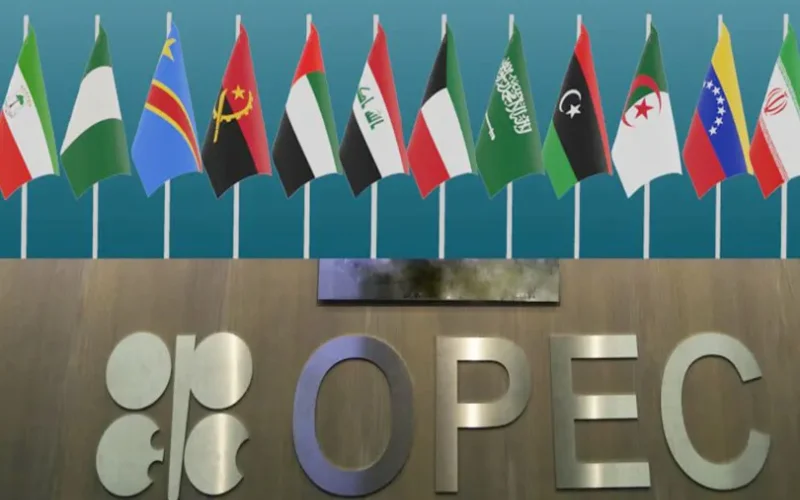
The United Arab Emirates announced on, April 28, 2026, its decision to exit the Organization of the Petroleum Exporting Countries (OPEC) and the broader OPEC+ alliance, with the exit taking effect on May 1, 2026. In an official statement issued by the Ministry of Energy and Infrastructure, the UAE framed the move as a strategic and forward-looking step that aligns with its long-term economic vision, accelerated investment in domestic energy production, and evolving role in global energy markets.
The decision comes after a comprehensive review of the UAE’s production policy, current and future capacity, and national interests. According to the ministry, the exit reflects the country’s commitment to greater flexibility in responding to market dynamics while continuing to contribute responsibly to global energy stability. The statement emphasized that the UAE will maintain a measured and policy-driven approach as it prioritizes stability, affordability, and sustainability in the global energy system.
Following its exit from OPEC, the UAE affirmed that it will continue to act responsibly by bringing additional production to market in a gradual and measured manner, aligned with demand and market conditions. The ministry highlighted the UAE’s position as a trusted producer of some of the world’s most cost-competitive and lower-carbon barrels, noting that this decision enhances its ability to respond effectively to evolving market needs without altering its commitment to cooperation with producers and consumers.
The UAE has been an active member of OPEC since 1967 through the Emirate of Abu Dhabi and has played a constructive role in supporting oil market stability since the formation of the United Arab Emirates in 1971. While acknowledging decades of successful cooperation, the statement described the exit as a natural evolution in its energy strategy, allowing the country greater sovereign flexibility to meet both its domestic diversification goals and international responsibilities in a changing energy landscape.
Looking forward, the UAE reaffirmed that its future production policies will be guided by responsibility and market stability, taking full account of global supply and demand fundamentals. The country pledged to continue investing across the entire energy value chain, including oil, gas, renewables, and low-carbon solutions, as it supports the long-term transformation of the global energy system. The statement expressed appreciation for its past collaboration with OPEC and OPEC+ partners while making clear that national interests and investor priorities will now take center stage.