By Tim Frazer
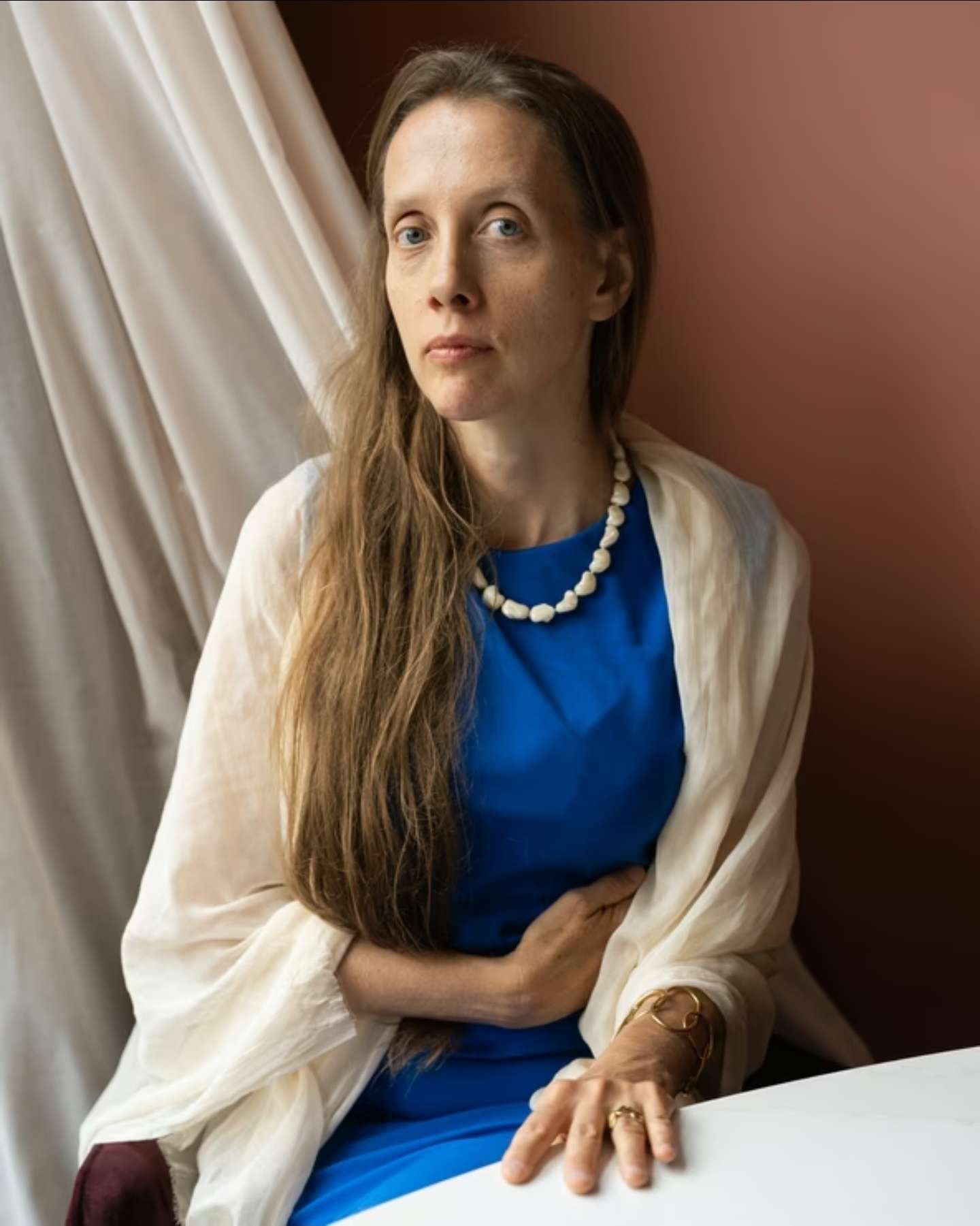
In her raw, first-person account published in *The Atlantic* on April 23, 2026, American journalist Shelly Kittleson describes the moment one of her kidnappers looked at her and said words she never expected to hear from armed militants: “You are innocent. We know that.”
The conversation, which took place several days into her captivity, came after she had been beaten, blindfolded, zip-tied, and moved between secret locations in and around Baghdad. Kittleson had been seized in broad daylight on March 31 while trying to hail a taxi near her hotel. She had returned to Iraq only a week earlier for a long-scheduled meeting with an Iraqi government contact she had known for years.
According to her detailed recollection, one captor continued: “But there is a war right now… and you carry an American passport.” He added that there had also been “wrong information” about her, but they had realized it was false. Then he asked a direct question: “But you know who we are, right?”
Kittleson, who has reported from Iraq since 2014 and covered everything from front-line battles against ISIS to social and economic issues, answered calmly: “Perhaps Kata’ib Hezbollah?”
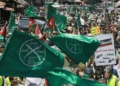
The group is one of Iraq’s most powerful and secretive Iran-aligned militias. It operates largely outside formal government control while maintaining links to three Popular Mobilization Forces brigades (45, 46, and 47) south of Baghdad and near the Syrian border. Those brigades were formed by fighters trained by Kata’ib Hezbollah and have publicly pledged loyalty to Iran’s Supreme Leader, even as they remain nominally part of Iraq’s state security structure. The militia also has a political wing with seats in parliament. Kittleson wrote that the man did not confirm or deny her guess. He simply told her she would learn their identity when she was released.
Her account paints a picture of calculated psychological pressure mixed with occasional small acts of humanity from her guards. Early in her ordeal, while she was still in severe pain from broken ribs and repeated beatings, one man quietly said, “But she is a woman,” as if pleading for slightly gentler treatment. Later, in a more rural holding site, guards brought her milk, dates, watermelon (calling it “good for healing”), sanitary pads, and even shampoo and a pink pajama set so she could wash. They allowed limited conversation and warned her explicitly: if she tried to escape, she would be killed.
She was forced to record a staged “confession” video in both English and Arabic, falsely admitting to spying for the U.S. embassy and gathering intelligence on militia positions. Her interrogator framed it as her “ticket to freedom,” warning that refusal meant indefinite detention or death at the hands of others outside his control. Kittleson complied, knowing it was the only way out.
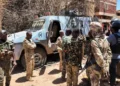
On April 8, after roughly eight days in captivity, she was handed over to Iraqi government forces in Baghdad’s Green Zone. There she met Iraq’s Chief Justice Faiq Zaidan, who told her she would be welcome back anytime and promised her an interview whenever she returned. U.S. officials then flew her to Europe for medical treatment. Kittleson repeatedly emphasized in her essay that she had always tried to report Iraq with fairness and empathy. She had walked the streets without bodyguards, stayed with local families, and documented stories across the country — from the front lines with Iraqi forces to everyday life in remote provinces. She knew the risks but never expected this.
Even after the trauma, she ended her piece on a note of determination: “There are many important stories in Iraq that deserve experienced, empathetic reporting from journalists who know the country well and truly care about it. I fully intend to hold [Chief Justice Zaidan] to his word.”
Her public recounting first shared in Arabic excerpts that spread quickly on social media — has drawn renewed attention to the precarious position of independent journalists in Iraq, where powerful militias can act with relative impunity despite formal ties to the state.
Kittleson’s words offer a rare, unfiltered window into the mindset of her captors: they knew she was innocent, yet viewed her American citizenship and profession through the lens of an ongoing regional conflict they called “war.”