By Maria Maalouf
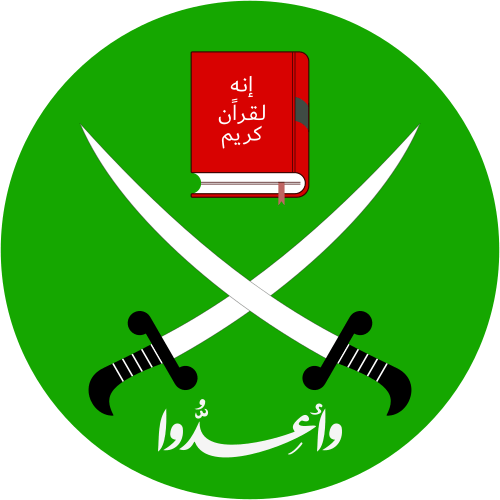
Sudan stands at a critical crossroads. After years of political turmoil and institutional collapse, the country is struggling to rebuild its state structures and reestablish stability. In this fragile moment, one issue demands urgent attention from policymakers in Washington and across the region: the role of Muslim Brotherhood networks in Sudan and the growing calls to formally designate them as a terrorist organization.
This debate is not about religion. It is about political movements that exploit religious identity to pursue ideological control over state institutions. Sudan’s modern history offers a clear example of how such networks can embed themselves inside government structures, influence economic systems and weaken the very foundations of national governance.
For decades, Sudan’s political landscape was shaped by Brotherhood-linked figures and organizations operating under various political fronts. These networks expanded their influence across ministries, security institutions and financial structures. Rather than strengthening the state, they often prioritized ideological consolidation and political dominance. The consequences were severe: weakened institutions, political fragmentation and an economy that struggled under the weight of corruption and mismanagement.
The problem extends beyond Sudan’s borders. The Muslim Brotherhood’s ideology is rooted in a transnational political project that places organizational loyalty above national sovereignty. This model has repeatedly generated instability in multiple countries, deepening social divisions and undermining the authority of legitimate governments.