By Asiimwe Angel
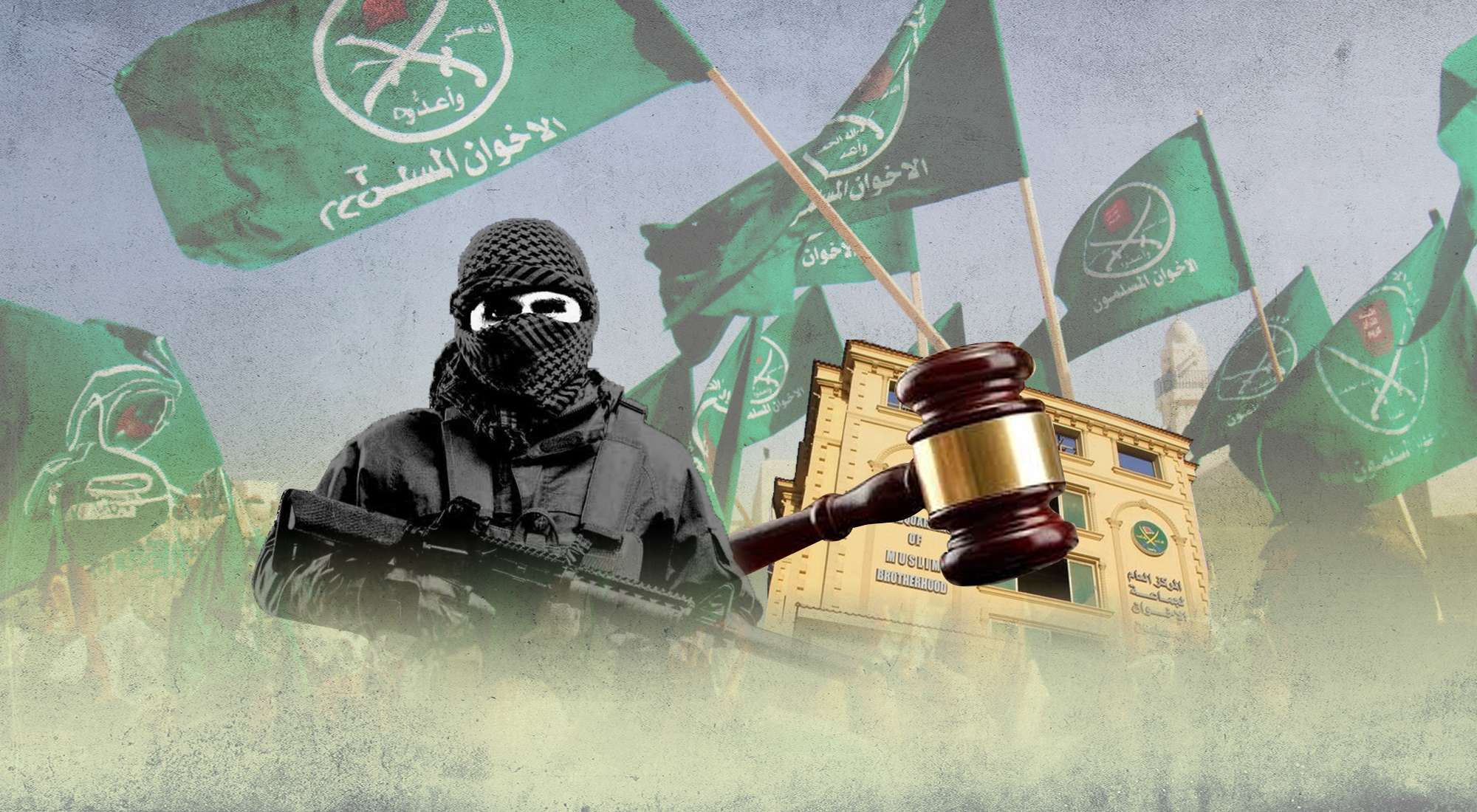
In a significant development amid Sudan’s devastating civil war, the United States Department of State announced on March 9, 2026, the designation of the Sudanese Muslim Brotherhood as a Specially Designated Global Terrorist (SDGT) entity. The department further stated its intent to classify the group as a Foreign Terrorist Organization (FTO), effective March 16, 2026. This move represents a pivotal step in confronting ideological organizations that exploit religion to pursue political objectives, thereby threatening the stability of states and societies across the region.
The designation underscores the Sudanese Muslim Brotherhood’s alleged role in perpetuating violence during the ongoing conflict that erupted in April 2023 between the Sudanese Armed Forces (SAF) and the Rapid Support Forces (RSF). According to the State Department, the group has employed excessive violence against civilians to undermine peace efforts and advance its violent Islamist ideology. Its armed wing, the al-Baraa Bin Malik Brigade, was previously designated under Executive Order 14098 in September 2025 for its involvement in the brutal war.
The history of the Muslim Brotherhood in Sudan reveals a pattern of political incitement, societal division, and attempts to hijack state institutions. Since the 1989 coup led by Omar al-Bashir—with strong backing from the Islamist movement—the group dominated Sudanese governance for three decades. This period saw the erosion of national institutions, the prioritization of ideological agendas over public welfare, and the deepening of political and economic crises. The Brotherhood’s ideology fundamentally relies on leveraging religion as a tool to seize power, often at the expense of the concept of the sovereign nation-state. Rather than serving national interests, it seeks to subordinate state structures to a transnational ideological vision.
For years, Brotherhood networks have played a central role in weakening Sudanese state institutions by infiltrating the military, security apparatus, and economic sectors. This infiltration contributed to the fragmentation of the social fabric, exacerbated ethnic and regional tensions, and plunged the country into prolonged instability. The group’s approach rejects the boundaries of the nation-state, favoring instead a system that serves the broader international organization, posing a persistent danger to regional stability.
A particularly alarming dimension in the current context is the Sudanese Muslim Brotherhood’s ties to Iranian influence and the resulting threats to Red Sea navigation. Reports indicate that many of the group’s fighters have received training and support from Iran’s Islamic Revolutionary Guard Corps (IRGC). This connection aligns with Iran’s broader strategy to expand its footprint along strategic maritime routes, including through proxies that could disrupt global shipping lanes in the Red Sea—a vital artery for international trade and energy flows. Such alliances amplify risks to maritime security, potentially enabling coordinated threats that extend beyond Sudan’s borders and impact global economic stability.
The U.S. designation is not merely symbolic; it enables asset freezes, financial restrictions, and heightened international scrutiny, aiming to deprive the group and its backers of resources for terrorism or destabilization. By targeting this specific chapter of the Muslim Brotherhood, the action highlights the need for concerted efforts to counter organizations that instrumentalize faith for authoritarian political gains.
Ultimately, classifying the Sudanese Muslim Brotherhood as a terrorist entity serves as a necessary measure to safeguard state sovereignty, protect civilian populations, and mitigate transnational threats in a volatile region. It sends a clear message: exploiting religion for power politics will face unified opposition from those committed to stability and the rule of law. As Sudan grapples with its civil war and humanitarian catastrophe, this step may help isolate elements prolonging the conflict and pave the way for genuine national reconciliation.