By Diing Magot
In modern conflict, two wars unfold simultaneously. One is measured by radar systems and interception rates; the other by views, reposts, and viral clips. The first is decided by readiness and precision. The second thrives on exaggeration. When missiles light up the sky, screens light up as well. But noise is not the same as impact.
According to official figures released by the UAE Ministry of Defense, more than 174 ballistic missiles were launched toward the country since the escalation began. Over 161 were intercepted and destroyed, while others fell into the sea. In parallel, 645 out of 689 drones were neutralized, in addition to eight cruise missiles. Despite the intensity of the barrage, casualties remained limited relative to the scale of targeting—evidence of a layered and coordinated air defense architecture functioning as designed.
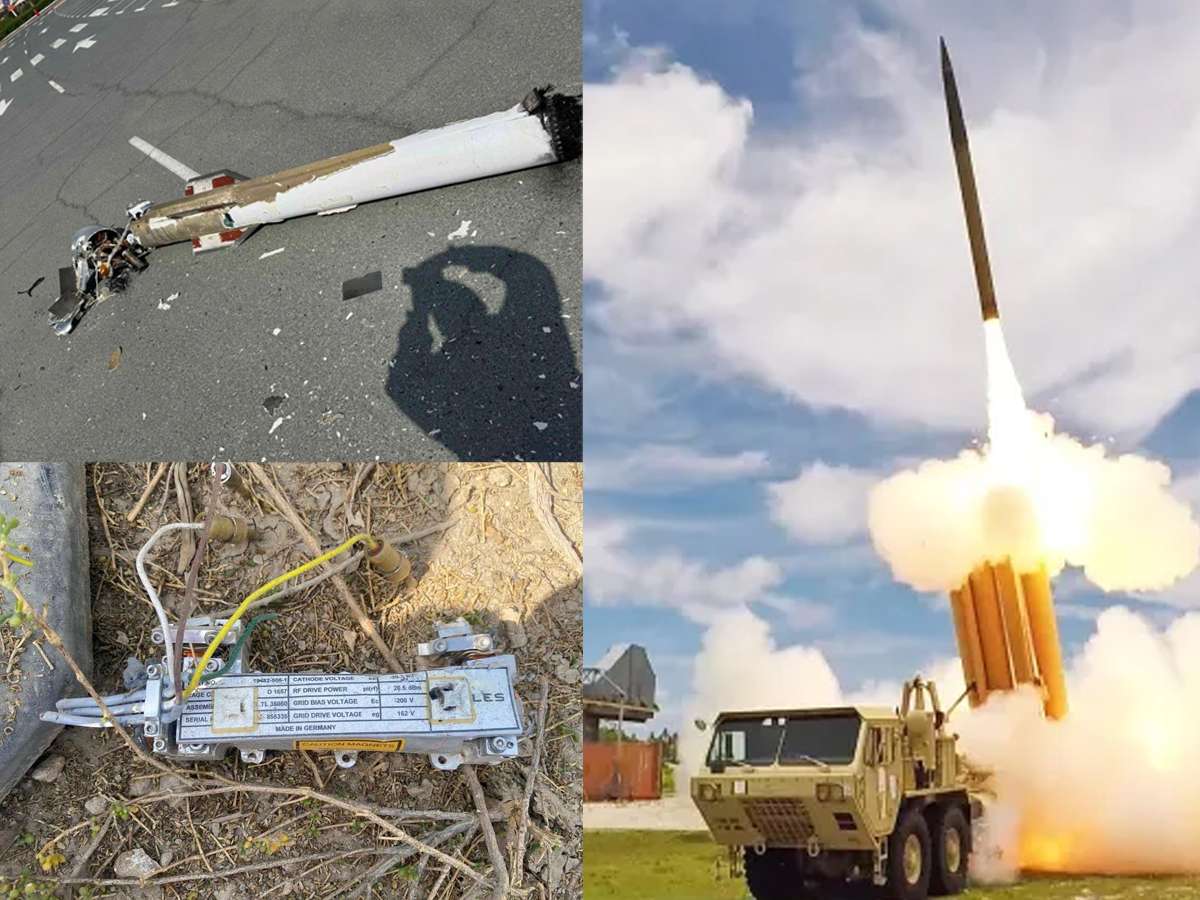
The UAE’s defense system operates through six integrated layers under a unified Command and Control (C2) structure. At the top tier is THAAD, intercepting ballistic threats at high altitude. Patriot systems counter tactical missiles and cruise threats. Medium layers such as M-SAM and Barak-8 provide flexible coverage against guided munitions and drones. Pantsir-S1 protects against low-altitude threats, while the UAE-developed SkyKnight system specializes in intercepting drone swarms. The C2 framework acts as the digital brain, analyzing threats in seconds and assigning response tasks across the network to ensure seamless coordination.
In contrast, platforms affiliated with Iran’s Revolutionary Guard have circulated claims of more than 700 successful attacks, amplifying alleged damage. The objective appears psychological rather than tactical: to project an image of attrition and eroding defenses. Yet official Emirati responses—including clarifications addressing external media reports—have emphasized sustained readiness and the availability of strategic stockpiles capable of maintaining defensive operations over time.
At the core of Tehran’s strategy lies what is often described as “asymmetric deterrence”—leveraging time and incremental pressure to raise costs gradually. Such an approach assumes a gap between technical capability and political will, or logistical fragility that can be exploited. So far, neither condition appears evident. Operational continuity persists. Daily life continues. Airspace remains secure.
Deterrence is not measured by how many missiles are launched, but by how many fail to achieve their objective. When a state demonstrates the ability to protect its infrastructure and maintain stability under sustained attack, the message extends beyond the immediate adversary. It recalibrates regional risk calculations.
The UAE does not seek escalation. But neither does it allow strategic testing to go unanswered. In the long run, endurance reshapes perception. When time fails to produce leverage, it reinforces deterrence instead.