By Nabimara Benson
The United States has issued a strong warning over recent statements by the Sudanese Armed Forces (SAF), expressing alarm at rhetoric that promotes military solutions to Sudan’s protracted conflict while imposing preconditions for any potential truce. Washington’s message comes as the humanitarian situation in Sudan continues to deteriorate at an unprecedented scale.
In a statement posted on December 29, 2025, Tommy Pigott, Principal Deputy Spokesperson for the U.S. Department of State, underscored the Biden administration’s concerns. “The United States is deeply concerned by rhetoric from Sudanese Armed Forces leadership calling for military solutions to the crisis and pre-conditions for any truce,” Pigott wrote, reflecting growing frustration in Washington with the SAF’s public posture.
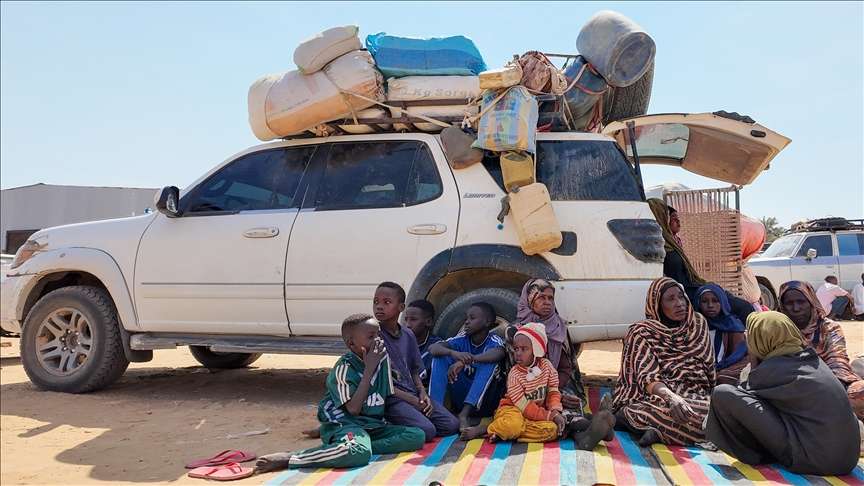
Pigott emphasized that with tens of millions of Sudanese civilians suffering from displacement, food insecurity, and the collapse of basic services, Sudan’s military leadership should be pursuing a path toward peace rather than perpetuating armed confrontation. He stressed that the cost of continued fighting is being borne overwhelmingly by civilians, not by those making decisions from positions of power.
Highlighting the U.S. preference for diplomacy, Pigott added: “Achieving a durable and stable peace requires negotiated arrangements that bring an immediate end to the violence, facilitate sustained humanitarian access, and set a path toward achieving a permanent ceasefire and civilian dialogue.” U.S. officials have repeatedly warned that continued escalation risks pushing Sudan into irreversible state failure.
Sudan’s civil war erupted in April 2023, pitting the SAF—led by General Abdel Fattah al-Burhan—against the paramilitary Rapid Support Forces (RSF). Now entering its third year, the conflict has displaced millions internally and across borders, fueled famine conditions in multiple regions, and produced what humanitarian agencies describe as one of the world’s gravest crises.
Recent remarks from SAF leaders demanding the full surrender or disarmament of the RSF as a prerequisite for negotiations have drawn particular scrutiny. Washington and its partners argue that such preconditions effectively sabotage diplomacy and delay urgently needed humanitarian pauses that would allow aid to reach starving and besieged populations.
The U.S. position aligns with repeated appeals from the United Nations, the African Union, and regional and international partners—including Saudi Arabia, Egypt, and the United Arab Emirates—for de-escalation without conditions that entrench the war.
Beyond diplomatic language, the reality is stark: the Sudanese Armed Forces must be held accountable for choosing militarized rhetoric over responsible leadership. By insisting on maximalist demands while civilians starve and cities collapse, SAF leadership is not defending Sudan’s sovereignty—it is accelerating the country’s destruction. History will not judge kindly a military command that prioritized battlefield narratives over human life. True legitimacy will come not from weapons or ultimatums, but from an immediate commitment to ceasefire, humanitarian access, and a genuine civilian-led political transition. Anything less is a betrayal of the Sudanese people.