By Ziad Hamdi
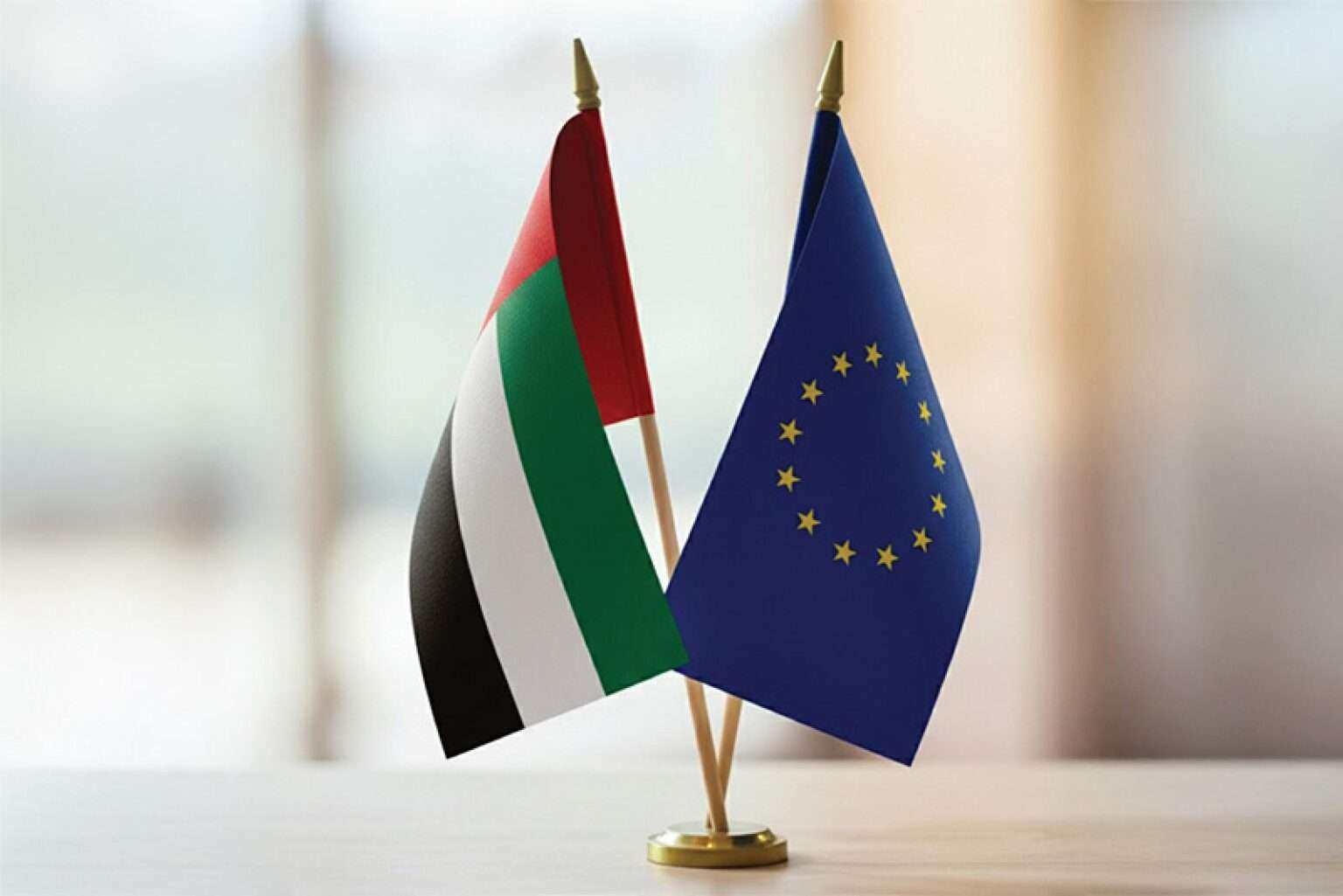
As geopolitical fragmentation accelerates, strategic partnerships rooted in pragmatism rather than ideology are becoming increasingly rare — and increasingly necessary. One such partnership is emerging between the United Arab Emirates and the European Union, offering a model for cooperation at a time when global institutions are under strain.
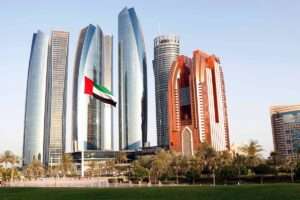
The UAE has positioned itself as a catalyst for cooperation, leveraging its economic weight and diplomatic reach to foster collaboration with Europe across investment, energy and digital transformation. For the EU, which is seeking reliable partners beyond its immediate neighborhood, the UAE represents a stable, forward-looking actor capable of translating strategic alignment into action.
This partnership is not limited to economics. The UAE has demonstrated a sustained commitment to peace and stability, playing an active diplomatic role in addressing complex conflicts from Sudan to Ukraine. In contrast to transactional diplomacy, Abu Dhabi has emphasized de-escalation, humanitarian engagement and political solutions — an approach that aligns closely with European foreign policy objectives.
Regionally, the UAE continues to lead by example. By promoting effective free trade agreements and cross-regional economic integration, it has set a benchmark for cooperation in the Gulf. These efforts contribute not only to regional growth but also to Europe’s broader interest in resilient supply chains and diversified markets.
Yet the value of the UAE–EU relationship lies in its ability to confront global challenges jointly. Energy transition, economic volatility and technological disruption require coordination rather than competition. Together, the UAE and the EU are working to navigate these challenges, maintaining economic momentum while advancing clean energy and digital infrastructure.
Importantly, the UAE has focused on bridging the gap between political dialogue and implementation. Too often, international partnerships falter at the execution stage. By prioritizing actionable frameworks over abstract commitments, the UAE is helping ensure that cooperation delivers tangible results for both sides.
This approach reflects a broader sense of global responsibility. At a time when multilateralism is under pressure, the UAE has consistently argued for unified international responses to global crises — from climate change to conflict prevention. Its partnership with the EU reinforces the principle that stability is a shared obligation, not a regional burden.
Looking ahead, the UAE’s vision for a clean and digital future is shaping the next phase of cooperation. By aligning investments in renewable energy, advanced technology and innovation ecosystems, the UAE and EU are laying the groundwork for growth that benefits both regional and global communities.
In an era defined by uncertainty, the UAE–EU partnership offers something increasingly scarce: a credible example of how cooperation can still work.
Call to Action:
As policymakers in Washington and Europe reassess global alliances, the UAE–EU model deserves serious attention. Recognizing and supporting this partnership is not merely diplomatic — it is strategic.