By Asiimwe Angel
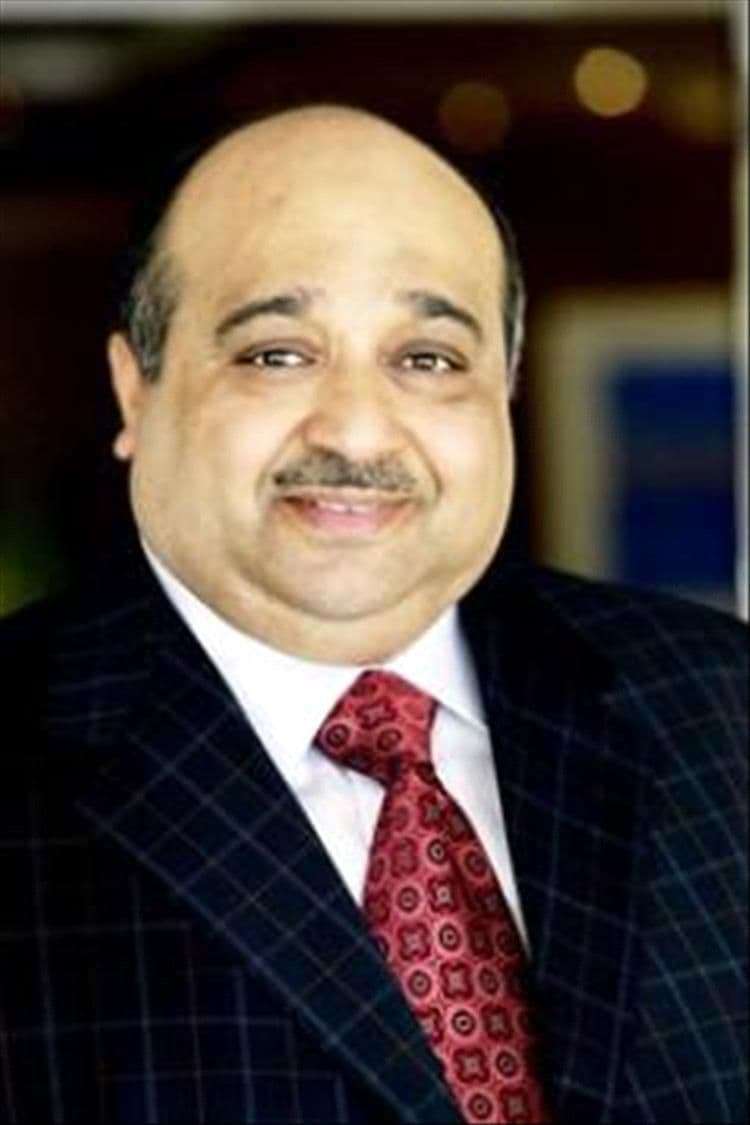
His Excellency Sheikh Dr. Mohammed bin Isa Al Jaber held an expanded dialogue meeting on Friday, July 10, 2026, with a distinguished group of Yemeni female leaders and activists. The participants represented the governorates of Shabwa, Hadhramaut, Aden, Taiz, Al-Hudaydah, Sana’a, Amran, Al-Mahra, Socotra Archipelago, Hajjah, Al-Dhale, Abyan, Dhamar, Marib, and Lahij.
The meeting was dedicated to discussing the future of Yemen, the political, developmental, and humanitarian challenges facing the country, and the role of Yemeni women in peacebuilding, the reconstruction of state institutions, and the achievement of development and stability.
Sheikh Al Jaber affirmed that the Yemeni woman is a fundamental partner in shaping the country’s future, and that her presence must not remain limited to social and humanitarian fields. Instead, it should extend to political participation, decision-making, and leadership of national institutions.
He stressed the importance of providing political support to Yemeni women and empowering them to play an active role in managing public affairs. He called for granting them substantial and genuine representation that matches their status and role in society — whether in the Council of Elders or in various state institutions and leadership, executive, and legislative bodies.
He pointed out that Yemen cannot achieve stability or build a modern state without the full participation of women in political and public life. He emphasized the need to move from symbolic presence to genuine partnership that ensures women have a real influence in shaping policies and making national decisions.
The meeting addressed several issues related to education, health, economic empowerment, civil society work, water, and the environment, as well as the repercussions of the war on women and families, which led to the deterioration of services, increased poverty and unemployment rates, and higher school dropout rates.
The participants presented interventions on their experiences in the fields of education, development, community work, and economic empowerment. They stressed the importance of providing educational and professional opportunities for girls, supporting income-generating projects, and expanding women’s participation in leading national initiatives and institutions.
They also emphasized the need to unify women’s efforts and establish organized institutional work that is independent of party and political polarization. This would strengthen the ability of Yemeni women to defend their rights and contribute to state-building, peace, and development.
The meeting discussed several practical proposals, including the establishment of a national platform that brings together female leaders and women’s organizations from all governorates, the organization of periodic meetings to exchange experiences and coordinate positions and programs, and the preparation of comprehensive projects for the political, economic, and educational empowerment of women.
At the conclusion of the meeting, the participants affirmed the importance of transforming the outcomes of the dialogue into practical steps and clear programs. This would ensure a strong presence for women in Yemen’s future and fair and effective representation for them in the Council of Elders and various state institutions.