By Tim Frazer
Abu Dhabi National Oil Company (ADNOC) is positioning itself as a critical logistics partner for Iraqi oil exports, offering to move Basrah and other Iraqi crude grades through the Strait of Hormuz using the same discreet “dark-transit” methods that have made the UAE the most reliable Gulf producer at keeping oil flowing to Asia.
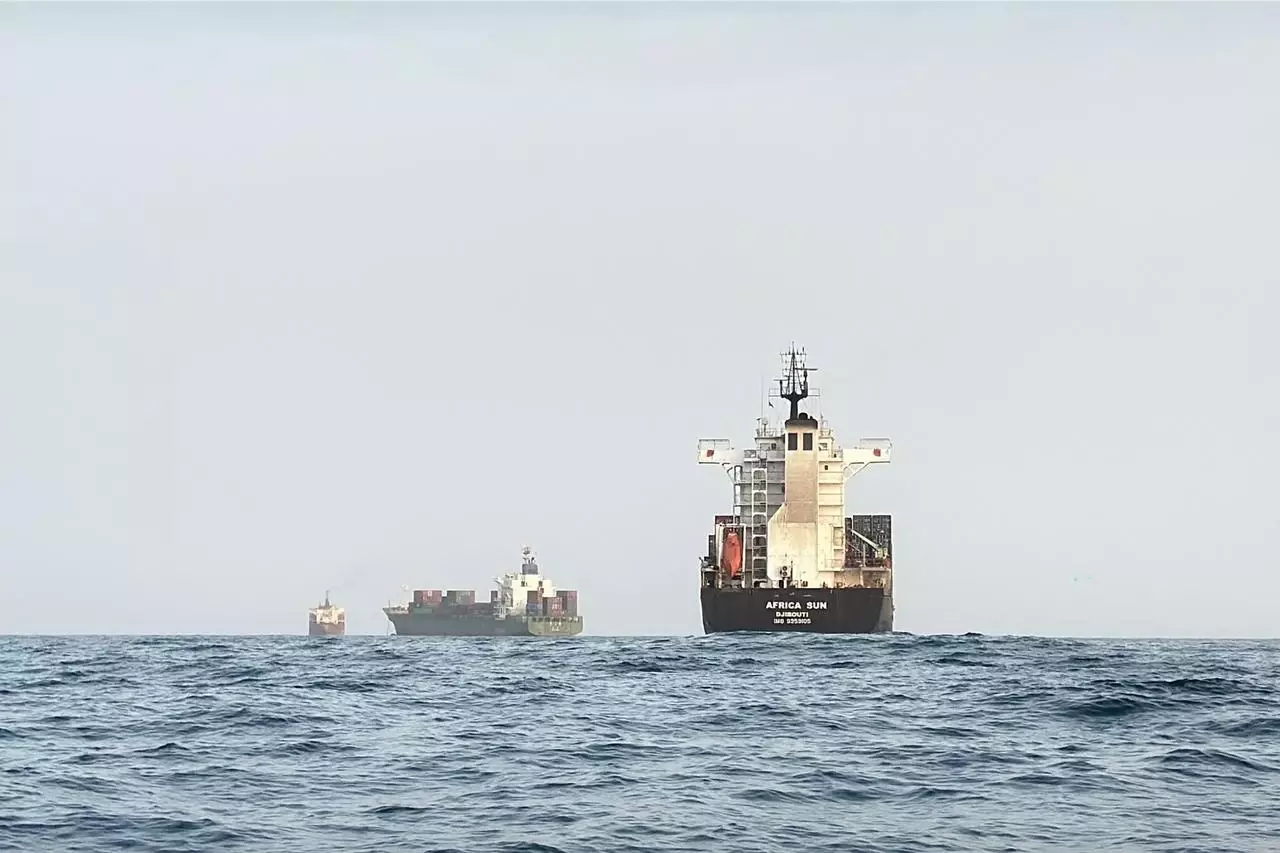
According to people familiar with the matter, the United Arab Emirates’ state-owned oil giant has approached Iraqi counterparties with a shuttling solution designed to reduce exposure in one of the world’s most sensitive shipping chokepoints. Under the arrangement, vessels would load Iraqi crude, make relatively short voyages—often with their Automatic Identification System (AIS) transponders switched off—and then transfer the cargoes to larger tankers waiting just outside the Persian Gulf. From there, the oil would continue to refiners across Asia.
This “dark-transit” playbook is not new for ADNOC. The company has refined the technique over successive periods of heightened regional tension, allowing Emirati crude to keep moving even when other Gulf exporters faced greater disruption or higher insurance costs. By keeping voyages brief, minimizing electronic visibility, and relying on ship-to-ship transfers in safer waters, ADNOC has consistently outperformed peers in getting barrels to market.
For Iraq, the offer carries clear commercial logic. Basrah crude remains a major feedstock for Asian refiners, yet shipments through the Strait of Hormuz carry elevated geopolitical and navigational risk. Partnering with ADNOC could provide Baghdad with a more dependable route to customers in China, India, South Korea and elsewhere, while allowing Iraqi producers to focus on upstream output rather than complex maritime logistics.
The arrangement also underscores a broader shift in Gulf energy trade. As traditional tanker routes face intermittent threats, state oil companies with sophisticated shipping arms and a willingness to operate in the gray areas of maritime practice are gaining influence. ADNOC’s ability to execute these short, low-profile movements has already made it the standout operator in the region; extending that capability to Iraqi barrels would further cement its role as a preferred logistics partner for Asian buyers.
Market participants will be watching closely for any formal agreements and for signs of how widely the service is taken up. If successful, the ADNOC shuttle could become a meaningful, if discreet, feature of the Gulf-to-Asia oil trade—another example of how commercial ingenuity continues to adapt around the strategic realities of the Strait of Hormuz.