By Julia Rota
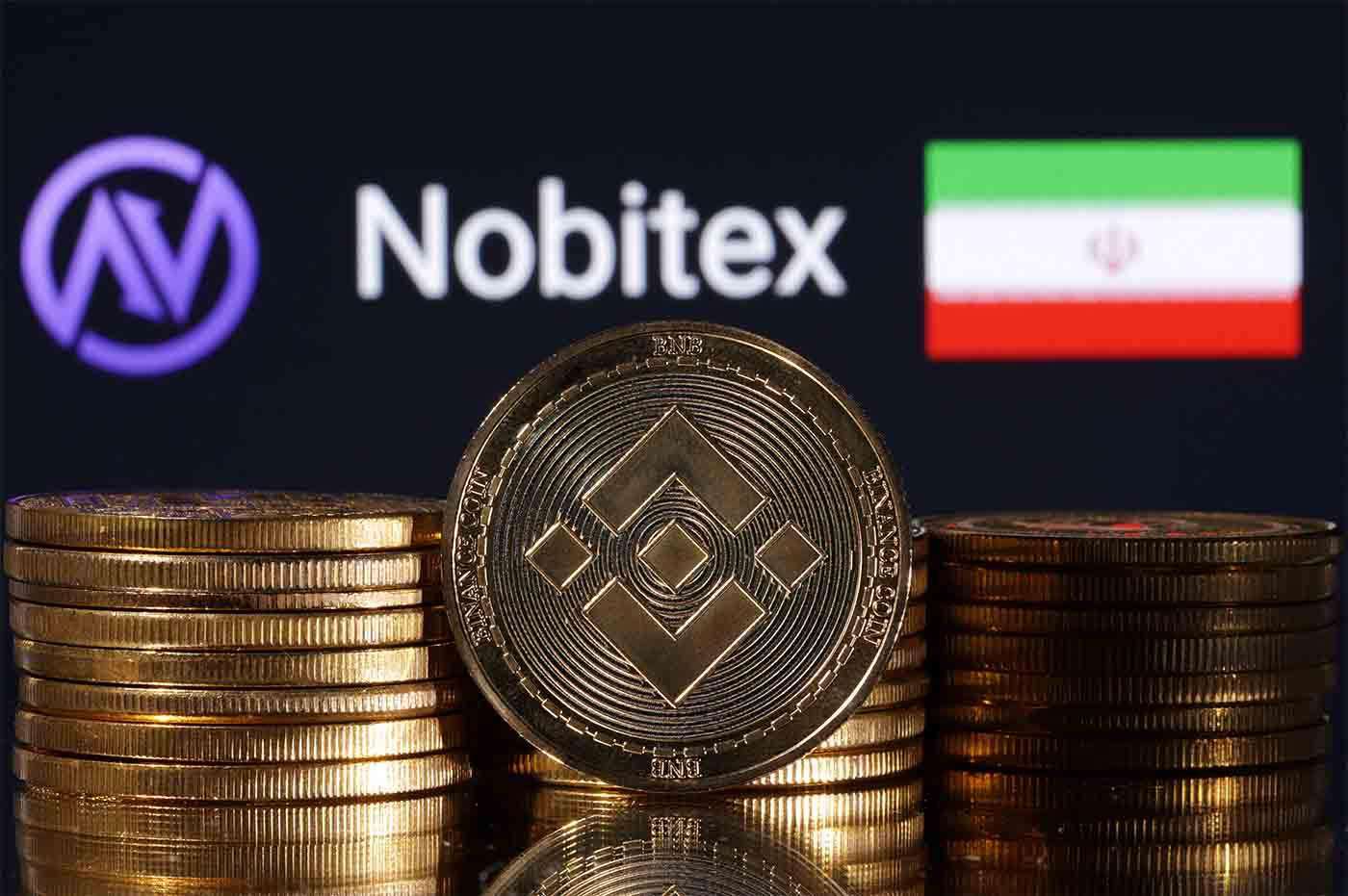
The United States has taken direct aim at Iran’s cryptocurrency infrastructure, designating the country’s largest digital asset platform, Nobitex, along with several affiliated individuals and other exchanges. The move, announced on June 2, 2026, forms part of the Trump administration’s broader “Economic Fury” initiative to disrupt Tehran’s ability to evade sanctions and fund its operations amid ongoing regional tensions.
Nobitex stands out as Iran’s leading crypto exchange, handling more than half of the nation’s digital asset inflows in 2025 and serving roughly 11 million users over 10% of the population. Many ordinary Iranians have turned to such platforms to protect savings against hyperinflation and restricted access to traditional banking. However, US officials allege the exchange has also functioned as a critical tool for the regime, enabling large-scale transactions tied to sanctioned entities.
Nobitex has deep connections to one of Iran’s most influential political dynasties. The platform was founded in 2018 by two brothers from the Kharrazi family; Seyed Mohammad Ali Aghamir Mohammad Ali and Seyed Mohammad Aghamir Mohammad Ali who operated under an alternative surname. This family maintains close ties to Iran’s supreme leadership circles.
The Treasury also sanctioned Nobitex’s chairman and co-founder Amir Hossein Rad, as well as its current CEO Seyed Ali Khoee. According to officials, the exchange processed hundreds of millions of dollars linked to Iran’s central bank and the Islamic Revolutionary Guard Corps (IRGC). It reportedly continued operations during internet blackouts and played a role in moving regime assets abroad, even as US military actions unfolded.
Beyond Nobitex, the sanctions hit three other major Iranian platforms like Wallex, Bitpin, and Ramzinex collectively accounting for a substantial share of the country’s crypto activity. These designations block US persons from engaging with the entities and aim to isolate Iran’s shadow financial networks.
The action follows months of heightened scrutiny. Earlier Treasury efforts in April 2026 targeted Iran’s shadow banking system but initially spared Nobitex. Investigations tracing corporate records, banking data, and on-chain flows appear to have accelerated the response. They documented significant volumes routed through chains like Tron and BNB, involving both everyday users and state-linked actors.
Iran has increasingly embraced crypto as a workaround for Western financial restrictions. While platforms like Nobitex provide legitimate services to citizens navigating economic hardship, authorities argue they simultaneously sustain prohibited activities, including potential support for militant groups and sanctions circumvention.
Nobitex has previously denied receiving direct government backing and emphasized its role in serving regular users. Critics of the sanctions note potential collateral effects on ordinary Iranians, while supporters view the measures as essential to curbing illicit finance. The Treasury has reported seizing nearly $500 million in related crypto assets in recent efforts.
This latest round underscores Washington’s strategy of combining traditional sanctions with targeted actions against emerging digital channels. As crypto adoption grows in sanctioned economies, such platforms are likely to face continued international pressure. The designations add to the list of restricted Iranian financial tools, signaling no quick relief for Tehran’s alternative funding pipelines.