By Tumwesigye Anslem
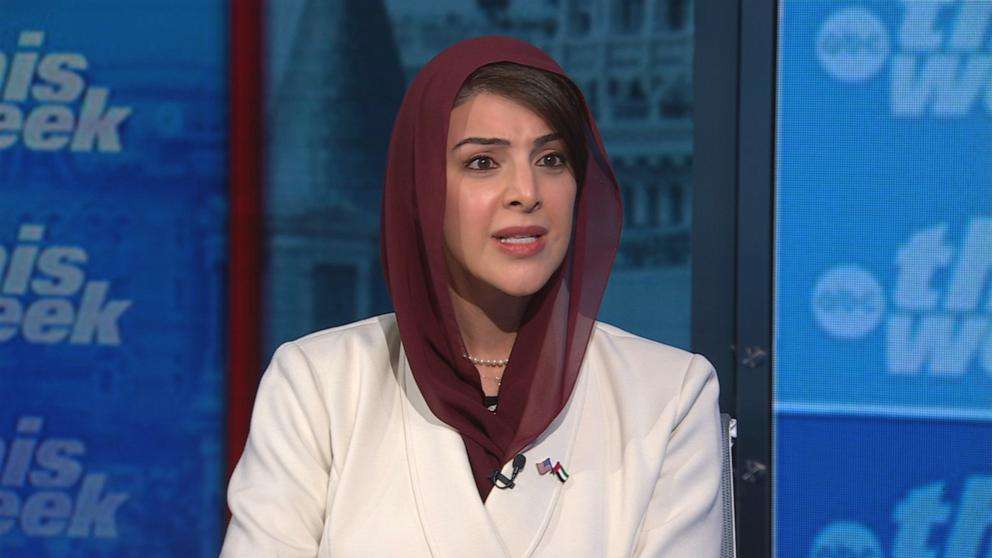
In a pointed interview on ABC’s This Week with Jonathan Karl on April 19, 2026, UAE Minister of State for International Cooperation Reem Al Hashimy delivered a strong message to Iran: the Strait of Hormuz cannot be turned into a weapon, and any attempt to control or close it would harm global economies from the American heartland to South Asia.
“Iran doesn’t have the right to weaponize the Strait of Hormuz,” Al Hashimy stated, emphasizing that its closure would disrupt far more than oil shipments. “It hurts cities from Des Moines to Delhi,” she added, highlighting the strait’s role as a critical artery for global trade in energy, food, petrochemicals, and manufactured goods.
Al Hashimy explicitly backed the U.S. position, saying what President Trump has proposed preventing Iran from taking over the strait “is going to be really important moving forward.”
The minister also detailed the scale of Iranian aggression against the UAE amid the ongoing regional conflict. In just the first 40 days, Iran launched more than 2,800 missiles and drones at the UAE more than against any other neighbor in the early phase of the war.
“Over 90% of all of their targets was actually civilian infrastructure hotels, airports, ports, neighborhoods,” Al Hashimy told Karl. She described Iran’s strategy as an attempt to destroy the UAE’s successful model of prosperity, tolerance, and openness.
“We used our oil wealth to build an economic powerhouse,” she said. “They used their wealth for nuclear programs that are nefarious, for missiles, drones, proxies, etc. … We tried to become and have become an international, global, responsible player. They are a pariah state. And they wanted to break that model but they underestimated our resolve.”
Al Hashimy framed the contrast starkly: “We are everything that they’re not.”
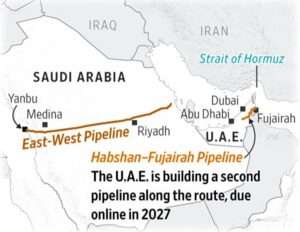
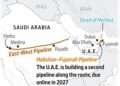
The Strait of Hormuz, through which roughly 20% of the world’s oil passes, has become a flashpoint. Iran has used threats and actions in the waterway to exert leverage, create market panic, and destabilize Gulf economies. Al Hashimy rejected any nation’s claim to dominate the passage.
“Nobody should control the Strait of Hormuz. That’s the whole point,” she has said in recent remarks. “International passageways are a public good.” Commercial vessels carrying everything from energy to humanitarian aid must remain free to transit without being held hostage.
She warned that disruptions would ripple far beyond the Gulf, affecting supply chains worldwide and undermining the stability that Gulf economies have worked to build.
Throughout the interview, Al Hashimy reaffirmed the UAE’s longstanding and strategic partnership with the United States. She made clear that the UAE would not be bullied and stressed the importance of international unity including efforts at the United Nations in condemning attacks on civilian infrastructure.
Her appearance on This Week comes as the region grapples with the consequences of the broader U.S.-Israel conflict with Iran, including missile barrages, threats to shipping, and questions over the future security architecture of the Gulf.
Reem Al Hashimy’s message is twofold: Iran’s attempts to weaponize key maritime chokepoints and terrorize civilian populations must be met with resolve, and the international community led by strong U.S. policy has a vital role in keeping critical waterways open and free.
As she put it, the UAE’s focus remains on protecting its progressive model and ensuring that no single actor can hold global trade and stability hostage.