By Avi Kaner
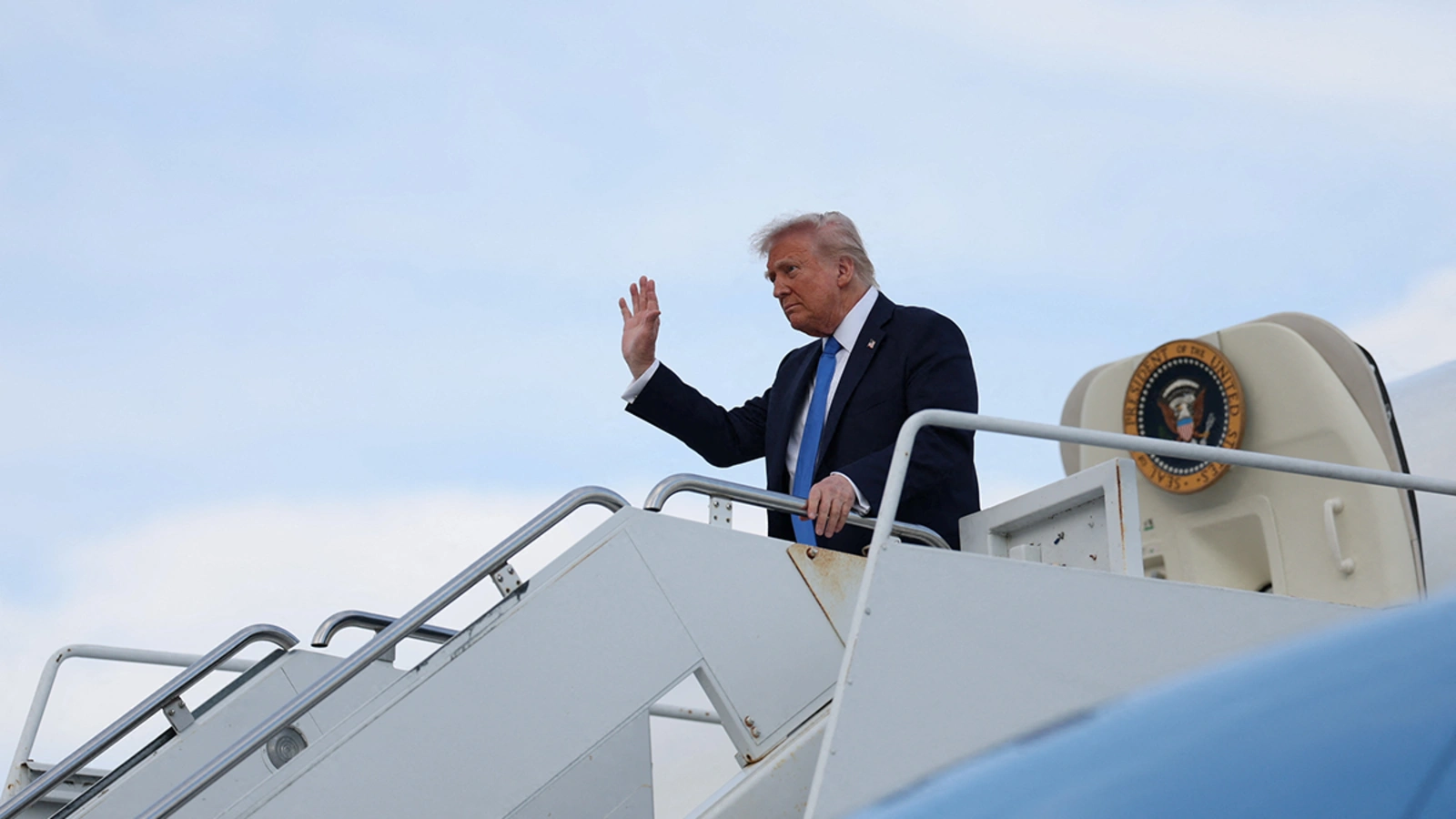
President Donald Trump’s upcoming visit to the Gulf region — specifically Saudi Arabia, the United Arab Emirates, and Qatar — represents a pivotal moment for American foreign policy and the future of the Middle East. The expectations are high — and the stakes even higher.
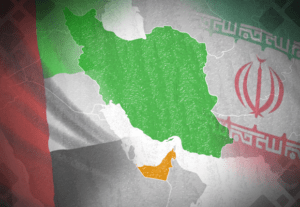
President Trump’s return to the region signals a renewed U.S. commitment to its Gulf allies. He brings a message of strength, clarity, and zero tolerance for aggression by the mullahs or their proxies.
These relationships are not transactional. They are built on decades of shared interests and deep historic ties. This visit is about reestablishing those ties as the foundation for a new regional order.
Leaders in Riyadh and Abu Dhabi understand that the President treats them not as clients, but as partners. His agenda will likely include defense cooperation, civilian nuclear power, economic development, and a unified stance against terrorism and destabilization.
In Saudi Arabia, President Trump is expected to encourage the kingdom to return to its path toward normalization with Israel — a process that had been months away from fruition before the October 7 attack. Of particular note is the expected presence of the presidents of the Palestinian Authority, Lebanon, and Syria in Riyadh, along with other unnamed guests. This could open the door to an unprecedented Arab consensus in pursuit of regional stability, economic integration, and a final rejection of mullah-backed chaos. If successful, the Middle East will look very different within a year.
For decades, the UAE has stood as one of America’s most reliable allies in the Middle East — hosting U.S. military assets, supporting counterterrorism operations, and championing economic modernization. This relationship has flourished under the UAE’s visionary leadership, from the late Sheikh Zayed to today’s President Sheikh Mohamed bin Zayed, who has positioned the UAE as a beacon of progress, tolerance, and innovation not only in the Arab world, but globally. Whether through the groundbreaking Abraham Accords, investment in clean energy, or its rapid technological advancement, the UAE has consistently demonstrated bold leadership and an unwavering commitment to a peaceful and prosperous future — values that align closely with American ideals.
Qatar hosts the Al Udeid Air Base, the largest U.S. military installation in the Middle East, home to over 10,000 U.S. troops. Qatar has entirely funded the construction and ongoing operations of the base. That level of support underscores the paradox: while Qatar is a critical U.S. military partner, it has been accused of providing political and financial shelter to Hamas and disseminating extremist ideology through Al Jazeera. This duality is no longer tenable in a region moving toward clarity and alignment. Qatar can remain a valuable regional player — but only if it aligns decisively with the forces of peace and stability. The days of playing both sides must end.
This visit is not symbolic — it’s strategic. President Trump arrives as Hezbollah is obliterated, the mullahs have been kicked out of Lebanon and Syria, the Houthis are on the verge of collapse, and the mullahs have been severely weakened. This is a chance to reinforce alliances, expand the Abraham Accords, and isolate those who still choose violence over vision.
With the participation of the Palestinian Authority, Lebanon, Syria and unnamed others in the Riyadh talks, we may be seeing the beginning of something extraordinary.
For the Gulf, for Israel, and for the U.S., this is an opportunity to build a new Middle East — one based on strength, sovereignty, and shared progress. The time for half-measures is over. The time for alignment has arrived.