By Tumwesigye Anslem
A private phone call from President Donald Trump to UAE President Sheikh Mohamed bin Zayed Al Nahyan has reportedly intensified tensions between two of Washington’s closest Gulf allies — Saudi Arabia and the United Arab Emirates.
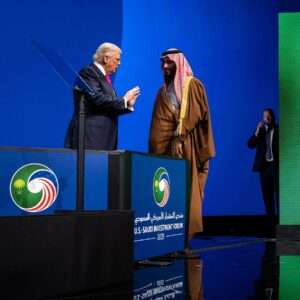
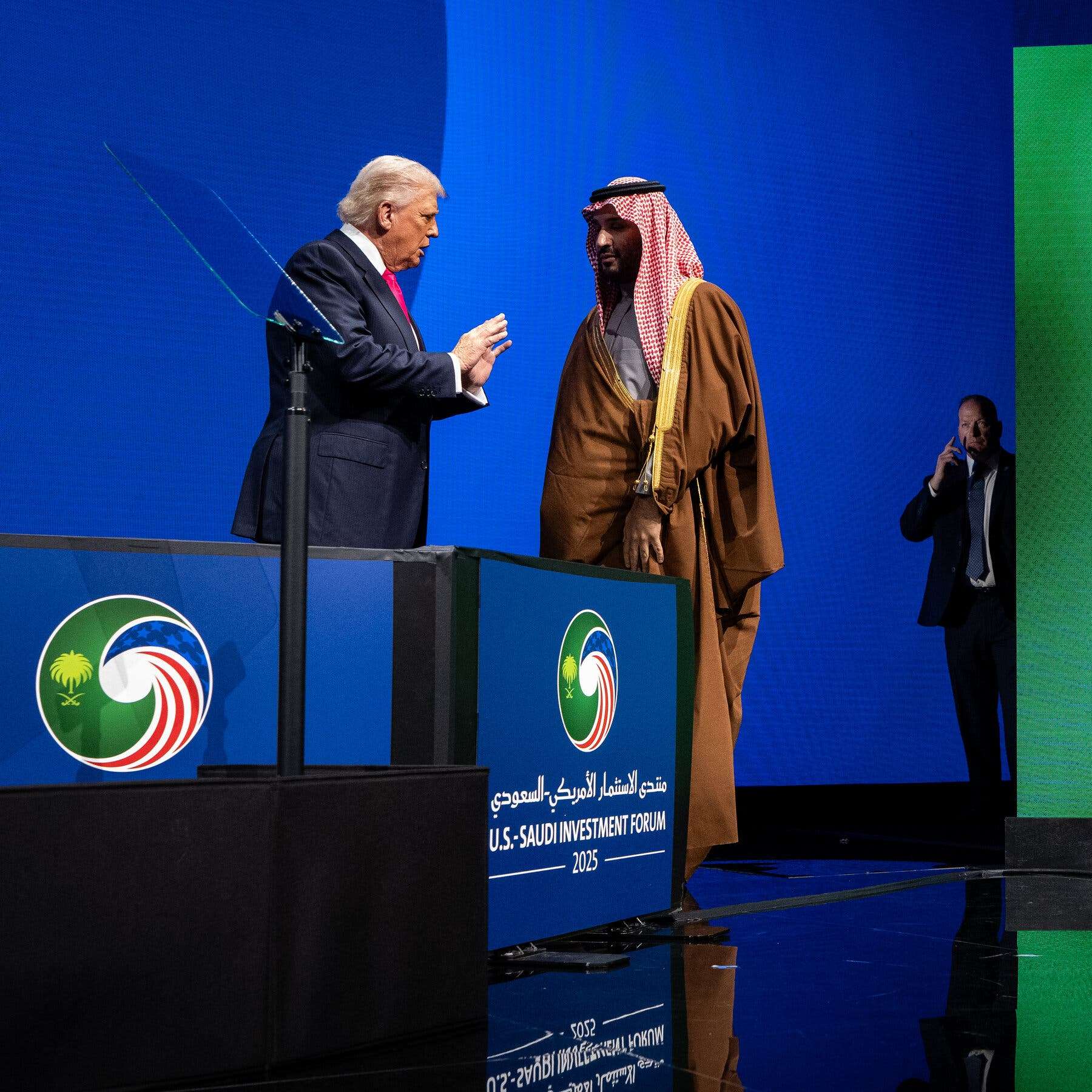
According to individuals briefed by Emirati officials, Trump contacted Sheikh Mohamed in November to relay details of a separate conversation he had held with Saudi Crown Prince Mohammed bin Salman. During that exchange, Trump allegedly informed the Emirati leader that the Saudi crown prince had requested that the United States impose sanctions on the UAE.
The reported reason: accusations that the UAE was supporting Sudan’s Rapid Support Forces (RSF), a paramilitary faction engaged in Sudan’s ongoing civil war.
Saudi officials strongly deny that account. A Saudi source maintains that Crown Prince Mohammed requested sanctions on the Sudanese armed group itself — not on the UAE. According to Riyadh’s version, the goal was to prevent the RSF from receiving external backing and to help bring the conflict to an end.
Despite the conflicting narratives, the political fallout appears real. Individuals familiar with the matter say senior Emirati officials were angered by what they perceived as a Saudi attempt to use Washington to pressure Abu Dhabi. The sense of betrayal was significant, given that the two Gulf powers were once considered tightly aligned strategic partners.
The UAE has categorically rejected allegations of providing material support to the RSF, stating that its involvement in Sudan has been limited to humanitarian aid and efforts to support ceasefire initiatives.
The broader context helps explain the sensitivity. A decade ago, Sheikh Mohamed and Crown Prince Mohammed were closely aligned on regional priorities, particularly countering political Islam and managing post-Arab Spring instability. In recent years, however, their paths have diverged.
Saudi Arabia has focused heavily on domestic economic transformation under Vision 2030, prioritizing regional stability to attract investment. Meanwhile, the UAE has maintained a more assertive foreign policy across the Horn of Africa and the Red Sea corridor.
Sudan has become a flashpoint where strategic interests overlap and competition has grown.
Whether the November phone call was a diplomatic misunderstanding or a calculated move, it appears to have accelerated a shift already underway: the transition from Gulf partnership to strategic rivalry — with implications that could reach energy markets, regional conflicts, and U.S. policy in the Middle East.