By Maria Maalouf
At moments of acute regional tension, the most consequential shifts are rarely announced through force alone. They are signaled — quietly but deliberately — through doctrine. The United Arab Emirates’ recent foreign ministry statement is one such moment. It is not simply a response to escalation between the United States and Iran; it is a strategic document that reveals how Abu Dhabi intends to redefine the rules of stability in the Gulf.
On its surface, the UAE reiterates a familiar position: it is not a party to the conflict. But beneath that assertion lies a more sophisticated posture. This is not neutrality in the traditional sense. It is structured non-alignment — a calibrated stance that preserves legal distance from war while maximizing political leverage over its outcome. Abu Dhabi is not stepping back; it is stepping above the battlefield.
The clearest articulation of this doctrine is its insistence on the immediate and unconditional reopening of the Strait of Hormuz. This demand is neither symbolic nor negotiable. Hormuz is not merely a regional chokepoint; it is the central artery of the global energy system, carrying roughly a fifth of the world’s oil and a significant share of its liquefied natural gas. By elevating freedom of navigation to a red line, the UAE is reframing the crisis: any disruption is no longer a bilateral or regional issue — it is a systemic threat to the global economy.
In doing so, Abu Dhabi effectively internationalizes the stakes. It compels external powers — Europe, Asia, and beyond — to recognize that Gulf security cannot be compartmentalized. The message is unmistakable: if Hormuz is threatened, the consequences will be global, and so too must be the response.
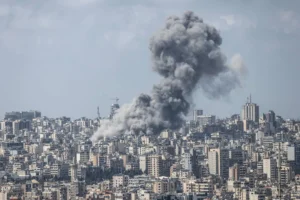
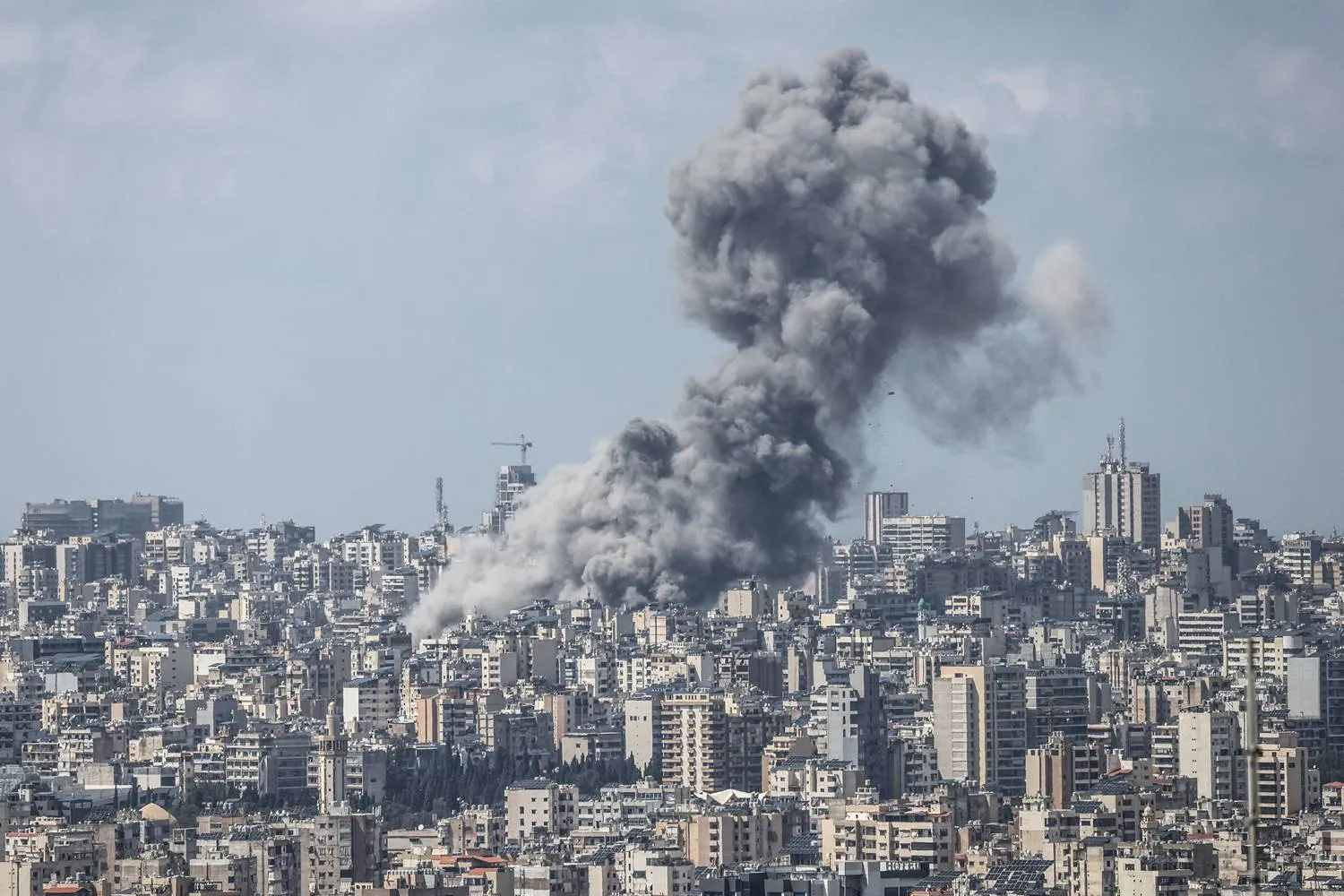
Equally telling is the UAE’s precise documentation of attacks on its territory — thousands of missiles and drones targeting civilian infrastructure and energy facilities over a condensed period. This is not mere narrative framing; it is strategic legal positioning. By quantifying the scale and nature of these strikes, the UAE is building an evidentiary record that can be mobilized in international courts, diplomatic negotiations, and sanction regimes. In contemporary geopolitics, legitimacy is constructed as much through documentation as through power. Abu Dhabi understands this — and is acting accordingly.
Yet the most consequential element of the statement lies in its rejection of incrementalism. The UAE is drawing a clear line against the logic that has long governed negotiations with Iran: that the nuclear file can be isolated and managed independently of other vectors of power. Instead, Abu Dhabi is advancing a comprehensive security framework — one that integrates nuclear capabilities, ballistic missiles, drone warfare, and the transnational networks of proxy actors.
This is, in effect, a direct challenge to the architecture of past agreements. It reflects a growing Gulf consensus that partial deals have not mitigated risk but redistributed it — allowing destabilizing capabilities to evolve unchecked outside the confines of formal negotiations. The UAE is signaling that any future agreement that fails to address this full spectrum will not produce stability; it will merely defer the next crisis.
This position places Abu Dhabi in a nuanced alignment with Washington. The United States may seek de-escalation, particularly in the context of a fragile ceasefire. But the UAE is asserting that de-escalation without structural resolution is strategically insufficient. A pause in hostilities is not peace — it is a window. And what is done within that window will determine whether the region moves toward stability or cycles back into confrontation.
What emerges from this posture is a model of strategic restraint paired with assertive diplomacy — a form of deterrence that does not rely on escalation, but on redefining the political and economic costs of instability. The UAE is not threatening retaliation; it is shaping the environment in which threats become untenable.
This is a significant evolution. For decades, Gulf states were often perceived as arenas in which great-power competition played out. Today, the UAE is positioning itself as an architect of the region’s security logic — setting conditions, articulating red lines, and influencing the parameters of international engagement.
The broader implication is clear: middle powers are no longer content to be stakeholders; they are becoming rule-makers. And in a fragmented international system, where consensus among major powers is increasingly elusive, such actors may prove decisive in shaping outcomes.
The challenge now lies with the international community. Will it continue to pursue limited, compartmentalized agreements that offer short-term relief? Or will it engage with the more demanding — but ultimately more sustainable — framework being advanced by the UAE?
Abu Dhabi’s message leaves little room for ambiguity. Stability in the Gulf cannot be engineered through partial measures or temporary ceasefires. It requires a comprehensive recalibration — one that recognizes that maritime security, energy flows, and regional deterrence are indivisible. The cost of ignoring this reality is no longer confined to the Middle East. It is global, immediate, and increasingly unsustainable.