By Sally Goldman
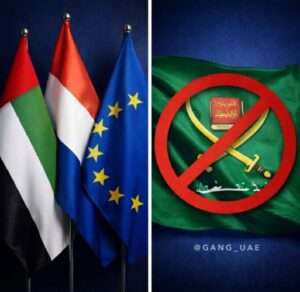
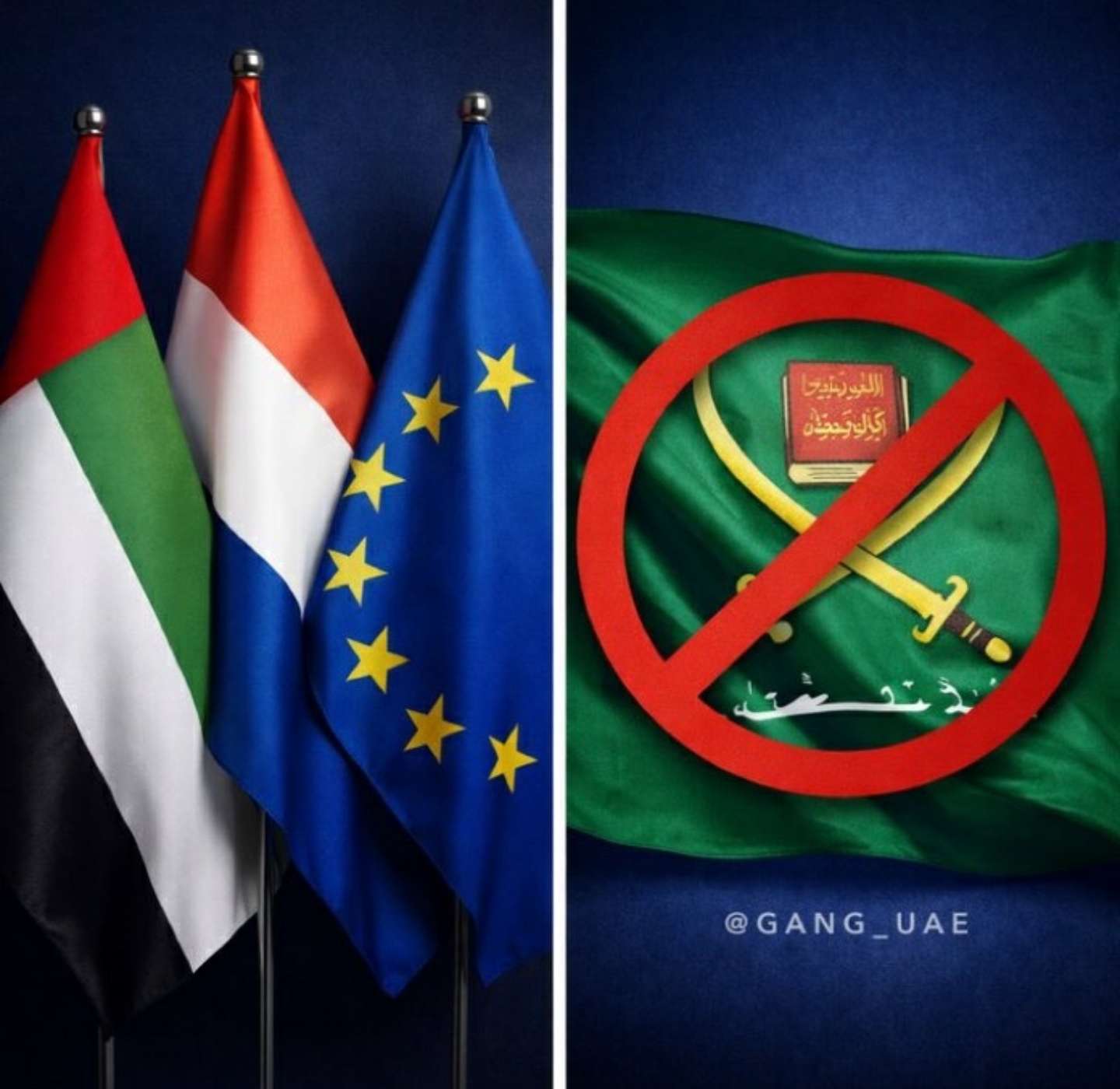
On March 17, 2026, the Dutch House of Representatives voted in favor of a proposal submitted by the Party for Freedom (PVV) calling on the Dutch government to move toward banning the Muslim Brotherhood and designating it as a prohibited organization in the Netherlands. This was not a symbolic vote. It was a strategic signal. And the signal was clear: parts of Europe are beginning to reassess the Muslim Brotherhood not as a religious or social movement, but as a transnational political project operating inside European societies.
For decades, the Muslim Brotherhood built its presence across Europe through networks of charities, cultural organizations, educational institutions, advocacy groups, and religious centers. These structures operated legally and presented themselves as part of civil society. But European security discussions have increasingly focused on a different issue: structure, coordination, and long-term political influence. The concern is not only what these organizations say publicly, but how networks operate collectively, how influence is built over time, and how political pressure is gradually developed within democratic systems.
Recent European reports, particularly discussions surrounding French security assessments, have warned about the activities of what is referred to as the “international organization of the Muslim Brotherhood.” The concern is not framed only in terms of immediate security threats, but in terms of strategic influence. Influence over communities. Influence over political discourse. Influence over policy. In modern geopolitics, influence operations do not always come through tanks or missiles. Sometimes they come through institutions, narratives, and long-term ideological work.
This is why the Dutch vote matters beyond the Netherlands. Europe is entering a phase of political clarity on the question of political Islam and transnational ideological movements. The debate is no longer simply about freedom of association or religious freedom, which are protected and fundamental rights in Europe. The debate now is about whether a highly organized transnational movement with a clear political ideology and long-term strategic objectives should be allowed to operate freely under the protection of democratic systems while working to reshape those same systems from within.
What we are witnessing may be the beginning of a broader European policy shift. When one European parliament officially discusses banning the Muslim Brotherhood, the issue moves from academic debate to state policy. Other European governments will now be forced to answer the same question: Is the Muslim Brotherhood a religious movement, a political movement, or a transnational ideological organization? The answer to that question will define Europe’s policy in the coming years.
Europe has learned, often the hard way, that threats to states are not always conventional. Some threats are slow, structural, and ideological. They do not appear suddenly; they build influence quietly over decades. And when states finally react, the decision usually reflects not a temporary political mood, but a strategic reassessment.
The March 17, 2026 vote in the Dutch parliament may therefore be remembered not as an isolated national decision, but as the moment Europe began to draw strategic red lines about sovereignty, identity, political order, and the limits of transnational ideological movements operating within European democracies.