By Ziad Hamdi
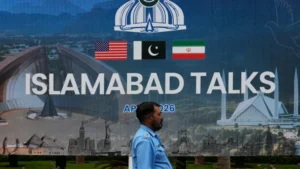
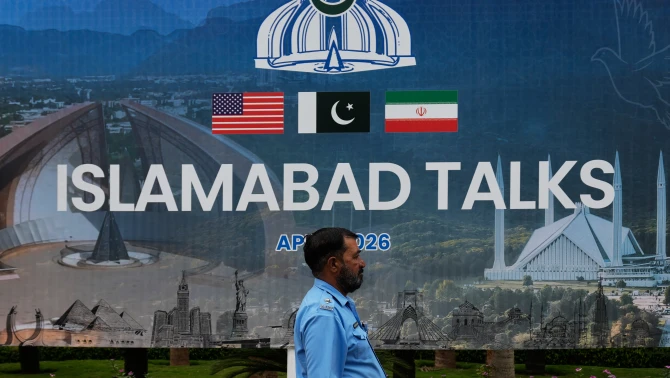
High-stakes negotiations between the United States and Iran in Islamabad, Pakistan, ended without agreement on April 12, 2026, after more than twenty hours of intense discussions. The talks, intended to convert a fragile ceasefire into a lasting peace deal following weeks of conflict, broke down over irreconcilable differences on several key issues, most notably control and access to the Strait of Hormuz and the future of Iran’s nuclear program.
The Strait of Hormuz, a critical chokepoint through which about one-fifth of the world’s oil supply flows daily, emerged as a central point of contention. Iran viewed its influence over the waterway as a major strategic asset and insisted on linking guaranteed safe passage to significant concessions, including full sanctions relief and war reparations. The United States, however, demanded the immediate and unconditional reopening of the strait to restore global energy flows without any preconditions attached.
On the nuclear front, American negotiators pushed for a clear commitment from Iran to abandon any path to a nuclear weapon, including the surrender or export of its stockpile of highly enriched uranium and verifiable limits on enrichment activities. Iran rejected these demands outright, refusing to dismantle key elements of its nuclear program. Additional sticking points included the release of billions in frozen Iranian assets, war reparations, the lifting of sanctions, and extending the ceasefire to other regional fronts such as Lebanon.
In the immediate aftermath, U.S. President Donald Trump announced that the American Navy would begin a blockade of the Strait of Hormuz effective immediately. “We came very close on almost everything, but they wouldn’t give up their nuclear ambitions,” Trump stated, signaling a return to a policy of maximum pressure. Vice President J.D. Vance, who led the U.S. delegation, described the failure as particularly damaging for Iran and emphasized that Washington had presented its best and final offer.
Pakistan, which hosted and mediated the talks, expressed disappointment and called on both sides to keep channels of dialogue open. The collapse underscores the wide gap between the two nations’ positions: the United States seeks a comprehensive agreement that neutralizes Iran’s nuclear capabilities and ensures freedom of navigation, while Iran aims to secure its strategic assets, maintain regional influence, and obtain economic relief.
Global oil markets reacted sharply to the news, with prices spiking amid fears of renewed disruptions in the Gulf. Analysts warn that without a swift diplomatic reset, the risk of military escalation remains high, potentially threatening the already shaky ceasefire. Al Arabiya’s coverage captured the tense atmosphere, with its reporting highlighting the high stakes surrounding the world’s most vital energy corridor.