By Tumwesigye Anslem
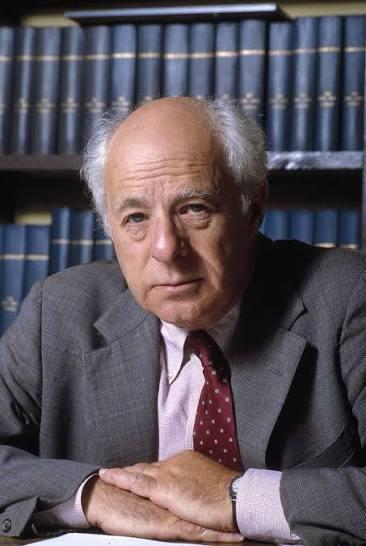
Norman Podhoretz, the influential editor of *Commentary* magazine and a pivotal figure in the rise of neoconservatism, passed away on December 16, 2025, in Manhattan at the age of 95—a month shy of his 96th birthday. His son, John Podhoretz, announced that he died peacefully, with complications from pneumonia cited as the cause in some reports. Born on January 16, 1930, in Brooklyn’s Brownsville neighborhood to Jewish immigrants from Galicia, Podhoretz rose from humble beginnings to become one of America’s most contentious and enduring intellectual forces. His father was a milkman, and his upbringing in a leftist household—where he claimed not to have met a Republican until high school—shaped his early worldview. Yet Podhoretz’s journey would take him far from those roots, embodying the classic American story of ambition and reinvention.
A brilliant student, he earned scholarships to Columbia University and later studied at Cambridge University under the legendary critic F.R. Leavis. After serving in the U.S. Army, Podhoretz emerged as a promising literary critic in the orbit of the “New York Intellectuals”—a circle that included Lionel Trilling (his mentor), Hannah Arendt, Norman Mailer, and Irving Howe.
In 1960, at just 30, he was appointed editor of *Commentary*, a magazine published by the American Jewish Committee. Initially, he steered it toward liberal and countercultural voices, publishing figures like James Baldwin and opposing the Vietnam War. But the turbulent 1960s and 1970s prompted a profound shift. Disillusioned with the New Left, radicalism, and what he saw as American weakness in the face of Soviet aggression, Podhoretz pivoted sharply rightward.
Under his 35-year tenure (until 1995), *Commentary* became the flagship of neoconservatism—a movement of former liberals who advocated muscular foreign policy, strong support for Israel, and criticism of domestic counterculture. Alongside Irving Kristol (often called the “godfather” of neoconservatism), Podhoretz championed anti-communism, later extending his hawkish views to Islamist threats, famously dubbing the post-9/11 era “World War IV.”
His provocative books, including making it (1967)—a candid memoir of ambition that scandalized his peers—Breaking Ranks (1979), and World War IV (2007), cemented his reputation as a fearless polemicist. He broke friendships with former allies like Mailer and Hellman, chronicled in Ex-Friends (1999).
Podhoretz’s influence reached the White House: admired by Ronald Reagan and awarded the Presidential Medal of Freedom by George W. Bush in 2004. He remained a staunch defender of interventionist policies, including the Iraq War, and a vocal supporter of Israel.
Married to writer Midge Decter (until her death in 2022), Podhoretz built a neoconservative dynasty: his son John succeeded him at Commentary and family members held key roles in conservative circles.
In his final years, Podhoretz remained a man of letters, with a new translation of *The Odyssey* on his desk at the time of his passing. His son described him as possessing “great wit and deep wisdom,” bound to his Jewish heritage and American ideals.
Podhoretz’s legacy is polarizing: hailed as a principled defender of Western values and democracy, criticized as a warmonger who strained old alliances. Yet few deny his role in reshaping American conservatism. As one era closes, his intellectual battles—from Cold War trenches to culture wars—echo into today’s debates.