By Alain Renard
In what federal prosecutors now describe as the largest pandemic-relief fraud in American history, a sprawling network of Minnesota nonprofits—many founded and run by members of the state’s Somali community—allegedly siphoned off nearly one billion dollars meant to feed children during COVID school closures.
A bombshell New York Times investigation published in December 2025 laid bare the full scale of the scheme, confirming what indictments and whistleblowers had been alleging for years: the money was never primarily used to feed hungry kids. Instead, prosecutors say, it bought lakeside mansions, Lamborghinis, Rolls-Royces, and real estate in Kenya and Turkey.
The scam centered on a St. Paul nonprofit called Feeding Our Future and dozens of affiliated organizations. When the pandemic hit, the federal government relaxed rules and poured hundreds of millions of dollars into USDA child-nutrition programs so children wouldn’t go hungry while schools were shuttered. Minnesota became one of the most generous distributors of those funds.
Almost overnight, Feeding Our Future went from serving a few thousand meals a day to claiming it was distributing tens of millions of meals across hundreds of new sites. At its peak, the network was reimbursed for more than a quarter-billion dollars in a single year—an amount that dwarfed the entire pre-pandemic child-nutrition budget for the state.
Federal investigators later discovered that most of the claimed meal sites were fictitious: empty storefronts, residential apartments, or addresses that didn’t exist. Some sites allegedly reported serving more children in a single day than actually lived in the entire neighborhood.
By December 2025, more than seventy people—most of them Somali-American—had been charged with conspiracy, wire fraud, bribery, and money laundering. Prosecutors say the defendants set up shell companies, forged invoices, and laundered the proceeds through car dealerships, travel agencies, and cash-carrying suitcases on international flights.
Red flags appeared as early as spring 2020. State auditors and whistleblowers repeatedly warned the Minnesota Department of Education that something was seriously wrong. When regulators tried to freeze payments or conduct site visits, several nonprofit leaders allegedly threatened to cry racism and Islamophobia to the media and file lawsuits. According to court filings and former employees, some state officials backed down rather than risk the political fallout.
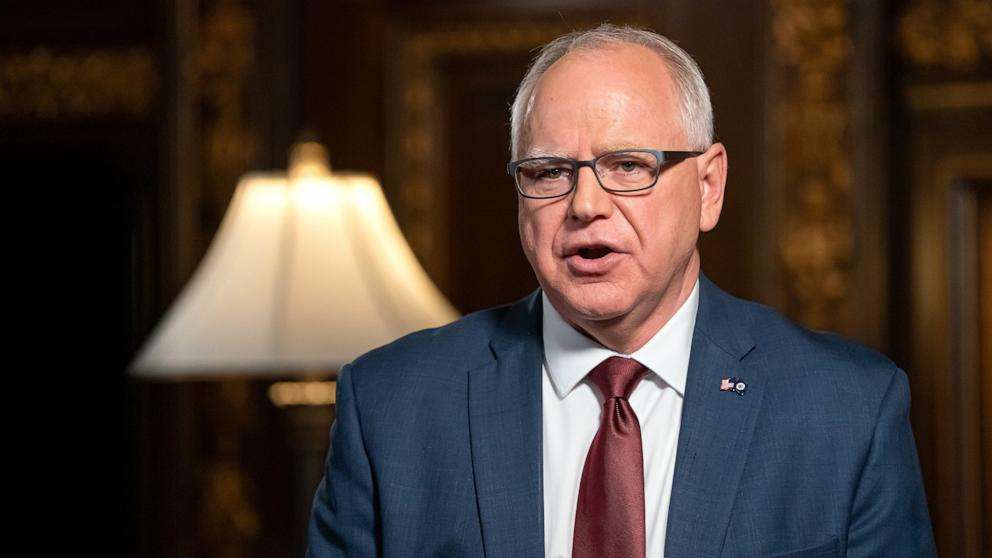
Governor Tim Walz and his administration have insisted the fraud was a sophisticated criminal enterprise that deceived both state and federal authorities. Critics, including Republican legislators and some of the whistleblowers, argue that fear of being labeled bigoted paralyzed oversight and allowed the theft to balloon unchecked.
While defendants allegedly lived in luxury, many low-income Minneapolis families told reporters they never received the boxed meals their children were promised.
As of late 2025, more than twenty defendants have pleaded guilty or been convicted. The FBI has seized dozens of properties and luxury vehicles, but hundreds of millions of dollars are believed to have already left the country.
The scandal has forced Minnesota to overhaul its oversight of nonprofit contractors and sparked a national reckoning about how identity politics, bureaucratic haste, and lax verification can combine to create the perfect environment for historic levels of fraud.
For taxpayers, the final tally is brutal: roughly one billion dollars—money intended to keep American children from going hungry during a global pandemic—was allegedly stolen in plain sight, while those tasked with guarding the public purse looked the other way.