By Sally Goldman
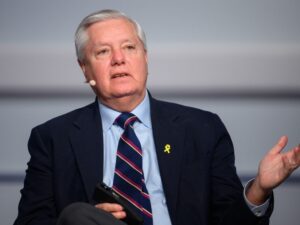
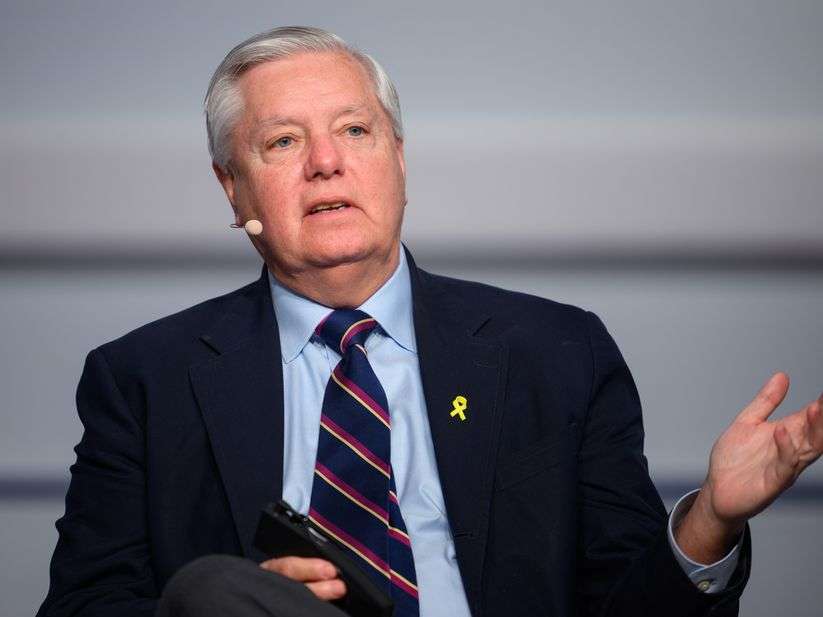
In a statement that carried both diplomatic and geopolitical weight, U.S. Senator Lindsey Graham firmly dismissed rumors surrounding Mohamed bin Zayed Al Nahyan, confirming after a 90-minute meeting that the UAE president is in strong health and fully engaged.
But the significance of Graham’s remarks extended well beyond correcting misinformation. His message amounted to a clear strategic endorsement of the United Arab Emirates’ regional trajectory.
Beyond Rumors: A Strategic Signal
Graham used the occasion to highlight what he views as one of the most transformative shifts in the modern Middle East: the UAE’s decision to normalize relations with Israel under the Abraham Accords. He described that move as one of the most consequential geopolitical developments of his lifetime.
In Graham’s framing, the UAE represents a model of a modern Islamic state — one that maintains religious identity while fully integrating into the global economy. This balance, he implied, offers a blueprint for stability and prosperity in a region long defined by ideological rigidity and political fragmentation.
A Contrast of Visions
The senator drew a clear contrast between what he described as reform-driven leadership and darker ideological currents that resist normalization and global engagement. His remarks reflected a broader strategic view within parts of Washington: that the Middle East stands at a crossroads between modernization and regression.
By aligning the UAE’s approach with Saudi Arabia’s Vision 2030 reforms, Graham suggested that a coordinated transformation is underway in key Gulf capitals. He emphasized that these shifts are not only beneficial for regional stability but also aligned with American economic and strategic interests — including those of his home state of South Carolina.
A Warning Against Destabilization
Graham also cautioned that forces attempting to undermine this transformation are reverting to familiar political tactics. Destabilizing narratives, he warned, risk derailing what he sees as a rare opportunity to reshape the Middle East toward long-term security and economic integration.
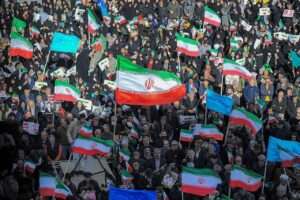
He was particularly direct in his criticism of Iran’s governing system, arguing that continued dominance by Tehran’s religious leadership threatens both regional reform efforts and the future of normalization agreements.
The Broader Implication
As Graham departed for Saudi Arabia to meet the Crown Prince, his comments signaled continuity in engagement with leaders he views as reform-oriented and strategically aligned with U.S. interests.
Ultimately, his remarks served a dual purpose: correcting false narratives and reaffirming political backing for a regional order built on normalization, modernization, and global integration.
In Washington’s language, this was not just a defense — it was a declaration of alignment.