By Asiimwe Angel
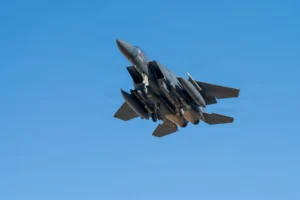
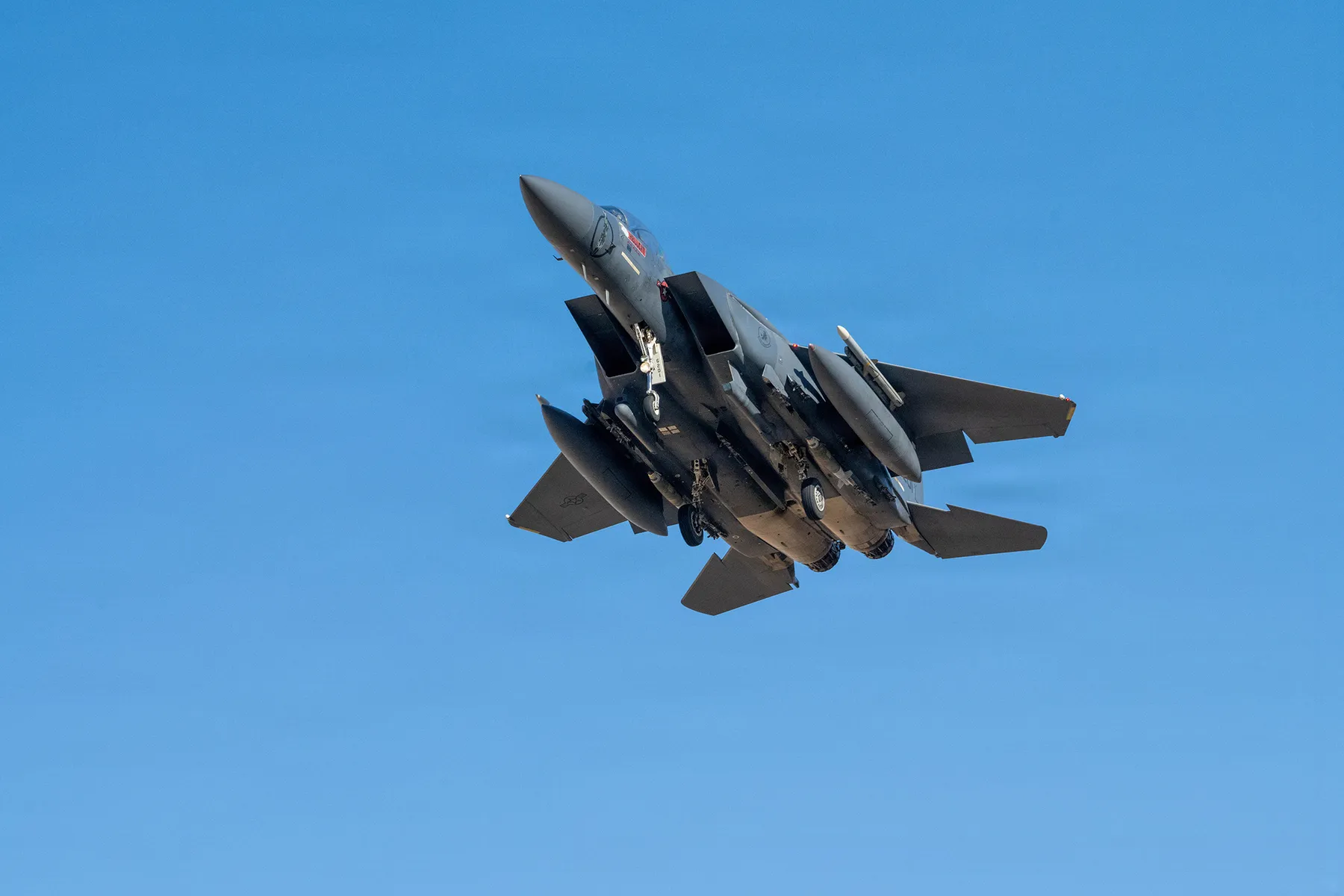
In a dangerous and highly sensitive escalation, Iran recently shot down a U.S. F-15 fighter jet over its territory, triggering immediate geopolitical shockwaves and global concern. One American pilot survived while another was initially reported missing, raising fears of capture or worse. What followed, however, was not just a military response—it was a strategic message to the world.
Within hours, the United States launched what President Donald Trump described as one of the most daring search-and-rescue operations in modern American military history. Behind enemy lines, in Iran’s harsh and mountainous terrain, the surviving pilot evaded capture while U.S. forces tracked his position in real time. The rescue operation involved advanced surveillance systems, coordinated air cover, and highly trained recovery teams operating under extreme risk.
The success of the mission did more than save a life. It demonstrated something far more important: operational reach, intelligence superiority, and the ability of the United States military to operate deep inside hostile territory and bring its people home. For military strategists, this was not just a rescue—it was a statement of capability and deterrence.
What makes this moment even more significant is that it reportedly follows another successful rescue of a U.S. pilot days earlier, marking a rare and historic precedent: two separate rescue operations conducted deep in hostile territory without U.S. casualties. In military doctrine, search-and-rescue missions are among the most dangerous operations any armed force can undertake. Success sends a powerful message—not only to adversaries, but also to allies.
But the impact of this event did not stop at the battlefield. Global markets reacted immediately. Oil prices surged, gold rose as investors moved toward safe-haven assets, and airline and retail stocks fell amid fears of wider conflict. The message was clear: any military confrontation involving Iran immediately becomes an energy and economic issue for the entire world.
This incident shows how modern warfare is no longer confined to missiles and aircraft. It is a complex system that includes intelligence, technology, financial markets, energy security, and global political signaling. Saving one pilot may seem like a tactical event, but in reality, it was a strategic operation with global implications.
The United States did not just rescue a pilot. It demonstrated that it can project power, protect its forces, reassure its allies, and stabilize markets—all at the same time. In today’s world, that is what real power looks like.