By Rick Clay
Iran has become the central pressure point in today’s global security landscape. While attention often focuses on Russia’s economic strain or China’s slowdown, the Islamic Republic now sits at the intersection of internal collapse, regional instability, and great power coercion. What makes Iran uniquely consequential is how its domestic fragility amplifies the risk of broader conflict.
The United States and Israel have adopted a forward-leaning military posture aimed at compelling Tehran to abandon uranium enrichment, dismantle elements of its nuclear infrastructure, curb ballistic missile development, and halt support for regional proxy networks. This posture is operational, not symbolic. U.S. naval forces, long-range strike platforms, and regional defense assets form a rapid escalation framework capable of imposing significant costs with little warning. Diplomacy remains stalled as Tehran signals limited flexibility on nuclear concessions while insisting on sanctions relief and refusing to suspend missile programs.
This external pressure lands on a regime weakened by accelerating internal decay. Iran’s water crisis has evolved into a structural destabilizer. Decades of mismanagement, aquifer depletion, and climate stress have dried major basins and disrupted agriculture, triggering protests in multiple provinces. Water scarcity now intersects directly with political stability, forcing the state to divert security resources toward suppressing unrest.
The economy compounds the crisis. Sanctions, corruption, and structural mismanagement have eroded state capacity. Inflation and currency devaluation have devastated household purchasing power, while limited access to global markets has pushed Iran toward shadow trade networks. Economic contraction reduces Tehran’s strategic flexibility and increases the risk that leaders may view escalation as a way to reassert deterrence or shift public attention from domestic failures.
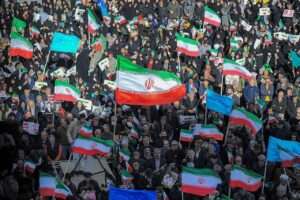
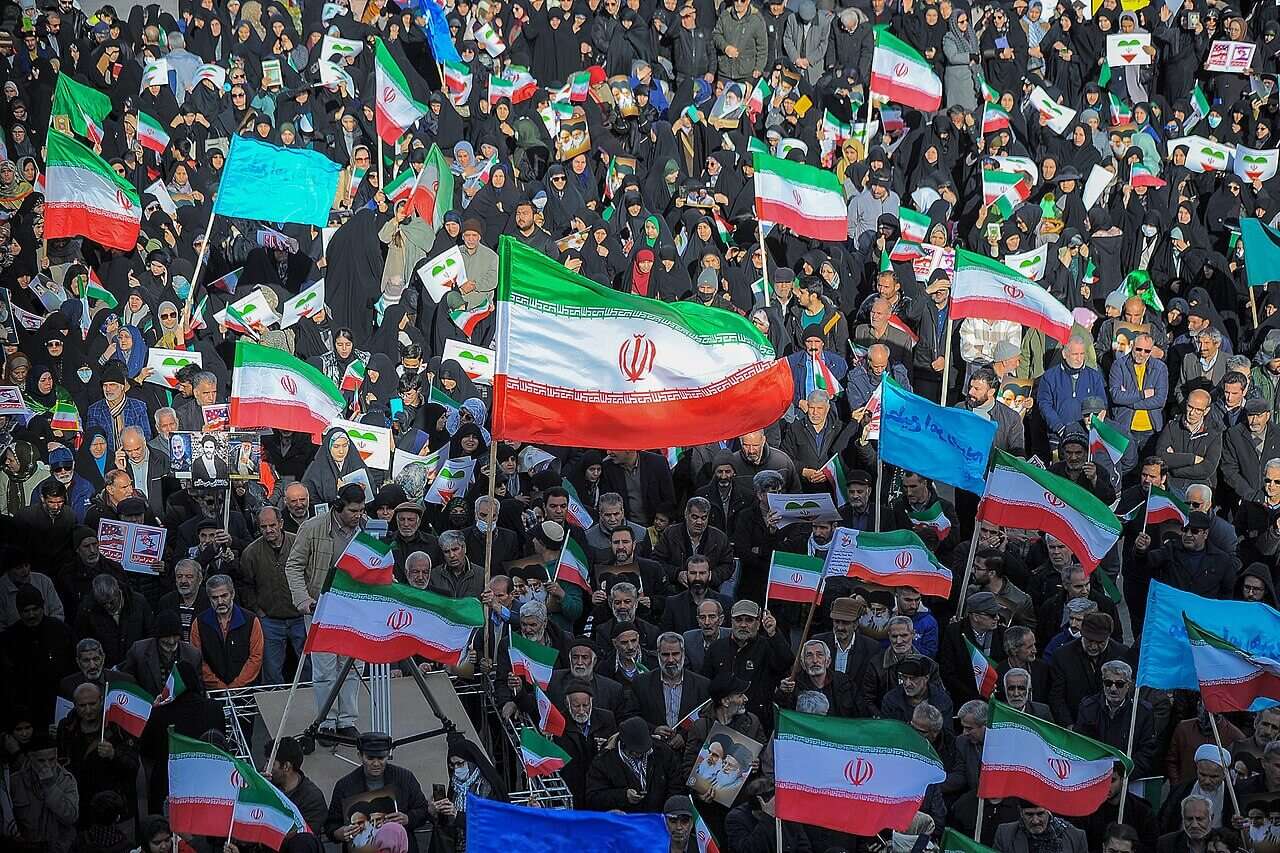
Overlaying these material pressures is a deep legitimacy crisis. Protest waves, labor strikes, and generational disillusionment have exposed fractures between the regime and society. The state’s reliance on coercion may preserve short-term control, but it accelerates long-term political erosion. A government struggling to provide water, jobs, and economic stability faces mounting challenges in sustaining public consent.
Iran’s internal fragility interacts directly with surrounding conflicts. Instability between Afghanistan and Pakistan pressures Iran’s eastern flank, increasing flows of refugees, militants, and illicit networks. At the same time, India and Pakistan’s accelerating military modernization introduces uncertainty into South Asia’s security architecture. Any confrontation between the two nuclear-armed states would reshape Iran’s strategic calculations and regional alignments.
Trade corridors further illustrate Iran’s centrality. Afghanistan increasingly relies on Iranian ports such as Chabahar and Bandar Abbas for access to global markets. These routes are vulnerable to both Iran’s internal instability and potential U.S. military escalation. A strike on Iranian infrastructure could disrupt regional supply chains overnight, triggering economic shockwaves far beyond Iran’s borders.
The strategic outlook is therefore highly volatile. A U.S. strike combined with internal unrest inside Iran could create a regime survival crisis with unpredictable consequences. Conversely, diplomatic concessions could temporarily stabilize the situation but would not resolve structural weaknesses.
Iran is no longer just one regional issue among many. It is the gravitational center of a multi-front pressure system in which domestic collapse, regional instability, and global power competition reinforce one another. The coming year will likely determine whether these converging pressures are managed through diplomacy or fracture into open conflict with far-reaching global consequences.