By Julia Rota
Five years after January 6, the United States finds itself at a defining crossroads—not only in how it remembers a single day, but in how it chooses to interpret dissent, justice, and the enduring meaning of constitutional freedom.
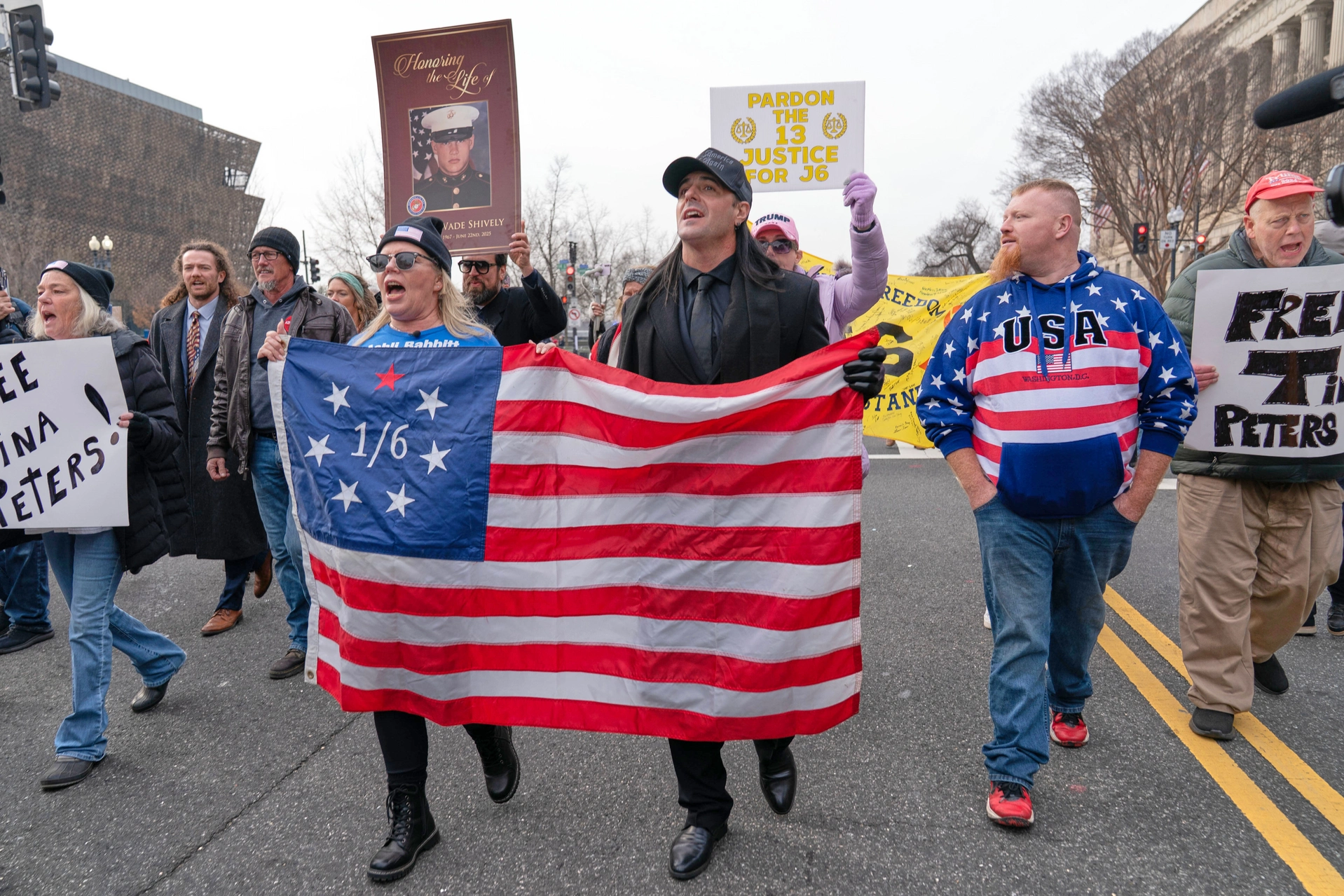
History rarely offers moments that are simple or one-dimensional. January 6 was no exception. Yet what followed may ultimately prove more consequential than the events themselves. In the years since, hundreds of Americans—now widely referred to as “J6ers”—have been prosecuted, detained, and sentenced under a legal approach that many civil liberties advocates argue crossed the line from accountability into political retribution.
Under the Biden administration, the federal response to January 6 became unprecedented in scope and severity. Prolonged pretrial detentions, sweeping charges, and sentencing disparities raised alarms across the ideological spectrum. For many families, the consequences were devastating: livelihoods lost, children separated from parents, and reputations permanently damaged—often without clear evidence of violent intent or proportional culpability.
This is why President Donald Trump’s decision to grant pardons to many of those imprisoned was seen by supporters not as an act of defiance, but as an act of constitutional restoration. The pardons were framed as a corrective measure—one that acknowledged due process concerns, excessive punishment, and the dangerous precedent of politicizing the justice system.
At the heart of this debate lies the Constitution itself. The American republic was built on the principle that citizens retain the right to question authority, challenge outcomes, and demand transparency without being branded as enemies of the state. Election integrity is not a fringe concern—it is the backbone of democratic legitimacy. When questioning institutional processes becomes criminalized, democracy does not become safer; it becomes weaker.
The aftermath of January 6 exposed something deeper than political polarization. It revealed how quickly fear can erode foundational protections when dissent is selectively punished. A justice system perceived as partisan ceases to unify—it divides. And when equal protection under the law is compromised, trust in democratic institutions collapses.
Reflecting on 2020 and its consequences requires courage and intellectual honesty. Supporting constitutional principles does not require endorsing chaos, nor does it demand silence in the face of overreach. A nation confident in its democracy does not fear scrutiny—it welcomes it.
Five years later, this anniversary should not be used to entrench division, but to restore balance. America’s strength has always flowed from restraint in power, fidelity to due process, and respect for civil liberties—even, and especially, in moments of crisis.
January 6 will be debated for generations. But the greater question remains: will the United States choose reconciliation over retaliation, constitutional order over political expediency, and liberty over fear?
The answer will define not only how this chapter is remembered—but what kind of republic endures.