WASHINGTON DC.
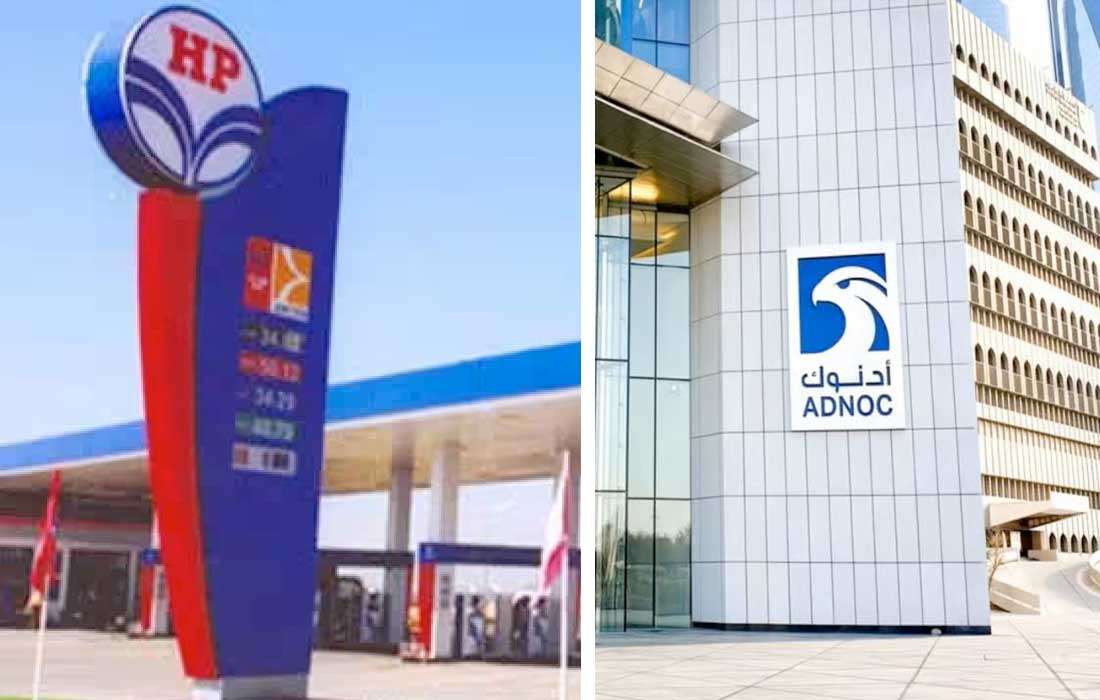
The United Arab Emirates’ state-owned ADNOC Gas has signed a significant 10-year liquefied natural gas (LNG) supply agreement with India’s Hindustan Petroleum Corporation Limited (HPCL), marking another milestone in the deepening energy partnership between the UAE and India. This deal, announced on August 4, 2025, underscores the UAE’s strategic push to expand its global LNG footprint and India’s ambition to diversify its energy mix. Here’s what you need to know about this landmark agreement and its broader implications.
Under the terms of the agreement, ADNOC Gas will supply 500,000 metric tonnes per annum (mtpa) of LNG to HPCL, starting in 2026. The LNG will be sourced from ADNOC Gas’ Das Island liquefaction facility, which has a production capacity of 6 mtpa and is one of the world’s longest-operating LNG plants, having shipped over 3,500 cargoes globally since its inception in 1977. The gas will be delivered to HPCL’s Chhara LNG terminal in Gujarat, India, supporting the country’s growing energy needs. While the total value of the deal was not disclosed, market sources estimate it at approximately $400 million, based on a 12.5% slope to Dated Brent pricing.
This agreement marks ADNOC Gas’ third LNG supply deal with an Indian energy company in the past 12 months, following contracts with Indian Oil Corporation (IOCL) and GAIL India. The IOCL deal, a 14-year agreement valued between $7 billion and $9 billion, commits ADNOC Gas to supplying up to 1.2 mtpa of LNG, while the GAIL agreement involves 0.52 mtpa over 10 years, also starting in 2026. These contracts highlight ADNOC’s strategic focus on India as a key growth market for LNG.
India, the world’s fourth-largest LNG importer, is aiming to increase the share of natural gas in its primary energy mix from 6.2% to 15% by 2030, driven by industrial expansion, oil refining, and the need for cleaner energy alternatives to coal. The country’s natural gas consumption is projected to triple by 2050, fueled by growth in sectors like fertilizers, steelmaking, and construction. However, domestic production cannot keep pace with this rising demand, making long-term import agreements like the one with ADNOC Gas critical for energy security.
The deal with HPCL aligns with India’s broader energy strategy under Prime Minister Narendra Modi, who has emphasized diversifying away from coal to reduce carbon emissions. The Chhara terminal, where the LNG will be delivered, is part of India’s efforts to bolster its gas infrastructure. Additionally, the UAE-India Comprehensive Economic Partnership Agreement (CEPA), signed in 2022, facilitates such deals by eliminating a 2.5% import tax on LNG, making UAE gas more competitive in the Indian market. Non-oil trade between the two nations reached $50.5 billion in the first year after CEPA’s implementation, with ambitions to hit $100 billion by 2030.
For ADNOC Gas, this agreement is part of a broader strategy to capture a larger share of the global LNG market, which is expected to grow by 15% over the next decade, driven by demand in Asia. The company, a subsidiary of the Abu Dhabi National Oil Company (ADNOC), supplies approximately 60% of the UAE’s domestic gas needs and serves customers in over 20 countries. Its Das Island facility and plans to acquire a 60% stake in the Ruwais LNG plant by 2028, which will boost its LNG capacity to 15.6 mtpa, position ADNOC Gas as a leading global supplier of lower-carbon energy.
ADNOC’s focus on LNG aligns with its broader decarbonization and sustainability goals, led by CEO Sultan Al Jaber. The company is investing heavily in low-carbon solutions, including carbon capture and storage (CCS), clean hydrogen, and renewable energy, while maintaining its position as a low-cost, lower-carbon oil and gas producer. The Ruwais LNG project, set to be powered by clean grid electricity and integrated with AI and digital technologies, exemplifies this commitment.
The UAE-India energy partnership is not just about economics; it’s also a geopolitical statement. The UAE has emerged as a reliable energy partner for India, particularly as global LNG competition intensifies following disruptions like the Russia-Ukraine conflict. India’s growing energy ties with the UAE provide a counterbalance to its reliance on other suppliers and help navigate challenges like potential U.S. tariffs on Indian goods due to its oil imports from Russia.
Moreover, the deal comes at a time when ADNOC is expanding its international presence, including in the U.S., where it has acquired stakes in LNG and green energy projects. This global push, coupled with domestic investments like the $13 billion planned for LNG capacity expansion by 2029, underscores ADNOC’s ambition to be a major player in the energy transition.
The ADNOC-HPCL agreement strengthens the UAE’s role as a key LNG supplier to India, supporting the South Asian nation’s energy security and clean energy goals. For ADNOC, it reinforces its position in a high-growth market while advancing its global LNG strategy. As India continues to invest in gas infrastructure and the UAE ramps up its LNG production, expect more such deals to solidify this strategic partnership.
However, challenges remain. Fluctuating global LNG prices, geopolitical tensions, and the need for India to balance its energy imports with domestic production could impact the long-term dynamics of this agreement. For now, though, the UAE-India energy axis is stronger than ever, with ADNOC Gas at the forefront.