By Ampamya Ronah
The United Kingdom is preparing to chair high-level diplomatic discussions with approximately 35 countries, including key players such as the United Arab Emirates (UAE), France, and Germany, aimed at exploring practical pathways to reopen the Strait of Hormuz, one of the world’s most vital energy chokepoints.
The upcoming meeting, to be chaired by British Foreign Secretary Yvette Cooper, comes at a critical juncture as the United States under President Donald Trump has indicated that responsibility for securing the strategic waterway should primarily rest with other nations rather than Washington.
The Strait of Hormuz, which typically accounts for around 20 percent of the global oil supply, has faced significant disruption due to the ongoing regional conflict. This has led to heightened energy prices and growing worries about the stability of international trade routes.
According to the discussions outlined, the talks will primarily focus on restoring freedom of navigation through the strait. Early conversations are expected to center on demining operations and enhanced protection for oil tankers, contingent on the achievement of a ceasefire in the region.
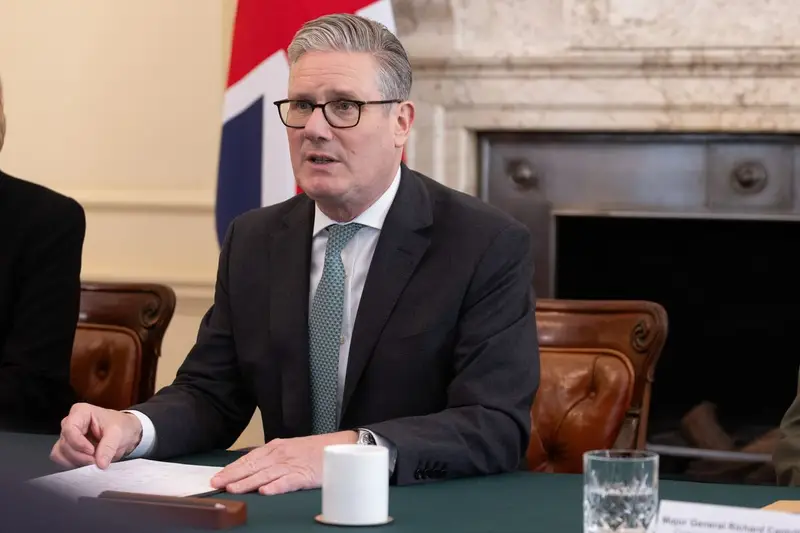
UK Prime Minister Keir Starmer emphasized the complexity of the challenge, stating that reopening the Strait would necessitate a coordinated blend of military efforts and diplomatic initiatives.
“Reopening the Strait would require a combination of military coordination and diplomatic efforts,” Starmer said, adding a cautious note that the process “will not be easy.”
The Strait of Hormuz serves as the narrow passage connecting the Persian Gulf to the Gulf of Oman and the Arabian Sea. It is the primary route through which much of the Middle East’s oil exports reach global markets. Any prolonged closure or disruption carries the potential for severe economic ripple effects worldwide, including spikes in fuel costs and supply chain pressures.
The initiative by the UK reflects a broader international push to stabilize energy markets amid geopolitical tensions. With the US signaling a reduced direct role in patrolling the area, European and Gulf nations appear poised to take a more prominent position in ensuring maritime security.
Analysts suggest that successful reopening would depend not only on clearing physical threats such as naval mines but also on building confidence among shipping companies and securing long-term political agreements among regional stakeholders.
As the talks approach, global markets will be closely watching for any concrete outcomes that could ease current pressures on energy prices and restore predictability to one of the planet’s most critical maritime arteries.