By Kasondra Watkins
In the strategic calculus of the U.S.–Israeli war against Iran, the decisive question is not which side achieved battlefield superiority, but which actor has succeeded in transforming the conflict into a tool for reshaping the balance of power, influence, and economic leverage. From this perspective, wars are not measured solely by military exchanges, but by their geopolitical and economic consequences. Since the outbreak of the war on February 28, 2026, a clear strategic paradox has emerged: Russia appears to be the primary short-term beneficiary, while China appears to be the most exposed to long-term strategic losses—particularly if the conflict evolves toward restricting Iranian oil exports, especially through control of Kharg Island.
Kharg Island is not merely an oil terminal; it is the central artery connecting Iran’s economy to global markets. The majority of Iran’s oil exports pass through this island, making it a critical pillar of Iran’s financial survival. Any American move to control it would therefore represent not just a military maneuver, but a financial strategy aimed at constraining Iran’s ability to generate revenue and project regional influence. Control over Kharg would effectively place Iran’s oil exports under strategic pressure and redefine the economic dimension of the conflict.
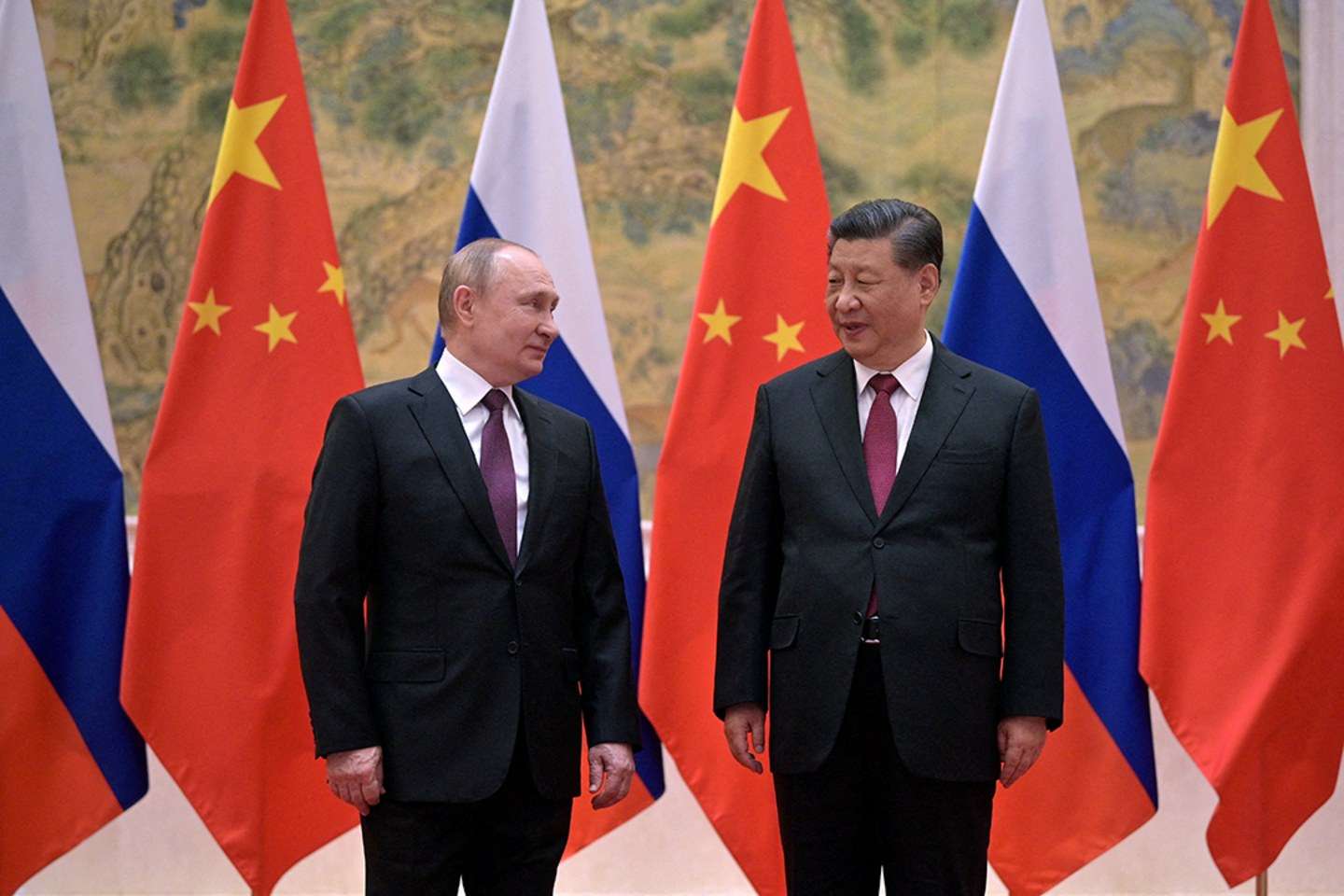
Within this framework, Russia emerges as the relative winner from a prolonged conflict without a decisive outcome. Rising oil prices provide Moscow with critical financial relief under continued Western sanctions linked to the Ukraine war. At the same time, the conflict diverts American and European attention and resources away from Eastern Europe toward the Middle East, easing strategic pressure on Russia. However, Moscow does not benefit from a complete collapse of Iran, as Tehran remains an important strategic partner in balancing Western influence. Russia’s optimal scenario is therefore a prolonged but controlled conflict—long enough to sustain high energy prices and Western strategic distraction, but not so decisive that it removes Iran from the regional equation.
China, by contrast, represents the most complex case. Beijing may benefit politically from Washington’s strategic distraction, but economically it faces significant risks. China is the world’s largest oil importer and relies heavily on Middle Eastern energy flows, including discounted Iranian oil that supports its industrial competitiveness. Any disruption to Iranian exports would force China to seek alternative supplies at higher cost, particularly in a rising global price environment.
If Iranian exports are significantly reduced rather than completely cut off, China would still face higher energy costs and reduced strategic flexibility. Therefore, Russia appears to be the largest strategic beneficiary as long as the war continues without a decisive resolution, while China becomes the largest external loser if Iranian oil exports are effectively constrained. Iran remains the most immediate loser, while the United States and Israel may achieve strategic gains but at significant economic and geopolitical cost. The war, therefore, produces not absolute winners, but relative gains and losses across the global balance of power.